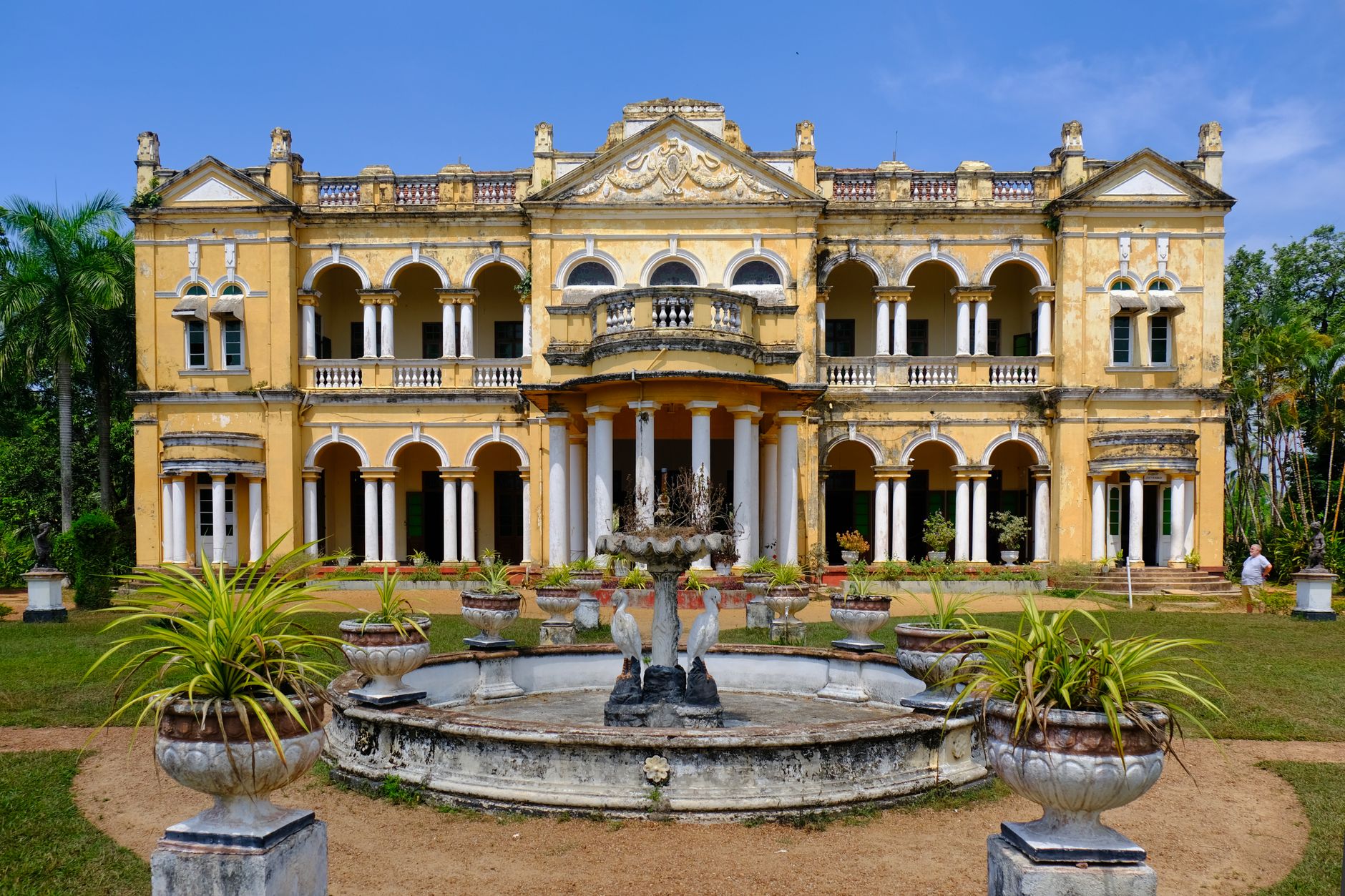
What is Manuel Manor?
Manuel Manor is a privately owned historic estate and functioning plantation located in Sri Lanka's central highlands. Built in the 18th century, it remains one of the country's finest examples of colonial domestic architecture. The estate sprawls across several acres of cultivated gardens growing spices—cinnamon, clove, pepper, and nutmeg—alongside remnants of original forest. Unlike theme parks or heavily restored heritage sites, Manuel Manor functions as a working property where the owners live and farm, lending it an authentic, lived-in character rather than museum sterility.
Where is Manuel Manor and how do I get there?
Manuel Manor sits in the highlands near Kandy, accessible via the Peradeniya road. The nearest town is Kandy, approximately 30 minutes' drive away. If travelling from Ella or the southern highlands, allow 3–4 hours by road. Most visitors arrange transport through their accommodation or hire a private driver; public transport reaches nearby villages but the estate itself requires private access. The driveway winds through tea and spice gardens before arriving at the main house, set on a hillside with views across the surrounding plantation landscape.
What will you see at Manuel Manor?
The manor house itself preserves period features: wooden shutters, timber flooring, high ceilings designed for tropical ventilation, and furniture spanning centuries. Guided tours move through sitting rooms, bedrooms, and a library where original books and maps remain. The architecture reflects Portuguese, Dutch, and British colonial influences layered across the building's long history.
Related: Panchakarma Kur in Sri Lanka: Authentic Ayurvedic Detox Guide
Related: Doubletree by Hilton Weerawila Rajawarna Resort: Location, Amenities & Wildlife Access
Related: Hotels in Hikkaduwa, Sri Lanka: Where to Stay in This Beach Town
The gardens and grounds are the estate's living exhibit. Spice plants grow in organized plots—you'll handle cinnamon bark, see clove buds on their parent trees, and observe nutmeg in fruit. A guide typically explains cultivation methods, harvesting cycles, and the historical importance of these crops during the spice trade era. Unlike botanical gardens with manicured beds, this is a working agricultural space where seasonal variation is visible.
Agricultural infrastructure including old drying racks and processing areas hints at 19th-century plantation operations, though most processing now happens off-site.
How much time should you spend there?
A typical visit runs 2–3 hours. Allow 45 minutes for a guided house tour, 1–1.5 hours walking the gardens and plantation areas, and time for tea or refreshment if offered. Solo exploration isn't usually permitted; all visits are guide-led, which protects the property and ensures you understand the historical and agricultural context.
When should you visit Manuel Manor?
Manuel Manor is open year-round, but the highland climate shapes your experience:
Best months: December to March and August. Weather is drier, visibility is clear, and you'll move comfortably through gardens without heavy rainfall. The landscape is lush but not waterlogged.
Avoid: May–July and September–October. The southwest monsoon brings persistent rain, muddy paths become slippery, and cloud cover obscures the surrounding hills. However, the garden is intensely green and fewer tourists arrive—a trade-off to consider if you dislike crowds.
April and November are transitional months with variable weather. Morning visits often succeed before afternoon rain.
Admission and practicalities
Manuel Manor is a private property operating as a heritage attraction. Entry requires advance arrangement; walk-in visits are not guaranteed. Contact details and booking procedures typically go through your hotel or a tour operator in Kandy. Check opening hours before visiting, as family obligations occasionally close the property to guests.
Wear sturdy walking shoes with grip—garden paths become slippery after rain, and you'll be standing on earth and stone, not paved surfaces. Bring a light rain jacket even in drier months; afternoon showers pass quickly in the highlands. The estate sits at elevation; if you're unaccustomed to altitude, move at a relaxed pace.
How Manuel Manor compares to other heritage sites
Unlike the carefully restored temples at Kandy's Temple of the Tooth or the excavated ruins at Polonnaruwa, Manuel Manor is neither monument nor museum. It occupies a singular position: a functioning private home where you're a guest rather than a visitor in a public institution. This gives it an intimacy absent from bigger attractions. The spice-growing focus also distinguishes it from purely architectural heritage sites—you learn about economic history and agricultural practice alongside period aesthetics.
For those interested in the broader colonial story, combining Manuel Manor with a tea plantation visit in Ella or Kandy's British-era buildings (like the Queen's Hotel) creates a more complete picture of highland estate culture.
What to expect in terms of crowds and atmosphere
Manuel Manor attracts fewer visitors than major temples or national parks, partly because it requires advance booking and partly because it appeals to a specific interest (history, botany, colonial architecture). This means you'll have a quieter, more focused experience. Guides speak English and often possess detailed family or local knowledge about the property's history—conversations tend toward the conversational rather than the rushed.
The atmosphere is that of stepping into someone's historical home, not a curated tourist experience. This appeals to travellers seeking authenticity; it may disappoint those expecting a glossy presentation.
Is it accessible for visitors with mobility constraints?
The house itself has steps and uneven flooring typical of period buildings. Garden paths are earth and stone, uneven and sloped. Visitors with limited mobility should discuss accessibility before booking. The guide can sometimes shorten the tour or adjust the route, but this isn't a fully accessible venue.
FAQ
Can you buy spices grown at Manuel Manor? Some estates sell produce; check with your guide or the property when booking. If available, prices reflect artisanal, small-batch production—expect higher costs than supermarket spices, but quality and freshness typically justify it.
Is photography allowed at Manuel Manor? Generally yes, though ask your guide about any restricted areas or sensitivity around the family's private spaces. Exterior gardens and architectural features are fair game for photographs.
How long does the drive take from Kandy or Ella? From Kandy town centre: 30–45 minutes depending on traffic and exact location. From Ella: 3–3.5 hours via Kandy or the scenic route through Nuwara Eliya. From Colombo: 3.5–4 hours via the Kandy-Peradeniya road.