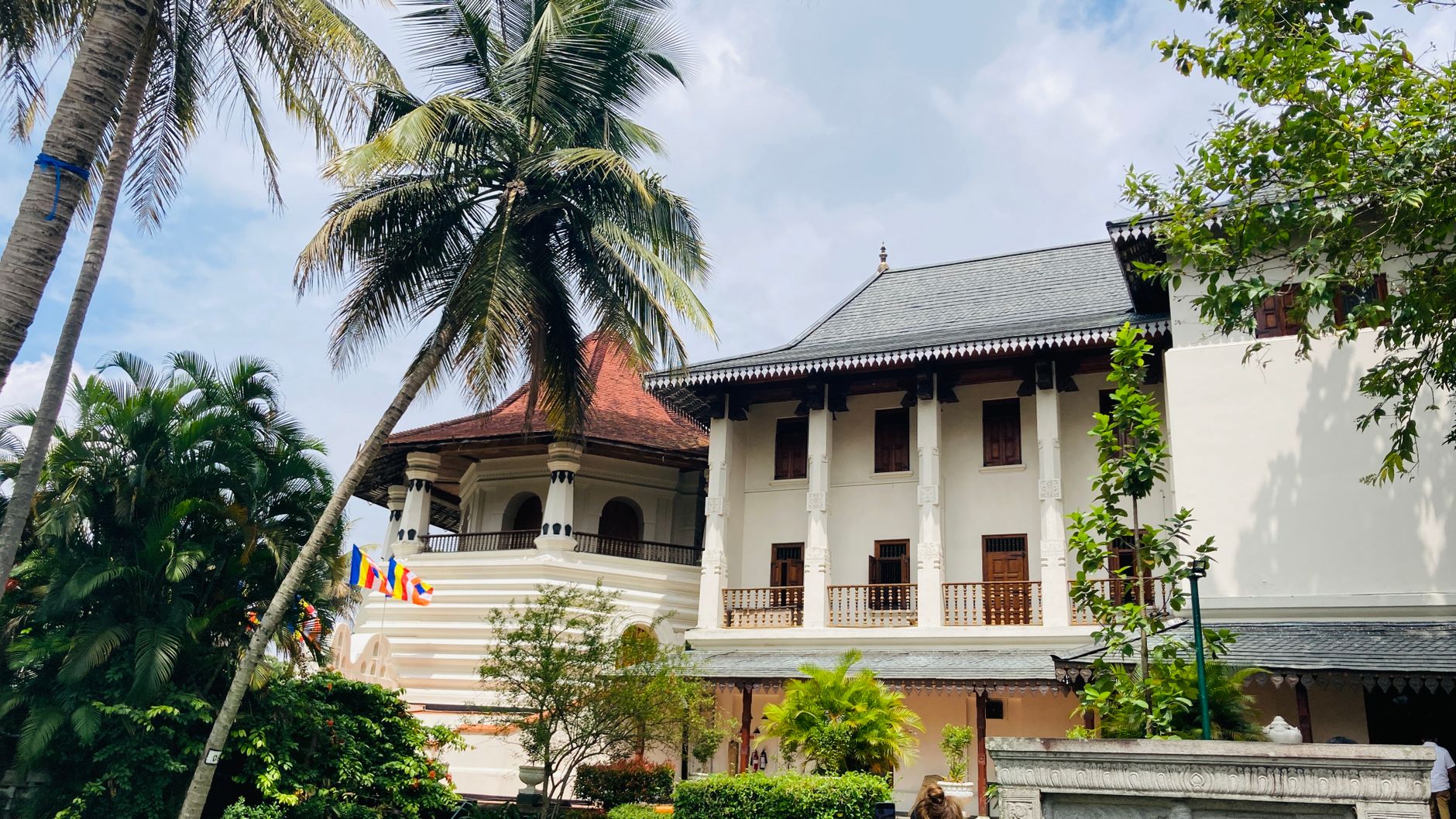
Nightlife and Evenings in Kandy
Kandy's evening energy is fundamentally different from coastal party towns—it's rooted in the city's status as a spiritual and cultural heart, where nights unfold at a measured pace around the lake, through temple grounds and into intimate restaurants tucked into hillside locations. Rather than searching for late-night clubs with pounding bass, you'll find yourself drawn to lakeside terraces where locals gather to eat hoppers and curry, cultural performances that blend music and dance into the small hours, and genuinely atmospheric bars where conversations flow as readily as the toddy. The city's nightlife is less about excess and more about atmosphere, tradition and the kind of social ease that comes from knowing a place belongs to something older and more substantial than tourism.
Where do locals actually go for evenings in Kandy?
The social heart of Kandy's evening scene is undeniably the lake itself—Kandy Lake, ringed by the Temple of the Tooth on one side and a walking path on the other, becomes a gathering place once the day's heat settles. Families, couples and groups of friends occupy the benches and grassy areas as the light softens, sometimes staying until well after dark. The atmosphere is contemplative rather than boisterous, though the lake's cultural significance means you may witness evening prayers or ceremonies happening simultaneously.
Beyond the water, the city's real evening action happens in three distinct zones: the streets radiating from the Clock Tower (Kandy's central junction), where older restaurants and modest bars cluster; the Dalada Veediya area near the Temple of the Tooth, where you'll find pilgrims alongside visitors and locals; and the hillside hotels and restaurants that offer elevated views and tend to attract a more settled, dinner-focused crowd. Many places that look closed by 9 p.m. are simply operating on a schedule that respects the city's morning-oriented culture and the fact that many businesses open by 5 a.m. for breakfast service.
Related: Best Places in Sri Lanka for Scenic Train Journeys
Related: Dambulla with Family: What Works and What to Skip
Related: Is Otherur Worth Visiting? An Honest Take
Which restaurants stay open late and serve proper Sri Lankan food?
For evening meals that capture the essence of Kandy's food culture, head to places where the kitchen is still active past 8 p.m. and the clientele is as much local as visiting. The streets near the Clock Tower hold several no-frills restaurants serving kottu roti, lamprais and devilled dishes late into the evening—these are places with plastic chairs, bright lights, and queues of taxi drivers and office workers, which is precisely where the best food tends to be.
Midrange restaurants with slightly more atmosphere include options on Lake Road and in the lanes branching off Dalada Veediya, many of which specialise in Sri Lankan rice and curry served in the traditional manner—multiple small dishes building a complete meal rather than a single plated composition. Many hotels also serve dinner à la carte or buffet into the evening, and staying at places like Cafe Aroma Inn or Ceyloni City Hotel gives you built-in access to comfortable evening dining without venturing far. The Radisson Hotel Kandy and Cinnamon Citadel Kandy tend to have more refined restaurant settings if you're seeking a quieter, more formal dinner experience.
If you're staying somewhere central like Kandy City Hotel by Earl's, you're well-positioned to walk out for evening meals rather than depending on the hotel's dining offerings.
What about cultural performances and evening shows?
Kandy is known for its traditional Kandyan dance and drumming traditions, and several venues host evening performances specifically designed for visitors. These typically run between 6 p.m. and 7:30 p.m., showing you the intricate footwork, drummming patterns and costumes that are integral to the city's heritage. Some performances include short explanations of what you're watching, while others let the movement speak. The quality varies considerably between venues, so ask your hotel for recent recommendations—the scene shifts as venues come and go or change standards.
The Temple of the Tooth itself, especially around evening prayer times, offers perhaps the most authentic cultural experience: witnessing the temple's rituals, the flow of pilgrims and the sounds of chanting create an atmosphere you cannot replicate in a performance space. Access is respectful (dress code applies: shoulders and knees covered) and the experience is entirely free, though a donation to the temple is customary.
Are there proper bars, and what's the drinking culture like?
Kandy has bars, though they tend toward the quiet and local rather than the lively and touristy. You'll find small neighbourhood establishments serving beer, arrack and Sri Lankan spirits, where the primary activity is conversation and perhaps a television screening a cricket match or news broadcast. Larger hotels operate their own bar areas—places like Earls Regency and Amaya Hills Kandy have cocktail bars with lake views and calm ambiance.
The drinking culture in Kandy is conservative compared to coastal towns; Sri Lanka has significant Buddhist and Muslim populations, and the city's spiritual character is reflected in more modest consumption. Toddy (fermented palm wine) and arrack are traditional, though widely available beer is the common choice. If you're seeking high-energy bar scenes with dancing and crowds, Kandy will disappoint; if you want to sit by the lake with a cold Lion lager and conversation, you'll find exactly that.
What should you actually plan for an evening?
A realistic Kandy evening might unfold like this: spend the late afternoon walking or sitting by the lake, perhaps visiting the Temple of the Tooth while it's still open and the light is manageable. By 6 p.m., head to dinner at a mid-range restaurant—order string hoppers, lamprais or a good fish curry, take your time. If a cultural performance interests you, attend one around 6:30 p.m., then return to your hotel or a lakeside bench to settle into the quiet darkness as the city winds down. By 10 p.m., the city is largely asleep, and that's entirely normal. If you're restless by then, you can sit in a hotel bar reading or working, but the evening's social activity will genuinely be finished.
Staying at a central hotel with restaurant facilities means you can eat whenever you arrive and aren't dependent on long walks after dark, though Kandy's main streets are well-lit and safe for evening strolls. The Queen's Hotel and Thilanka Hotel are well-positioned for accessing evening restaurants and the lake without much effort.
FAQs: Nightlife and evenings in Kandy
What time do restaurants close? Most restaurants close between 9 and 10 p.m., with some budget places staying open until 11 p.m. for late workers. Plan dinner between 6:30 and 8:30 p.m. to have good choice and lively kitchens.
Is it safe to walk around Kandy in the evening? Yes, the main streets and lakeside areas are well-lit and safe until late. Stick to main routes rather than dark side streets, and be mindful of uneven pavement. Tuk-tuks are cheap and readily available if you prefer not to walk.
Will I find nightclubs or late-night bars? Not in the traditional sense. Kandy has no clubbing scene. Small bars stay open until 10 or 11 p.m. Hotel bars are your best option if you want to stay up late; they typically operate until midnight or later.
What's the dress code for evening dining and bars? Casual is fine for restaurants. For upmarket hotel dining and bars, smart casual (trousers or dresses, no beach wear) is appropriate. For temple visits at any time, ensure shoulders and knees are covered.