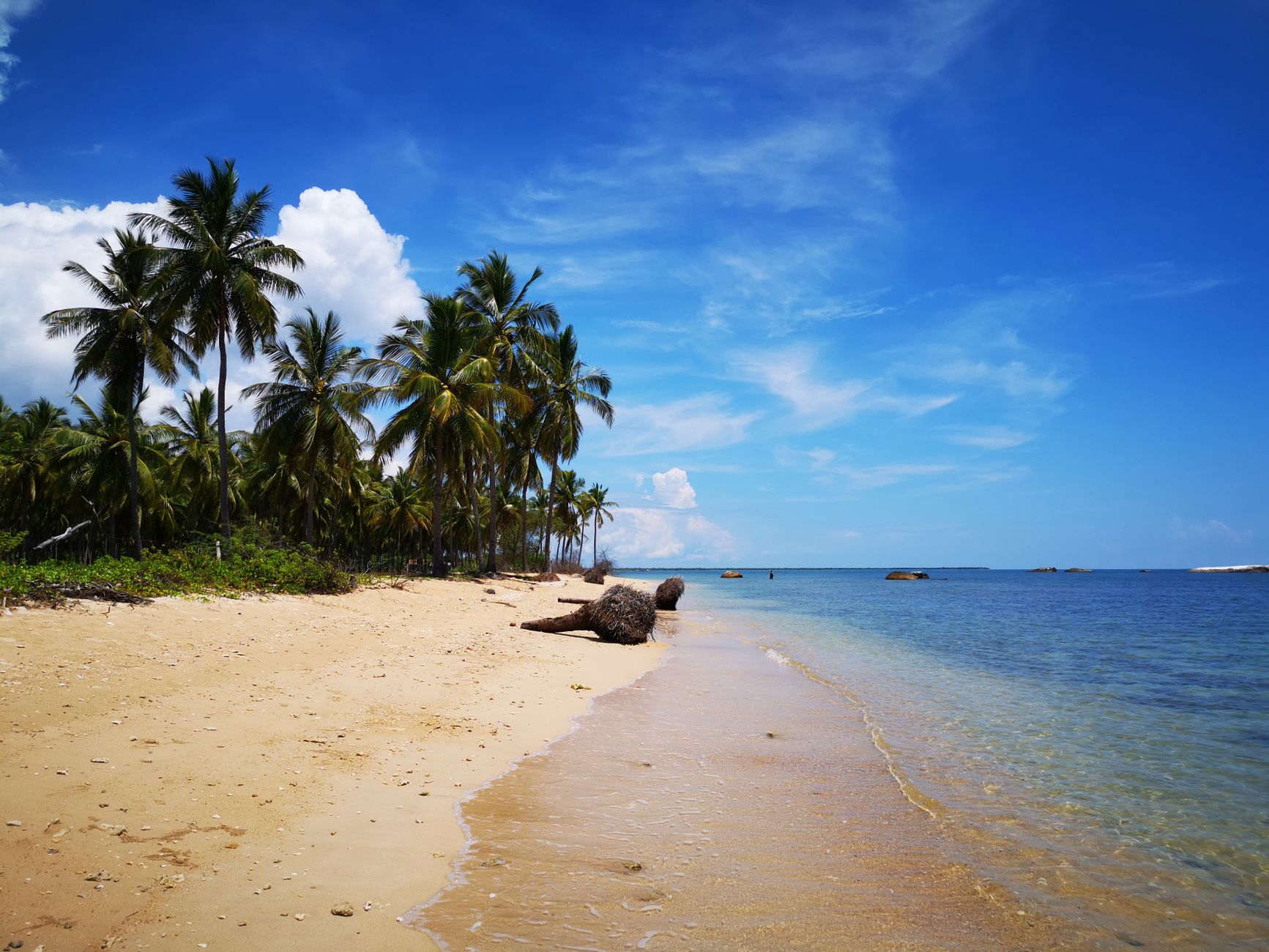
Is Pasikudah Safe for Solo Travellers?

Pasikudah is one of Sri Lanka's safer beach destinations for solo visitors. Tourist infrastructure is mature, locals are accustomed to independent travellers, and the main beach is well-monitored during daylight hours. Crime against tourists is rare. The biggest risks are petty theft, overcharging by tuk-tuks, and sun exposure. Women travel solo here regularly with sensible precautions. Eastern coastal areas see fewer tourists than the south, so expect a quieter experience than Mirissa or Unawatuna.
Beach Safety: What You Need to Know
Passikudah beach is consistently calm—the main appeal. Ocean conditions are safer than southern breaks because the lagoon is naturally protected. Lifeguards are present during peak hours (roughly 7am–5pm). Still, swim near groups and check local conditions before entering water. Undertow is rare here, but rip currents can occur after heavy rain.
Avoid the beach alone after sunset. Stick to the main beach strip where restaurants and hotels cluster. The northern and southern ends become quieter and less monitored in late afternoon. Don't leave valuables unattended; use hotel safes.
Related: Arugam Bay, Sri Lanka: Surfing, Lagoon Walks & East Coast Travel Guide
Related: Bentota with Family: What Works and What to Skip
Related: Is Negombo Worth Visiting? An Honest Take
Water safety: The lagoon temperature stays 27–29°C year-round, so hypothermia isn't a concern. Bring reef shoes—sharp coral is common. Jellyfish are occasional; ask staff before swimming.
Accommodation for Solo Travellers: Budget vs. Comfort
Pasikudah has 12 significant hotels across price brackets. Budget matters here—solo travellers often pay premium per-room rates.
Budget option (£25–40/night): Earl's Red Passikudah (3-star, 7.8/10) offers basic rooms with fan cooling and shared facilities. Clean and reliable. Amethyst Resort Passikudah (3-star, 8.5/10, 248 reviews) is similar quality but slightly better maintained.
Mid-range (£40–70/night): The Calm Resort and Spa (4-star, 8.8/10) provides good value with pool access and restaurant. Social atmosphere. Giman Free Beach Resort Passikudah (4-star, 7.2/10) is cheaper but mixed reviews suggest inconsistent service.
Comfort (£70–120/night): Sunrise Pasikuda (5-star, 9.1/10, 256 reviews) and Amaya Beach Pasikudah (5-star, 9.0/10, 787 reviews) offer all-inclusive comfort with security, restaurants, and organised activities. Solo travellers benefit from staff familiarity with independent guests.
Luxury (£120+/night): The Bay an Uga Experience (5-star, 9.4/10, 196 reviews) is the highest-rated option. Smaller, more personalised. Karpaha Sands (5-star, 9.3/10, 36 reviews) is boutique-sized.
Solo traveller advantage: Booked direct or via phone often yields single-occupancy discounts, especially at mid-range properties. Email a week ahead and mention you're travelling alone—some hotels waive the single supplement.
Transport and Getting Around
Arriving: Pasikudah is 250km east of Colombo (5–6 hours by bus or taxi). Direct buses from Colombo Fort Station cost £4–6 and depart hourly. Faster but pricier: pre-arrange a taxi via hotel (£60–80 fixed). Avoid unmarked taxis at transport hubs.
Local movement: Tuk-tuks dominate. A 2km ride into town costs £2–3 if you negotiate first or use Uber (available, £2–4 for same route). Tuk-drivers often over-quote solo travellers by 50%. Always agree price beforehand. Walk the main beach strip safely during the day; restaurants and shops are concentrated here.
Hiring a scooter: Possible (£10–15/day) but not recommended for safety-conscious solo travellers unfamiliar with Sri Lankan traffic. Roads are narrow, and accident response is slow. Buses are safer.
Daily Costs and Money
Solo traveller budget breakdown (per day):
- Accommodation: £25–50 (depending on choice above)
- Meals: £6–12 (local rice/curry £2–3, tourist restaurant £5–8)
- Transport: £3–5
- Activities: £0–20 (snorkelling tours £15–25, boat trips £10–15)
Total daily range: £34–97. Most solo travellers operate on £50–70/day comfortably.
ATMs are available near the main beach; withdraw cash in bulk to avoid repeated trips into town. Rupees only; no currency exchange offices here. Card fraud is rare but use ATMs inside hotels or police-monitored areas.
Solo Activities and Social Connection
Pasikudah is quieter than Mirissa—fewer backpacker bars and party culture. This suits some; others find it isolating.
Group tours: Book snorkelling or diving via your hotel (not random touts). Groups of 6–8 are standard, so you'll meet people. Costs £20–35 per person.
Restaurants with seating: Eat at shared tables at popular spots like those attached to mid-range hotels. The Calm Resort and Spa has regular guests; casual conversation often happens.
Beach socialising: Solo travellers cluster on the main strip between 4–6pm. Bring a book; informal groups form naturally.
Activities alone: Swimming, reading, and walking the beach are straightforward. Sunrise is 6–6:30am; sunset is 5:30–6:30pm (seasonally). Both are quiet and safe.
Practical Safety Rules for Solo Travellers
- Register contact details with your hotel. Staff should know your daily plan.
- Avoid isolated spots after dark. Stick to lit, populated areas. The main beach near hotels is fine until 8pm; avoid the lagoon edge afterwards.
- Keep copies of documents separate. Passport copy in email; original in hotel safe.
- Use hotel safes. Don't carry large cash or jewellery.
- Dress conservatively away from the beach. Bikinis/shorts draw attention; locals wear full coverage outside resort areas.
- Phone battery: Carry a portable charger. Mobile networks are good (Airtel, Dialog cheapest SIM: £1–2). Buy a local SIM if staying over 2 days.
- Trust your instinct. Pushy vendors and touts are rare here but exist. Say 'no' firmly and walk away.
- Share itinerary via email. Send hotel address and rough plans to a contact at home.
Best Time to Visit as a Solo Traveller
Pasikudah sits on Sri Lanka's east coast. Dry season (May–September) offers best conditions but crowds are moderate. Shoulder months (April, October) are quieter and still safe for swimming. November–March brings monsoon winds and rougher seas; water is cooler (24°C) but still swimmable. July–August are hottest and busiest with European families.
For solo travellers seeking peace: May, June, or September offer calm seas, fewer tourists, and lower prices.
Women Solo Travellers: Specific Tips
Women report Pasikudah as significantly safer than southern beach towns. Harassment is minimal. Still:
- Hire registered taxis or Uber, not random tuk-tuks, especially after 6pm.
- Avoid the lagoon edges and quiet sections of beach alone.
- Wear a light sarong or shirt over swimwear when outside resort areas.
- Book reputable hotels; staff are protective of solo female guests at mid-range and above.
- Befriend other travellers; groups are safer for evening outings.
FAQ

Is it safe to swim alone in Pasikudah? Yes, during daylight (8am–5pm) on the main beach. Swim near other people. After 5pm, avoid water alone. Lifeguards are present mid-morning to late afternoon. Always check with hotel staff about conditions before entering.
What is the cheapest safe hotel for solo travellers? Amethyst Resort Passikudah (3-star, 8.5/10) at £25–35/night offers the best value for security and cleanliness. Staff are familiar with solo guests. Avoid the very cheapest guesthouses; small savings aren't worth compromised safety.
Is a solo trip to Pasikudah boring? Pasikudah is quieter than party-focused beaches. It suits people who enjoy reading, swimming, and slow travel. If you need nightlife, Trincomalee (40km south) or Batticaloa (20km north) have more bars. Snorkelling and boat trips add variety. Most solo visitors stay 3–5 days, not longer.
Do I need travel insurance? Yes. Comprehensive travel insurance (£15–25 for 2 weeks) covering medical, theft, and evacuation is essential. Sri Lanka has good private hospitals in main towns but Pasikudah is remote. Costs can escalate fast without cover.
Can I book tours with other solo travellers? Yes. Your hotel can arrange group snorkelling or diving tours (£20–35 per person). Groups form organically. Mention you're solo when booking; staff often pair you with compatible travellers or add you to an existing booking.