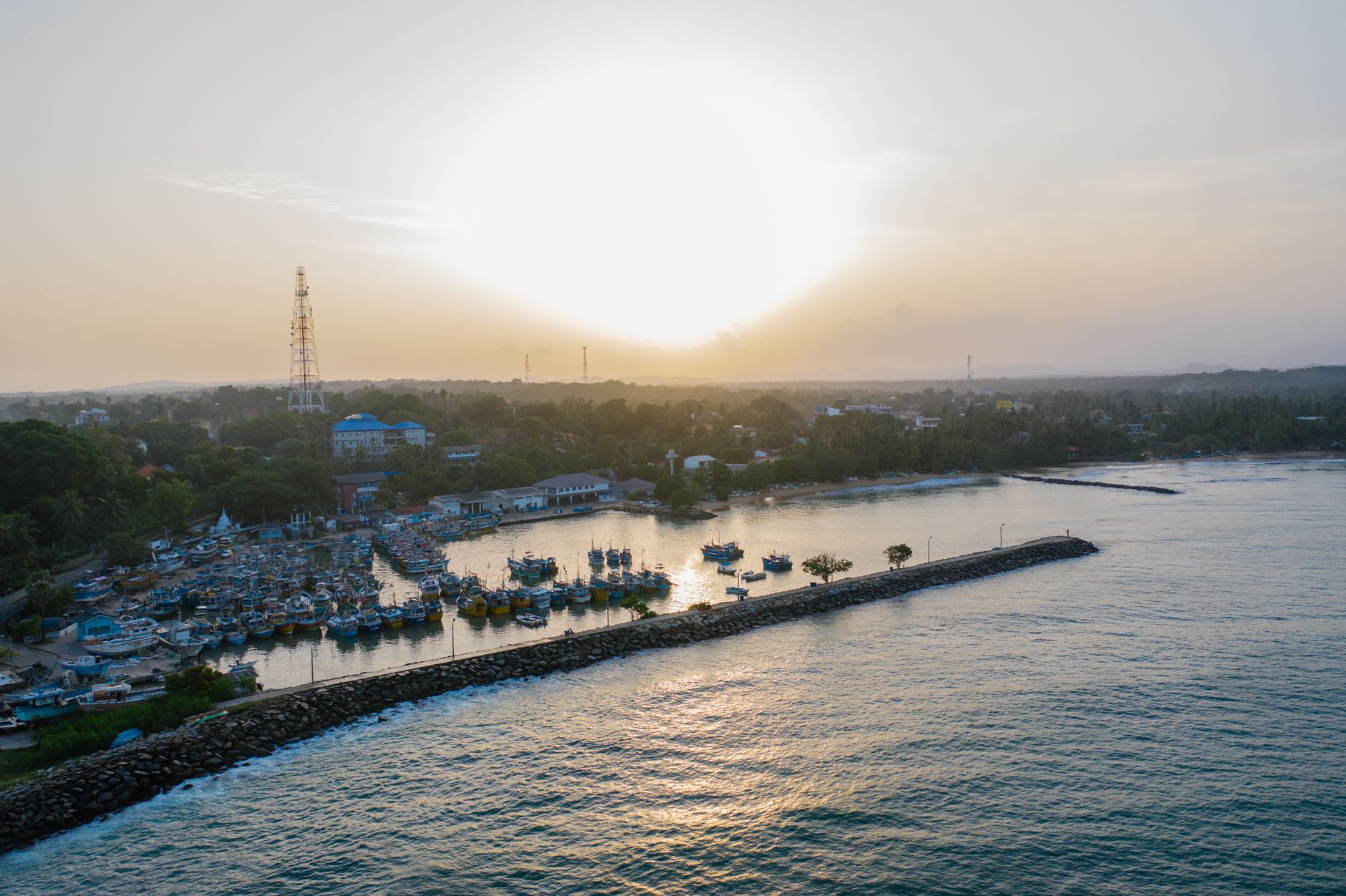
Arugam Bay is Sri Lanka's most serious surf destination and one of the east coast's last genuinely quiet outposts. The bay has a permanent swell window, a saltwater lagoon perfect for exploring by kayak, and a village culture that hasn't been heavily gentrified. It's also remote, often unreliable for supplies, and best approached with flexibility and modest expectations about comfort.
What makes Arugam Bay worth visiting?
The primary draw is consistent, reliable surf. The main reef break offers hollow, predictable barrels from April through September, when Southern Hemisphere swells wrap around the island. Secondary beach breaks and a northern point break provide variety for different skill levels. Beyond water sports, the lagoon system supports birdwatching, kayaking, and quiet swimming, and the surrounding scrubland and patches of forest attract leopards and sambhur deer if you're patient at dawn and dusk.
The village itself—about 150 families, mostly dependent on fishing and tourism—has retained a slower pace than Mirissa or Arugambe. Guesthouses are basic, restaurants are few and inconsistent, and the nearest town (Pottuvil) is 10 km inland. This remoteness is either the appeal or the problem, depending on your tolerance for isolation.
Related: Sri Lanka Hotels: A Practical Guide to Finding the Right Place to Stay
See also: Black Forest Beach Resort: Location, Facilities & What to Expect
See also: Train from Kandy to Ella: Route, Schedule & What to Expect
Best time to surf Arugam Bay
April to September is the swell season. April and May often deliver the cleanest, most consistent waves, with March–May being peak for crowds and guesthouse occupancy. June through August sees heavier swells but also stronger offshore winds in the mornings; evening glass-offs are common. September still holds swell but crowd levels drop sharply as travellers move towards winter destinations.
October to March is the dry season for the west and south coasts but brings onshore, inconsistent wind to Arugam Bay. Swell is rare, the lagoon becomes choppy, and many guesthouses close. Birdwatching improves November–February, but you'll be visiting primarily for the village experience, not the water.
How to get to Arugam Bay
From Colombo: 320 km by road; 6–7 hours in a private vehicle or hired driver. The coastal road via Matara and Hambantota is scenic but slow. The inland route through Kandy to Badulla then east is faster (5.5 hours) but longer in kilometres.
From Ella or Kandy: Pottuvil is the nearest road hub—a 2–3 hour drive from Ella. Minibuses run from Pottuvil to Arugam village (30–40 minutes) throughout the day; fares are inexpensive but schedules irregular. Private hire is more reliable if you're on a set itinerary.
By bus: Long-distance services from Colombo to Pottuvil exist but are slow and crowded; buses from Anuradhapura or Batticaloa to Pottuvil are more direct. From Pottuvil, local minibuses are your only option unless you hire transport.
Self-drive: Possible if you're confident driving Sri Lankan roads. Roads are mostly paved but narrow and busy on the main coast route. Hiring a driver costs 6,000–9,000 LKR per day and removes navigation stress.
Where to stay
Accommodation is guesthouse-based, simple, and seasonal. Budget-friendly places (500–1,500 LKR per night) are basic concrete rooms with shared bathrooms; mid-range options (2,000–4,500 LKR) add private baths and sea views but remain unfussy. Peak season (April–May) books out; off-season, half the village closes. There are no resort chains or luxury properties—the appeal is simplicity, not amenity.
Book in advance April–May or risk a long search. In shoulder months (March, September), you can usually find a room on arrival. Some guesthouses operate restaurant menus; others rely on the handful of small eateries in the village.
What to do in and around Arugam Bay
Surfing: The main reef break is 150–200 metres offshore, best accessed by boat or paddle. Hire a local guide (2,500–4,000 LKR) who knows currents and respect the break's politics—locals fish here and tolerate surfers, not the reverse. Bodyboarding and bodyurfing on the beach break work year-round but are most fun April–September. Hire a board locally (800–1,200 LKR/day) if you're travelling light.
Lagoon exploration: Rent a kayak or arrange a boat tour (2,000–3,500 LKR per hour, negotiable) to paddle the brackish lagoon. Early morning brings wading birds—herons, egrets, occasional painted storks—and sometimes crocodiles (harmless if undisturbed). The lagoon widens inland toward Pottuvil; a 2–3 hour paddle is feasible for moderate fitness.
Birdwatching: The coastal scrub and lagoon margins host over 150 species. November–February is peak migratory season. Hire a local guide (3,000–5,000 LKR for a half-day) who knows where to find resident species and understands breeding behaviour. Binoculars essential; a spotting scope helps but isn't mandatory.
Walking and wildlife: Village walks to nearby pools and forest fringes can turn up leopards, sambhur, and civets at dawn or dusk, though sightings are never guaranteed. Walk with a local guide, not alone. The terrain is dry scrub and sandy tracks; wear sun protection and carry 1.5–2 litres of water.
Beach and swimming: The bay itself is calm, suitable for non-surfer swimmers from May onwards; April and June can see large shore break. The reef and lagoon are cleaner than open-ocean beaches. Saltwater pools in the lagoon offer a middle ground between lagoon and ocean.
Practical information
Money and supplies: The village has no ATM; draw cash in Pottuvil (10 km away, 20-minute minibus ride). The single small shop sells basics—rice, oil, tinned food, water—but little else. Supermarkets and pharmacies are in Pottuvil. Don't assume supplies will be available; carry essential medicines and snacks.
Food: Expect rice, curry, fresh fish, and coconut milk as staples. Vegetarian options are limited. Guesthouses prepare meals if you order ahead. The village has 1–2 simple restaurants open during tourist season; off-season, eating options shrink drastically.
Water and electricity: Most guesthouses have well water (usually safe for washing, risky for drinking) and grid electricity, but outages happen. Bring a headtorch and a water filter or purification tablets. Bottled water is available but pricey relative to the coast.
Internet: Coverage is patchy; some guesthouses have WiFi but it's slow. Assume you'll have limited connectivity. Mobile (Dialog, Mobitel) has reasonable 4G signal in the village but not in the lagoon.
Fitness and difficulty: Surfing requires swimming ability and balance; reef knowledge is essential. Kayaking is moderate intensity for 2–3 hours. Walking is easy on flat tracks but exposed to sun. No technical climbing or high-altitude effort required.
Health and safety: Malaria is not present at sea level on the east coast. Dengue is a year-round risk; use repellent. Coral cuts can get infected; bring antiseptic and dressings. The village is safe; petty theft is rare, but valuables should be locked away.
How long to stay?
Surfers often spend 5–7 days to surf multiple swells and days. Non-surfers and families usually spend 2–3 days: a day to explore the lagoon and village, a second for birdwatching or wildlife walks, and a third as a buffer or rest day. Staying longer than a week risks boredom unless you're actively surfing or deeply into birdwatching.
Getting more context
For planning your wider east-coast journey, read about Ella, the cultural heart of the interior, and check the best time to visit Ella to sync your timing. If you're interested in other east-coast towns and logistics, explore Trincomalee and Batticaloa as alternative bases or stopover points on a larger circuit.
FAQ
Is Arugam Bay dangerous? No. The village is safe for tourists. The sea carries normal tropical hazards (strong currents, coral, stonefish in shallow water, occasional sharks)—standard ocean precautions apply. Political tensions and conflict are not a current risk, though the area saw conflict in the past; local guides and guesthouses are your best source for current conditions.
Can non-surfers enjoy Arugam Bay? Yes, but comfort levels matter. If you're happy with basic guesthouses, kayaking, quiet walks, and birdwatching, you'll find it rewarding. If you need cafés, shops, WiFi, or restaurant variety, it'll feel isolating. It's not a resort destination.
What should I bring? Sun protection (hat, SPF 50+, rash guard if surfing), a water filter or purification tablets, a headtorch, reef shoes, any medications you need, snacks, and a modest day pack. Hire a wetsuit (spring suit, 2mm) locally rather than travelling with one. Bring cash in Lankan rupees—no ATMs in the village.
Is it worth the journey from Colombo? If you surf, yes. If you want remote, authentic, low-key coastal travel, yes. If you want convenience, restaurants, and nightlife, no. Plan 6–7 hours of road time each way, and consider combining Arugam Bay with Ella or Kandy to justify the journey.