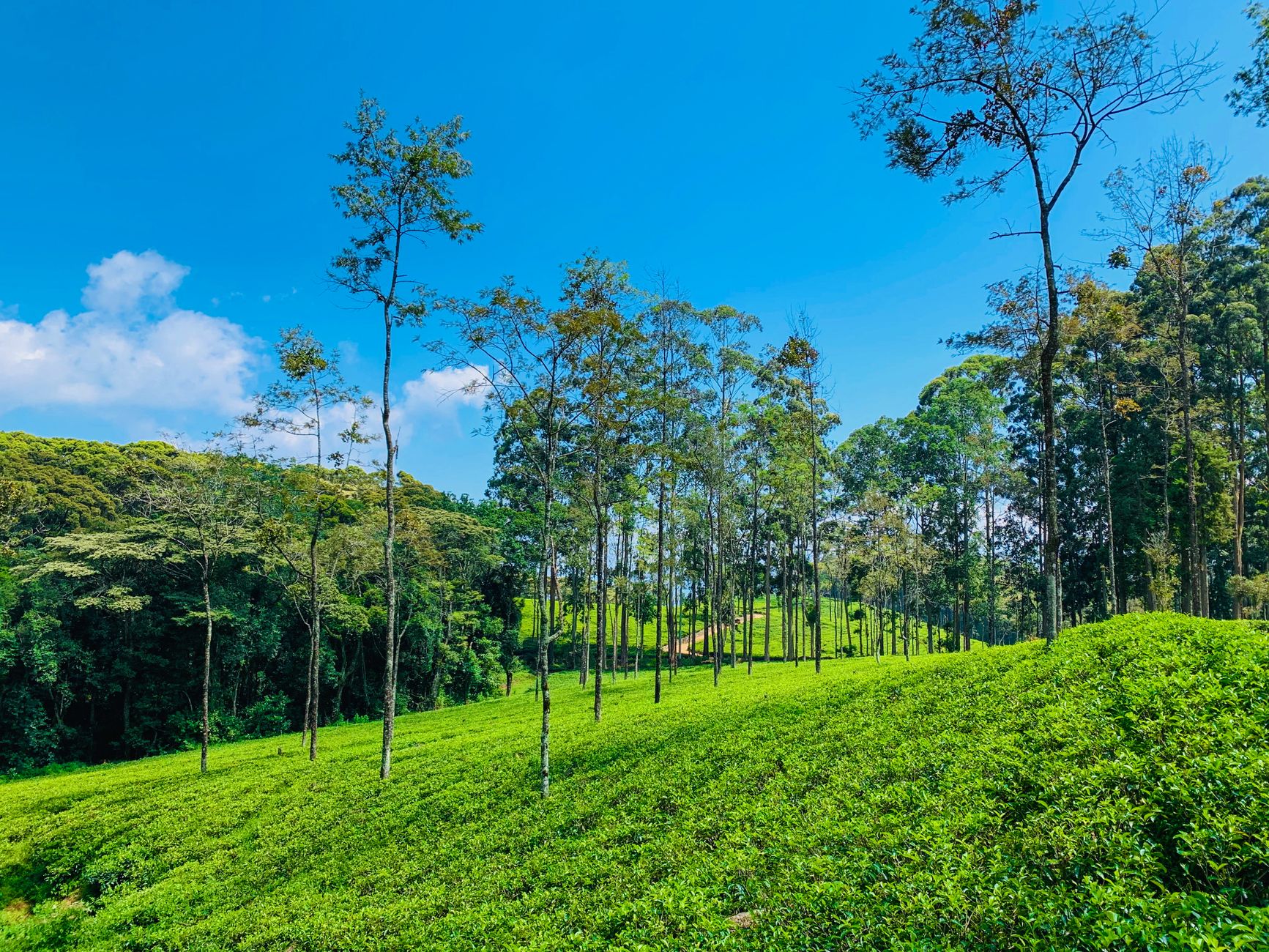
Tea Plantation Tours in Sri Lanka: Best Options, Costs & What to Expect
Tea plantation tours cost £15–£50 per person. Half-day tours last 3–4 hours and include factory walks and tastings. Full-day tours (£40–£50) add lunch and multiple estates. Book directly with estates to save 20–30% versus hotel commissions. The Central Highlands—Nuwara Eliya, Kandy, Ella—holds 90% of Sri Lanka's tea plantations.
Where are the best tea plantations to visit?
The central highlands concentrate most accessible tours. Nuwara Eliya sits at 1,868m elevation and anchors the largest cluster; it's a 3-hour drive from Kandy or 5 hours from Colombo. Kandy (500m) borders plantations and is more accessible but sits lower—tea quality peaks above 1,200m. Ella (1,041m) offers budget tours (£8–£15) but smaller estates.
Key estates:
Related: Is Habarana Worth Visiting? An Honest Take
Related: Kalawana with Family: What Works and What to Skip
Related: Gal Oya Wild Glamping: What to Expect in Sri Lanka's Hidden Park
- Mackwoods Labookellie Estate (Nuwara Eliya): 2,000 hectares, factory tour, 45-minute walk. £12 entry.
- Pedro Tea Estate (Nuwara Eliya): Smaller, family-run, £10 entry includes tea.
- Bluefield Tea Garden (Kandy region): Working estate, tasting room, £8–£15.
- Ambewela Estate (near Nuwara Eliya): High altitude (2,000m+), premium leaf, £15–£20.
Distance matters. Nuwara Eliya is 2–8km from estates; Ella tours require minibus transfers (30–45 minutes each way).
What does a typical tea tour include?
Standard half-day (£15–£25):
- Factory walk (30–45 minutes): withering, rolling, drying, grading rooms.
- Demonstration: workers show hand-rolling or machine sorting.
- Tea tasting: 3–5 varieties, explained by staff.
- Gift shop access.
- Duration: 2.5–3.5 hours.
Full-day tours (£40–£60):
- Two estates (morning and afternoon).
- Lunch at estate restaurant or nearby town (included or £5–£8 extra).
- Tea picking demonstration (seasonal May–October).
- Extended tasting and blending workshop.
- Duration: 6–8 hours.
Add-ons:
- Picking experience (hands-on): £5–£10, 30 minutes, often seasonal.
- Lunch at estate: £8–£15 (curry rice, vegetable dishes).
- Guide upgrade: £3–£5 for English-fluent estate staff instead of driver.
How to book: direct vs. hotels vs. agencies?
Direct booking (best value):
- Call estates directly or visit office on arrival.
- Saves 20–30% markup.
- Tighter scheduling; groups may be smaller.
- Rates: Mackwoods £12, Pedro £10, Bluefield £8.
- Drawback: Less flexibility; tours run fixed times or require minimum 4–6 people.
Hotel booking (convenience):
- Hotels add 30–50% markup (£12 tour becomes £16–£18).
- Collect you from room; handles transport.
- Useful if you lack transport or want same-day booking.
- Most hotels bundle this; rates vary by property grade.
Local agencies (moderate):
- Tuk-tuk drivers and guesthouses offer commission deals.
- Markup: 15–25%.
- Better for customised itineraries or multi-day tea circuits.
- Risk: Variable guide quality.
Best value: Hire a driver (£30–£50/day) and visit 2–3 estates independently. Total cost: £40–£70 for two people.
When should you visit a tea plantation?
Peak harvest: May–October. Most pickers work; demonstrations authentic. Tours busier; book early.
Off-season: November–April. Fewer pickers; tours quieter. Some estates reduce opening hours. Tea quality lower (monsoon-grown leaf).
Weather: Central Highlands see mist and rain year-round above 1,500m. Bring a jacket. Nuwara Eliya runs 10–15°C; Ella 12–18°C.
Crowds: Avoid 2–4pm. Morning tours (8–11am) see fewer groups.
What's the quality difference between estates?
Premium (high altitude, 1,800m+): Ambewela, some Nuwara Eliya estates. Leaf is finer, more oxidised, complex flavour. Tastings emphasize subtle notes. Tours £15–£25.
Mid-range (1,200–1,800m): Mackwoods, Pedro, typical Kandy region. Balanced quality, good for first-timers. Tours £10–£15.
Budget (below 1,200m or small estates): Ella properties, lower-altitude farms. Leaf is coarser, more oxidised, stronger brew. Tours £5–£10. Good value but less sophisticated.
No estate is "bad." Higher altitude = subtler leaf and pricier tours; lower altitude = bolder flavour and cheaper entry.
Can you pick tea yourself?
Yes, most estates offer 30-minute picking experiences (May–October). Cost: £5–£10. Realistic expectations: you'll pick 500g–1kg; estate workers pick 20kg/day. It's a photograph moment, not a skill transfer. Wear covered shoes and long sleeves (leaves are sharp; pickers show scars).
How much tea can you buy?
Estates sell loose leaf: £8–£30 per 500g depending on grade. Premium high-grown teas (Ambewela, Nuwara Eliya high-altitude) run £20–£30. Mid-range: £10–£15. Budget Ella leaf: £5–£8. Avoid packaged gift teas in shops; prices inflate 50–100%. Buy at the estate shop for best value.
Multi-estate itineraries: Nuwara Eliya to Ella
Two-day circuit (£60–£100 per person):
- Day 1: Nuwara Eliya. Mackwoods + Pedro (separate mornings or joint half-day). Lunch in town. Afternoon: town walk or botanical garden.
- Day 2: Drive to Ella (1.5–2 hours). Bluefield or Ambewela (depending on altitude preference). Return to Ella or Kandy.
- Transport: Minibus hire £40–£60/day or private driver £50–£70.
Three-day circuit (Kandy–Nuwara Eliya–Ella):
- Day 1: Kandy. Bluefield Tea Garden (half-day).
- Day 2: Drive to Nuwara Eliya (3 hours). Mackwoods factory tour + Pedro estate (separate mornings).
- Day 3: Ella (1.5 hours from Nuwara Eliya). Ambewela or local estate. Return to Kandy or stay in Ella.
- Cost: £80–£140 per person (tour fees + driver).
See /ella and /nuwara-eliya for accommodation and other activities.
Physical demands and accessibility
Tours involve stairs (up to 50 steps), uneven paths, and 1–2 hour walks at altitude. Factory rooms are warm (40°C+ near dryers) and humid. Comfortable shoes essential. If you have mobility issues, inform the estate; some allow shorter routes or skip factory sections. Pregnant women should avoid heat exposure in drying rooms.
FAQ
What's the difference between Ceylon and other Sri Lankan teas? Ceylon is the official name for Sri Lankan tea. The highlands (above 1,200m) produce the finest grades—delicate, floral, more oxidised than Assam. Lower-altitude leaf is stronger, darker. All "Ceylon" tea comes from Sri Lanka; quality depends on altitude and estate, not a single region.
Do tours include transport from my hotel? Hotels booking for you typically arrange pickup. Direct estate bookings usually don't; you need a taxi (£5–£10) or driver. Check when confirming.
Can I visit a plantation without a tour? Yes. Walk up to the estate gate and ask if you can look around. Most allow it free or for £3–£5 if you're not buying tea. Factory tours require a guide; they're not self-guided.
Is tea tasting free or included in the entry fee? Included in estate tour fees (£10–£25). If you visit unofficially, staff may offer tea for free or £1–£2 donation.