Visit Sri Lanka's Tea Plantations: What to Expect and What to Pay
Sri Lanka grows over 340,000 tonnes of tea annually across 180,000 hectares, mostly in the central highlands. Entry fees range from LKR 500–1,500 per person, depending on the plantation. Most visits last 2–4 hours and include factory tours, estate walks, and tea tastings. No booking is usually required for group plantations; smaller estates benefit from advance notice.
Which tea region should you visit?
The central highlands hold 97% of Sri Lanka's tea. Three zones dominate:
Nuwara Eliya district (1,600–2,000 m): Produces medium-grown tea with balanced flavour. Closest town is Nuwara Eliya, 90 km south of Kandy (2.5–3 hours by car). Pedro Tea Estate and Mackwoods are the largest open plantations. Entry: LKR 800–1,200.
Related: Tissamaharama with Family: What Works and What to Skip
Related: Sri Lanka Hotels: A Practical Guide to Finding the Right Place to Stay
Related: Where to Stay in Negombo: A Sri Lanka Guide
Ella region (1,000–1,500 m): High-grown tea, lighter cup. Ella town is 48 km south of Badulla (1.5 hours). Many smaller estates welcome visitors. Entry: LKR 500–1,000. Fewer crowds than Nuwara Eliya.
Kandy district (1,200–1,800 m): Mixed-grown tea, some heritage estates. Kandy is the main access point (3 hours north of Nuwara Eliya). Less touristy; some require arrangement through hotels.
How much does a tea plantation visit cost?
Entry fees:
- Open plantations: LKR 500–1,500 per person
- Guided estate walks: LKR 1,500–3,000 additional
- Tea factory tour: Usually included in entry
- Tea tasting: LKR 300–800 per person (often complimentary)
- Meals/café: LKR 800–2,500 for light lunch or tea
Transport costs (from major towns):
- Nuwara Eliya to plantation (5–20 km): LKR 2,000–4,000 by tuk-tuk return; LKR 6,000–8,000 by private taxi return
- Ella to plantation (3–15 km): LKR 1,500–3,000 tuk-tuk; LKR 5,000–7,000 taxi
Organised tours: LKR 4,000–8,000 per person including transport, guide, entry, and tea tasting (minimum 4 people). Hotels and guesthouses in Nuwara Eliya and Ella book these same-day.
What happens during a plantation visit?
Factory tour (30–50 minutes): You'll see withering racks, rolling machines, fermentation tanks, and drying ovens. Factory staff or a guide explains each step. Many plantations allow photos. The process converts fresh leaf to final grade within 20 hours.
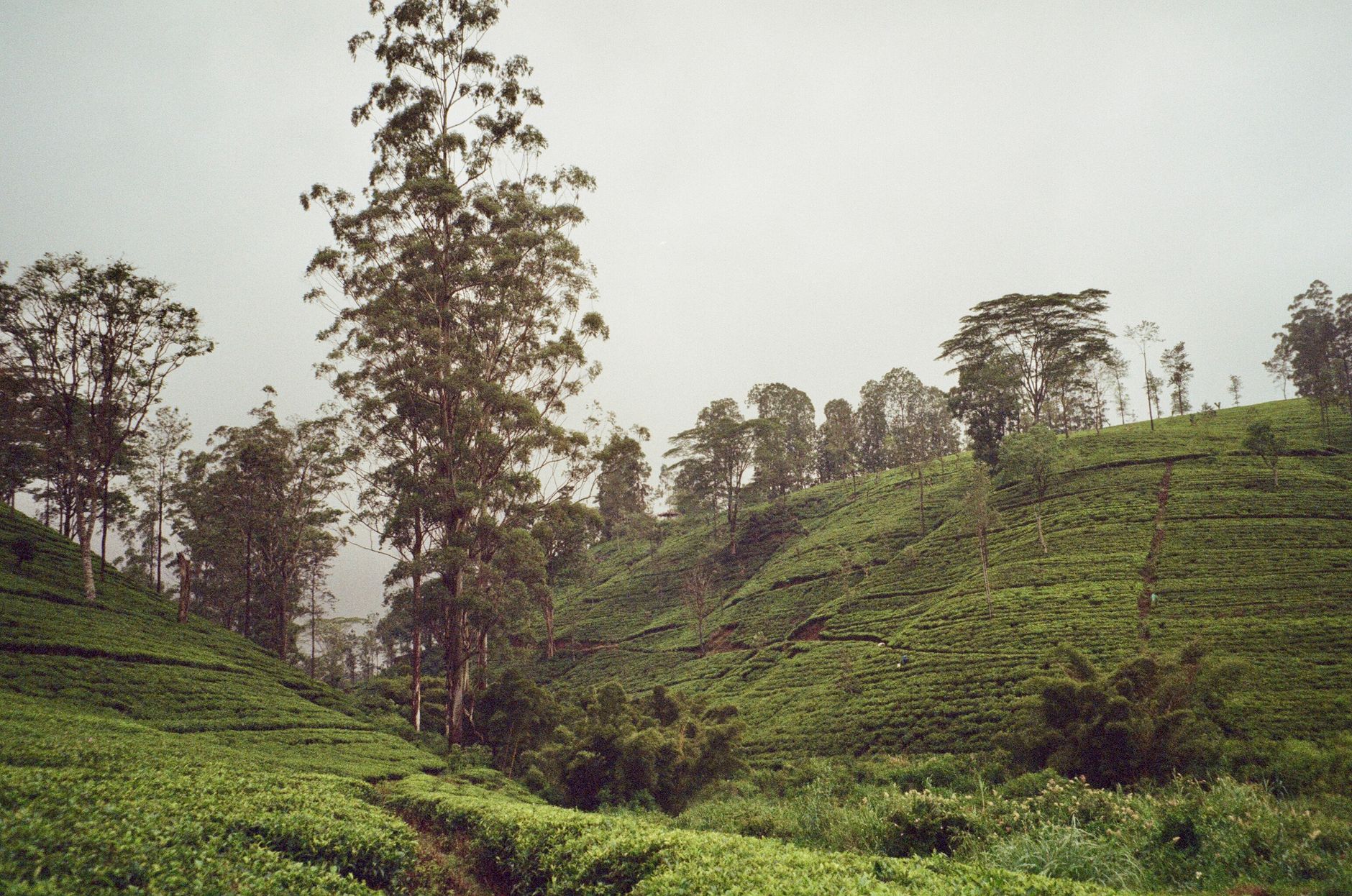
Estate walk (30–90 minutes): Walk among tea bushes, learn pruning techniques, and see pickers at work (peak season: January–March). Early morning walks (06:00–08:00) are most pleasant. Wear trainers with grip; slopes are steep and muddy after rain.
Tea tasting (20–30 minutes): You'll sample 1–3 grades of the estate's own tea. The taster explains colour, aroma, and flavour. Most tastings are informal; some plantations offer a small booklet grading the leaves.
Total time: 2–4 hours depending on pace and interest.
Best time to visit tea plantations
January–March (dry season): Best weather, clearest views, pickers actively harvesting. Temperatures 15–22°C at altitude. Visibility excellent.
June–September (monsoon): Lush, green plantations; cooler (13–18°C). Regular afternoon rain; mornings often clear. Fewer tourists. Some smaller estates close.
April–May, October–December: Moderate rainfall, fewer crowds than January–March. Roads occasionally muddy but passable.
Visit /nuwara-eliya/best-time-to-visit for detailed seasonal guidance.
Which tea plantations welcome visitors?
Large open plantations (no booking needed):
- Pedro Tea Estate (Nuwara Eliya district): LKR 1,200; factory, gift shop, café. 3 km south of town.
- Mackwoods Labookellie (Nuwara Eliya district): LKR 1,000; factory, guided walk optional (+LKR 1,500), shop. 2 km north of town.
- Elpitiya Plantations (Ella): LKR 600; small factory, walk, tea tasting. 4 km north of Ella.
- Addisham Estate (Kandy district): LKR 800; heritage plantation, family-run. Advance notice recommended.
Smaller estates (better experience, require arrangement): Most guesthouses in Ella and Nuwara Eliya can arrange visits to family-owned estates within 48 hours. Costs: LKR 800–1,500 entry plus guide fee (LKR 1,500–2,500 for small group). These often include lunch and longer walks.
Compare the factory-focused experience at Mackwoods (efficient, international-standard machinery, busy) against Elpitiya (smaller-scale, quieter, longer interaction with staff).
How to get to the tea plantations
From Nuwara Eliya:
- By tuk-tuk: 20–40 minutes to plantations 5–20 km away. Fare: LKR 2,000–4,000 return (negotiate before departure).
- By car/taxi: Private hire through your hotel (LKR 3,500–5,500 per hour, minimum 3 hours). Some drivers know small estates; worth asking.
- On foot: Mackwoods is walkable (2 km north of town, 30 minutes uphill). Other estates require transport.
From Ella: Most plantations lie 3–15 km away. Tuk-tuk: LKR 1,500–3,000 return. Walking the estate itself is the main activity; town access is the bottleneck.
Public transport: Buses run Nuwara Eliya–Kandy and Ella–Badulla but stop at main roads; most plantations lie 3–10 km off-route. Not practical unless you arrange a local pickup.
What to bring and wear
- Trainers or hiking boots (muddy, steep terrain)
- Long trousers or sturdy leggings (sun, insect protection)
- Windproof jacket (cool, windy at altitude; rain likely June–September)
- Hat and sunscreen (intense UV at 1,600+ m)
- Water bottle (refill at plantation cafés)
- Camera (bring spare batteries; phone charging unreliable)
Avoid loose clothing or flip-flops near machinery.
How much tea can you buy?
Most plantations have gift shops. Prices:
- Premium single-estate tea (100 g): LKR 1,500–3,500
- Standard plantation blend (100 g): LKR 800–1,500
- Bulk bags (1 kg): LKR 8,000–15,000
Comparable quality tea at supermarkets in Colombo or Kandy is 15–25% cheaper but lacks the estate authenticity. Buy only what you'll use; air-tight packaging essential for quality beyond 4–6 months.
Visit /ella and /nuwara-eliya for accommodation and town guides.
FAQ: Tea Plantations in Sri Lanka
How long does a tea plantation visit take? Typically 2–4 hours: 30–50 minutes for the factory, 30–90 minutes for an estate walk, and 20–30 minutes for tea tasting. You can do a factory-only visit in 1 hour.
Do I need to book a tea plantation in advance? Large plantations like Mackwoods and Pedro accept walk-ins 07:00–16:00. Smaller family estates benefit from 24–48 hours' notice arranged through your guesthouse. Group plantations rarely turn visitors away but may ask you to wait for a guide.
Is the tea tasting included in the entry fee? Yes, at most plantations. A tasting of 1–3 grades is complimentary. Premium tastings with snacks may cost LKR 500–1,000 extra.
Can I buy tea directly from the plantation at a lower price? Likely not. Gift-shop prices at plantations are standard retail. Auction tea (bulk, ungraded) is cheaper but unavailable to tourists. Estate-branded teas offer authenticity rather than significant savings.