Tea Tours in Sri Lanka: Routes, Costs & Best Operators
Tea tours in Sri Lanka cost £25–£95 per person for day trips, depending on group size and inclusions. Most include plantation walks, factory tours, and tea tasting. The central highlands—Nuwara Eliya, Ella, and Kandy—hold 60% of Sri Lanka's tea production. Independent travellers pay less (£8–£15 entry to estates) but need transport arranged separately.
Which regions produce the best tea?
Nuwara Eliya produces the highest-grade tea. Elevations above 1,500m create lighter, floral brews with higher prices. Kandy's mid-elevation estates (900–1,200m) yield fuller-bodied teas. Ella sits between—slightly lower quality than Nuwara Eliya but cheaper access and better tourist infrastructure.
Quality ranking by elevation:
Related: Sri Lanka Tea Plantation Tours: Costs, Routes & What to Expect
Related: How Many Days Are Enough for a Sri Lanka Holiday?
Related: Accommodation Near Udawalawe National Park: What to Expect
- Nuwara Eliya (1,600–2,200m): £4–£8 per 100g premium grade
- Kandy (900–1,200m): £2–£4 per 100g mid-grade
- Ella (1,000–1,200m): £2–£3 per 100g commercial grade
How much do guided tea tours cost?
Group tours from major cities range £30–£60 per person for 6–8 hours. Private guides cost £35–£50 daily. Overnight tea plantation stays run £80–£150 per night including meals and activities.
Common tour packages:
- Kandy day tour (4 hours, 2–4 person group): £35–£45 per person. Includes factory visit, tasting, light refreshment. No plantation walk.
- Nuwara Eliya full day (8 hours, small group): £50–£70 per person. Covers two estates, lunch, detailed tasting. Transport from Kandy adds £15–£20.
- Ella tea experience (3–4 hours, walk-in rates): £25–£35 per person. One estate, tea picking optional (+£5), tasting included.
- Private guide, Nuwara Eliya (full day): £45–£55 (guide only; entrance fees separate).
Train route: Kandy to Ella tea corridor
The 75km Kandy–Ella railway journey (5 hours) passes through tea-covered slopes. Third-class seats cost £1.50; first-class £8. Stops aren't scheduled but passengers can request the guard. Realistic tea views occur between Nawalapitiya and Ella (kilometre 40–75). First-class observational comfort beats third-class packed crowds, but third-class offers authenticity at fraction of price.
Reality check: Train routes follow valleys, not ridge-top estates. You'll see plantations but not pick-quality detail. Best for photography and atmosphere, not detailed learning.
Independent tea estate visits: Costs and logistics
Walk directly to estates without organised tours. Entrance fees: £3–£8 per person. Most open 7am–4pm weekdays; limited weekends.
Nuwara Eliya independent access:
- Lipton's Seat (viewpoint, free): 10km south of town. Minibus £1 or hire jeep £30–£40.
- Pussellawa estate: 4km from town, welcomes visitors. £5 entry, factory tour 30 mins.
- Lover's Leap estate: 8km from town. £6 entry, includes tasting.
Ella independent access:
- Ella Tea Factory: In-town location, £3 entry, tasting £1 extra. 9am–4pm daily.
- Plantations surrounding town: Walk uphill on any north-facing slope. No formal access; locals rarely object to photo stops.
Kandy independent access:
- Peradeniya estate: 15km south. £4 entry, minibus 45 mins (£2) from Kandy centre.
- Galway's Land estate: 10km from Kandy. £5 entry, less crowded than Peradeniya.
Independent visits require your own transport (hire jeep £35–£50 daily) or reliance on local minibuses (unpredictable schedules). Better for budget travellers; worse for time efficiency.
What's included in a typical tour?
Most group tours include:
- Factory tour: Processing lines, drying beds, sorting rooms (1–2 hours).
- Tea tasting: 3–5 brews; staff explain grades and origins (30 mins).
- Light refreshment: Tea and biscuits (included).
- Guide commentary: History, production methods, harvesting seasons.
Rarely included: Lunch (add £5–£10), tea picking (add £5–£8), overnight stays. Ask operators directly; inclusion varies.
Best time for tea tours
Season affects production and visibility. January–March (dry season) offers clear views and active picking. August–September (second flush) brings harvest activity. May–July (mist) obscures slopes; still operational.
Avoid: November–December (post-harvest, reduced activity, overflow crowds during holiday tourism).
How to book tea tours
Platforms:
- Viator: £35–£75 per person, reliable reviews, free cancellation.
- GetYourGuide: £30–£70 per person, good operator variety.
- Local agents in Kandy/Ella: £25–£50 per person, direct negotiation possible, no middleman markup.
Direct booking: Contact estate managers directly. Many arrange tours for £15–£25 per person (no intermediary cost). Email or phone ahead; walk-ins sometimes accommodated but wait 1–2 hours.
Are tea tours worth the cost?
Yes, if you value learning production methods and tasting fresh teas. No, if photography or casual estate views suffice (use train route instead, £1.50 cost). Factor in:
- Quality of guide: Trained estate staff explain nuances; untrained operators repeat scripts.
- Group size: Fewer than 8 people = better experience. Larger groups = rushed timings.
- Alternative cost: Independent estate visits + self-guided walks = £10–£20 total, 3–4 hours. Loses context but saves money.
For first-time visitors planning 3+ days in highlands: book one guided tour (£40–£60) for learning, then explore independently. For day-trippers: organised tour eliminates logistics friction.
Which region suits different travellers?
Nuwara Eliya: Premium tea, highest elevations, best grades. Suits tea enthusiasts and photographers. Coolest climate (13–20°C). Hotels/restaurants cluster centrally. Tours more available, pricier (£50–£70).
Ella: Budget-friendly, backpacker-focused, shorter tours (3–4 hours). Warmer (20–25°C), easier walking. Fewer formal tour operators; estate visits more walk-up friendly. Best value.
Kandy: Closest to Colombo (3 hours), accessible via train. Lower elevations mean lesser-grade tea but convenient logistics. Tours often combined with city sightseeing. Middle-ground pricing (£35–£50).
See also: /ella, /ella/best-time-to-visit, /nuwara-eliya, /kandy
FAQ
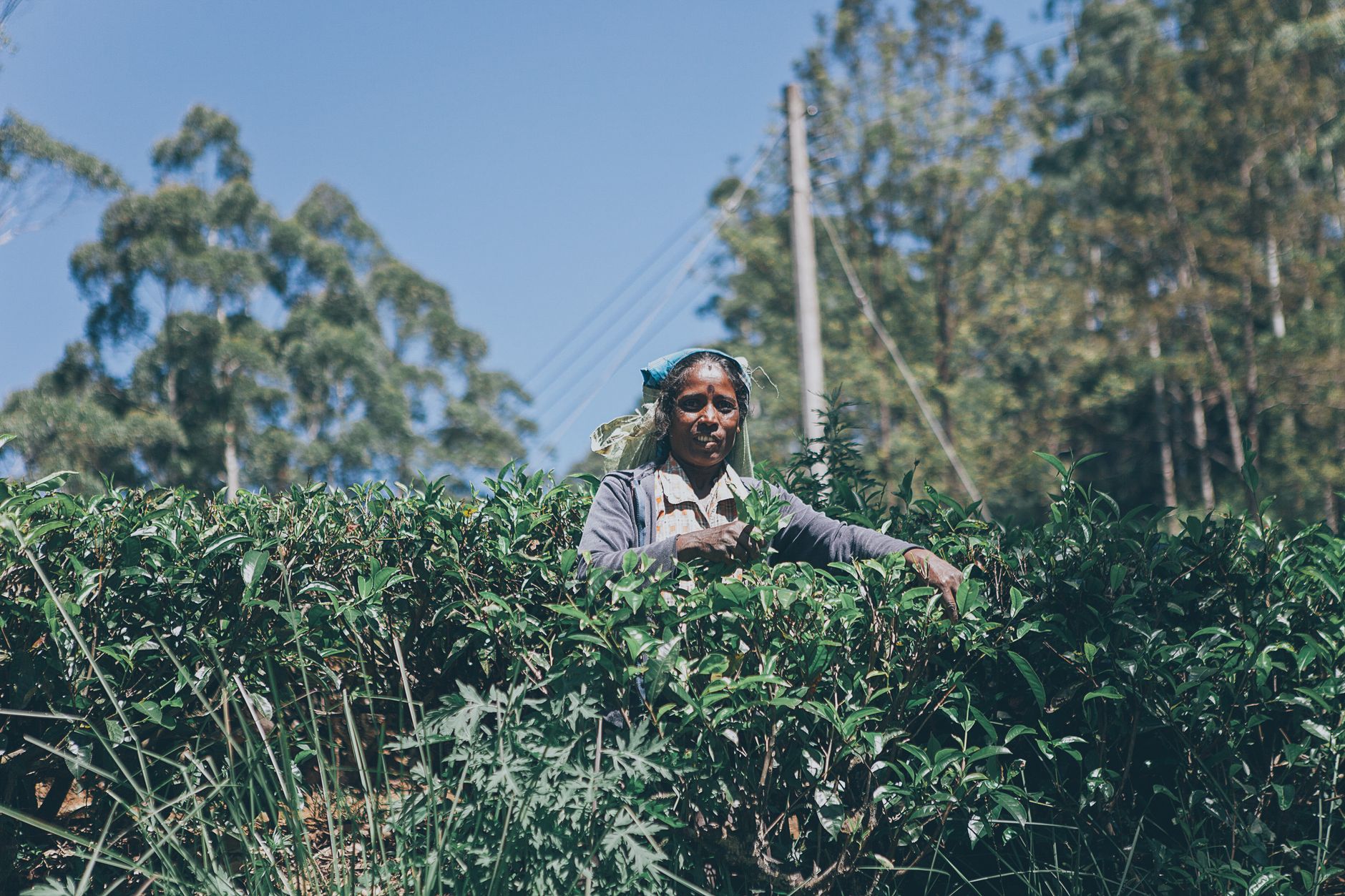
Can I pick tea myself on a tour? Some operators offer 30–60 mins of picking for £5–£8 extra. You won't collect commercial quantities (leaves must be processed), but the hands-on experience is worthwhile. Ask operators specifically; it's not standard.
What's the difference between white, green, and black tea from Sri Lanka? Processing, not plant type. Black tea (standard Ceylon): leaves oxidised fully, dark colour, 2–4 mins brewing. Green tea: no oxidation, lighter colour, 1–2 mins brewing. White tea: minimal processing, delicate taste, 3 mins brewing. All come from the same plant. Black tea dominates Sri Lankan production (95%).
Do I need a guide to visit estates? No. Entry fees apply without guides. A guide adds context and access to restricted areas but costs £30–£50 extra. Self-guided visits work for photos; guides justify cost for production learning.
How much tea should I buy at estates? Prices are 20–40% cheaper than shops. Buy 200–500g if you'll consume within 6 months (freshness drops after). Vacuum-sealed packs last 12 months. Expect £3–£8 per 100g at estate shops versus £6–£12 in tourist areas.