Where to Stay in Ambalantota: Complete Area Guide
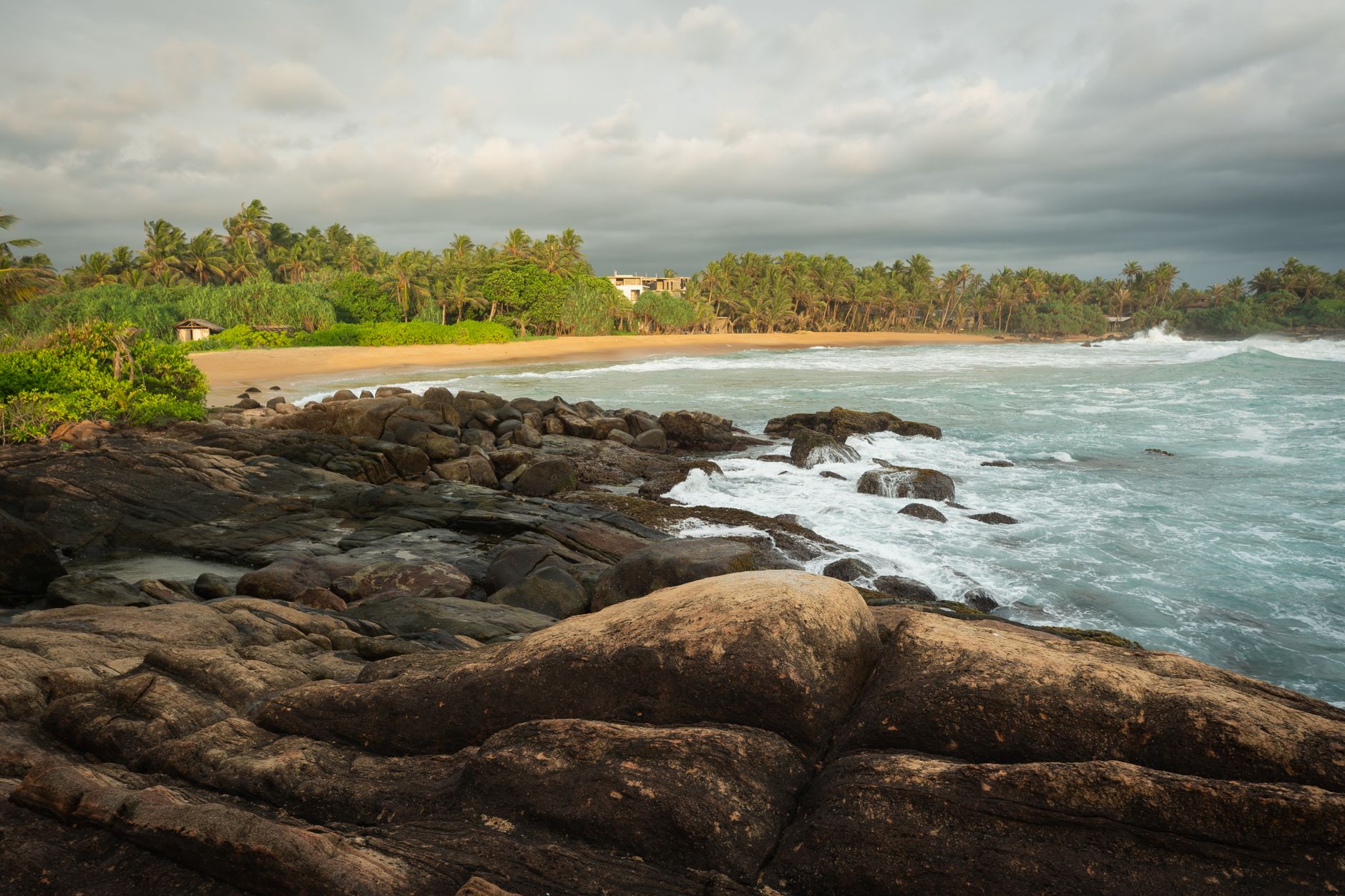
Ambalantota is a working fishing town on Sri Lanka's south coast where mangrove lagoons meet the Indian Ocean, offering a markedly different experience from the busier beach destinations further along the southern shore. Unlike the tourist-saturated streets of Mirissa or Unawatuna, this area remains genuinely local—you'll share the beaches with traditional fishing boats, spot waterbirds in the Kalametiya Sanctuary, and eat fish that was caught that morning rather than flown in from elsewhere. Your choice of where to stay here shapes whether you experience that authenticity up close or from behind resort gates, so it's worth understanding what each neighbourhood and property type offers.
What makes Ambalantota different as a base?

Ambalantota works best for travellers seeking a slower pace and wildlife interest rather than nightlife or beach-party energy. The town sprawls along a lagoon estuary rather than forming a tidy, walkable centre, which means your specific hotel location matters far more than in compact coastal towns. Most visitors are here for whale watching (best July to October), birdwatching in the nearby lagoons, or simply to anchor themselves for exploring the wider south coast—Matara, Dondra Point and Mirissa are all within an hour's drive. The town's fishing heritage means fresh seafood at modest prices, and the surrounding wetlands attract serious naturalists and photographers.
The trade-off: there's limited nightlife, fewer independent restaurants, and you may find yourself eating mainly at your hotel or in small local spots that cater to Sri Lankan families rather than tourists. Internet can be patchy in some areas. If you need bustling beach culture, Mirissa or Unawatuna are better choices; if you want a wildlife sanctuary gateway with genuine quiet, Ambalantota fits.
Related: Best Hotels in Marawila, Sri Lanka
See also: Where to Stay in Kandy: Complete Area Guide
See also: Best Hotels in Haputale, Sri Lanka
Beachfront and luxury resort area

The beachfront strip north of the town centre holds the largest and most polished properties, where rooms face the ocean directly and you're removed from local traffic and commotion. Shangri-La Hambantota dominates this stretch—a five-star resort with an 8.7/10 rating that functions almost as its own town, with multiple restaurants, a spa, and gardens. It's the sort of place where you can spend entire days without venturing beyond the property, which appeals to some and feels isolating to others. The beach here is genuine and relatively clean, backed by the lagoon rather than just open ocean.
Villa Blu and Ceu Ceylon both rate highly (9.2 and 9.1 respectively) as smaller five-star villas or boutique properties, offering more personalised service and typically better access to local experiences than the sprawling resort model. These suit couples or small groups wanting comfort without the convention-centre feel. Ceylonta Beach Resort and Spa sits between these tiers with an 8.4 rating—beachfront, well-maintained, and less ostentatious than Shangri-La but still resort-scale with proper facilities.
Grand Villa Kalametiya offers a five-star villa experience positioned towards the Kalametiya Sanctuary, which appeals particularly to birdwatchers willing to sacrifice some beach proximity for location near wildlife.
Mid-range comfort with local atmosphere

For genuine engagement with Ambalantota's character without budget-hotel compromises, Malala Retreat deserves serious consideration—a four-star property with an exceptional 9.6/10 rating from 14 reviews that suggests reliable word-of-mouth credibility rather than just a handful of glowing posts. The property evidently prioritises service quality and food quality at a price point considerably lower than beachfront resorts. Amawin Resort similarly rates well (8.2/10) as a four-star option, typically offering decent facilities and proximity to both beach and local areas.
These properties tend to have smaller footprints, staff who know your name by day two, and better connections to local fishing guides, birdwatching operators and restaurant recommendations. You'll likely eat better here too—mid-range hotels in Ambalantota often source fish directly and employ cooks accustomed to local techniques rather than resort-standardised menus.
Budget and specialty options
If you're cost-conscious or want immersion rather than comfort, Jade Green Hambantota and Sarada Lagoon View Cabana both rate solidly (7.7 and 9.6 respectively) at three-star level. Jade Green is the more established option with more reviews; Sarada's excellent rating suggests it's a small, personalised spot that works brilliantly for certain travellers and might disappoint those expecting resort services. These properties put you in direct contact with the town and its rhythms—you'll hear fishing boats at dawn, negotiate transport yourself, and eat where locals eat.
The Oasis Ayurveda Beach Resort caters specifically to wellness and Ayurvedic treatment seekers, which is either a perfect fit or irrelevant depending on your interests. Its 6.2/10 rating is lower, suggesting mixed experiences—some find the Ayurveda focus compelling, others feel the facilities don't match the price.
Comparing locations: Ambalantota itself versus nearby Hambantota
Ambalantota and Hambantota are adjacent towns, and the naming in Sri Lanka's hotel databases often conflates them (you'll notice hotels listed as "Hambantota" despite being in Ambalantota). Hambantota town proper, to the south, is primarily commercial and less appealing as a base; the lagoon-facing and beach-facing properties north of Ambalantota town proper are what matter. Ensure when booking that you understand exactly where the property sits—beachfront means north of the town centre; lagoon-facing might mean quieter and more wildlife-focused but less immediate beach access.
Practical tips for choosing
Visit Ambalantota between late July and October if whale watching is your draw; the lagoons are rewarding year-round for birdwatching. Book any wildlife tours through your hotel rather than trying to arrange independently—English is less widely spoken here and operators know which hotels to contact. Seafood is exceptional here, but always ask your hotel to recommend restaurants rather than wandering; many good spots are unmarked and frequented almost entirely by locals. If you have a car and driver, you gain far more flexibility; without one, you're somewhat dependent on your hotel for transport to attractions beyond walking distance.
The southern coast is best explored over several days based in different spots—consider using Ambalantota as your wildlife base (2–3 nights), then moving to Mirissa for beach activity or Unawatuna for a colonial-era atmosphere. This breaks up the journey and lets you target each area's strengths.
FAQ
Is Ambalantota safe for tourists? Yes. It's a working local town rather than a tourist resort, so petty theft can occur (secure your valuables), but violent crime is extremely rare. Locals are welcoming once you make an effort with basic politeness and Sinhala greetings.
What's the best time to stay in Ambalantota? Late July through October for whale watching; January to March for dry, comfortable weather and fewer mosquitoes. The May–September monsoon brings heavy rain but lower prices and fewer tourists if that appeals.
Do I need a car to get around Ambalantota? Not essential, but strongly recommended. Tuk-tuks and taxis are available but less frequent than in larger towns. Many hotels arrange drivers for day trips; expect to pay around 3,500–4,500 LKR per day depending on distance and negotiation.
What should I do in Ambalantota? Whale watching, birdwatching in Kalametiya Sanctuary, visiting the Ambalantota lagoon on boat tours, eating fresh seafood, and using it as a base to explore nearby Matara, Dondra Point lighthouse, and the southern coast. If you want beaches primarily, nearby Mirissa is better.