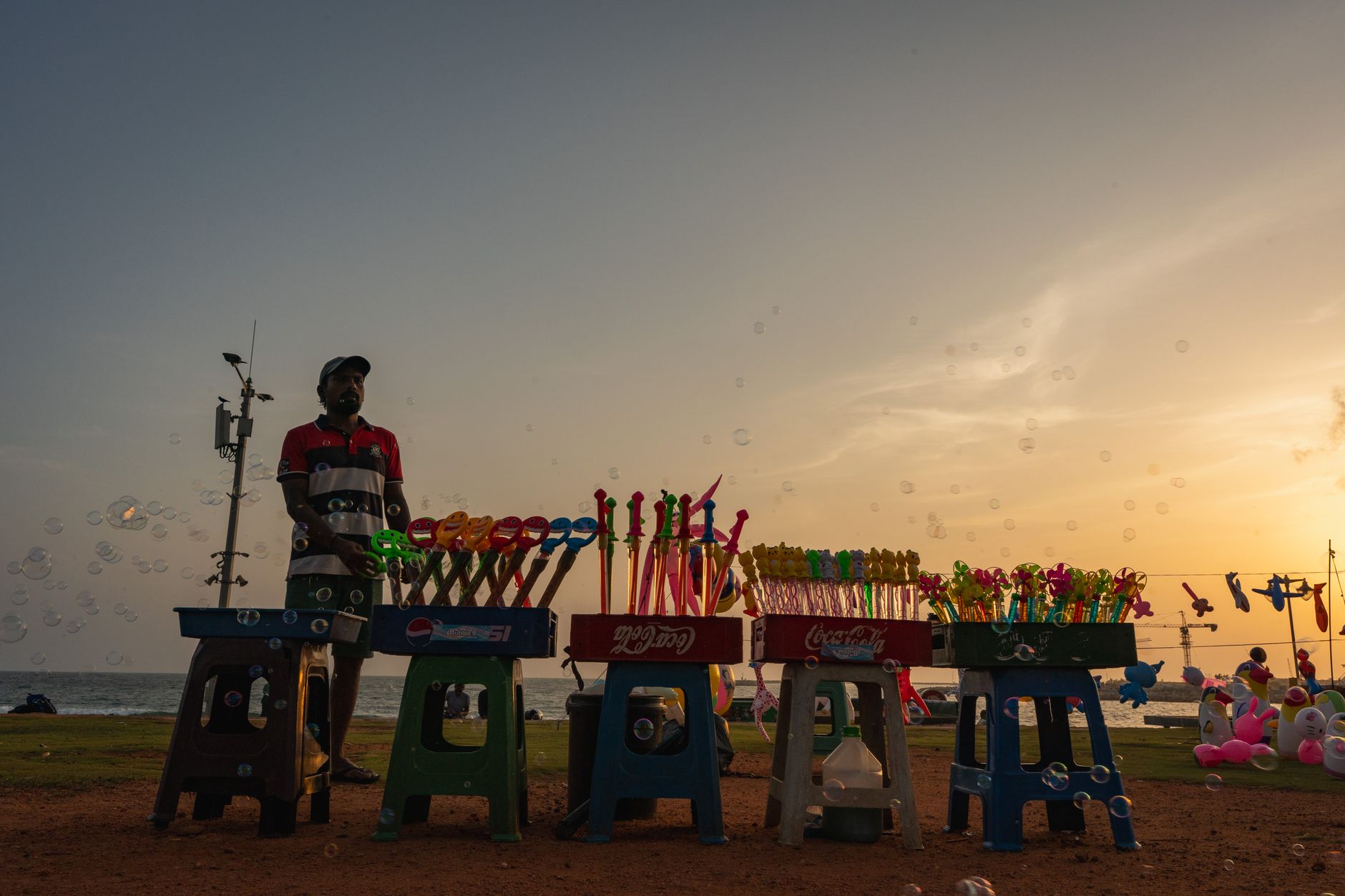
What is Passikudah Beach?
Passikudah is a crescent-shaped lagoon protected by a natural reef that stretches 5 km along Sri Lanka's eastern shore. The water rarely exceeds 2 metres deep near the beach and stays calm even when the open ocean churns. This makes it the safest place to swim on the east coast and the most beginner-friendly snorkelling spot in the country. The lagoon is backed by a narrow strip of sand, dense casuarina trees, and increasingly busy beach development.
Why Visit Passikudah?
Swimming safety is the main draw. The reef barrier and shallow depth mean no rip currents, minimal swell, and virtually no drowning risk if you stay in the marked zone. That matters if you travel with young children or simply prefer predictable water conditions.
Snorkelling is viable from the beach itself. You'll see parrotfish, sergeant majors, and small grouper within 20–30 metres of shore. Visibility is typically 8–12 metres. It's not dramatic coral, but it's enough to hold attention for 45 minutes without a boat.
Related: River Breeze Villa Bentota: Location, Rates & What to Expect
Related: Riviera Sri Lanka: Coastal Towns, Beach Culture & Travel Guide
Related: Nightlife and evenings in Negombo
Diving is offered from shore. Operators run boat trips to deeper reefs (18–25 metres) and wreck dives. The sites are modest compared to the south coast, but logistically simple: you walk to the boat, not ride for 90 minutes.
Solitude. Passikudah sees 5–10% of the tourist traffic that reaches Mirissa or Unawatuna. You'll share the beach with local families and a scatter of foreigners, not crowds.
When to Visit
Best season: November to April. The northeast monsoon delivers dry days, calm water, and clear skies. December–February is peak: warmest, driest, busiest.
Avoid: May to October. The southwest monsoon drives swell onto the east coast. Wave heights hit 1–2 metres, the lagoon churns, and visibility drops below 5 metres. Most hotels close or reduce staff.
Shoulder months: October and May are unpredictable. Rain squalls are common, and the water is still lumpy.
How to Reach Passikudah
From Colombo: 310 km, 6–7 hours by road via Kandy and Batticaloa. The A6 highway is well maintained but winding through the hills. Leave early (before 06:00) to avoid nighttime driving.
By bus: Colombo to Batticaloa (CTB intercity, 6 hours), then local bus 15 km south to Passikudah village. Slow but cheap (₨400–600). Not recommended if you have luggage.
By hired car: ₨8,000–12,000 per day including driver. Best option for comfort and flexibility. A/C makes the journey manageable.
By train: Colombo to Batticaloa (night train, 8 hours), then bus or tuktuk south. Scenic and atmospheric, but limited luggage space.
Nearest airport: Batticaloa (BIO), 50 km away. Daily flights from Colombo (45 min, ₨15,000–20,000 one-way). A car hire from the airport takes 90 minutes to Passikudah.
What to Do
Swimming. The main activity. The beach is never empty, so you're not alone if something happens. Water temperature is 26–28°C year-round; a rash guard is enough, no wetsuit needed.
Snorkelling. Hire a mask and snorkel on the beach (₨500–1,000 per day) or bring your own. Enter from the southern point of the lagoon where the reef is shallowest. Swim slowly and look for the coral heads; they're not spread across the entire bottom.
Diving. PADI Open Water and Advanced certifications available. Shallow reefs and wreck dives (former cargo vessel) are the main sites. Expect ₨6,000–8,000 per dive, including equipment. Book through your hotel or at the dive shop near the main beach access.
Turtle spotting. Loggerhead and green turtles nest on nearby beaches November–March, particularly around Kudumbigala. Local guides offer evening walks (₨2,000–3,000 per person). Sighting odds are moderate; don't expect guarantees.
Birdwatching. The lagoon margin and inland scrub attract herons, kites, and warblers. Best at dawn. Hire a local guide from the village (₨3,000 per half-day).
Beach walk. The sand extends 8 km south towards Valaichchenai. Walk the shoreline at low tide (roughly 06:00–11:00); return before high tide cuts off access. Bring water and a hat.
Practical Details
Accommodation: Guesthouses and beach resorts cluster around the main access road. Budget options (₨2,500–4,500) are family-run and simple. Mid-range (₨6,000–10,000) offer A/C, sea views, and restaurants. Book ahead December–February; rooms are tight.
Food: Beach shacks serve fresh grilled fish, kottu roti, and curries (₨400–900). Restaurants in nearby Batticaloa are more varied. Supermarkets stock Western goods in the city, 20 km north.
Money: The village has no ATM. Withdraw cash in Batticaloa. Mobile money (Dialog, Airtel) works but isn't universal for shops.
Gear: Snorkel hire is available but poorly maintained. Bring your own if you snorkel regularly. Sunscreen is crucial—UV is intense here.
Water: Tap water is unsafe. Drink bottled water (₨50 per litre) or ask your hotel to filter it.
Mobile signal: Excellent coverage (Dialog, Airtel, Hutch). Internet is available in hotels and cafés.
How Passikudah Compares
vs. Mirissa: Mirissa (south coast) has better restaurants, nightlife, and accommodation choice. But it's exposed to swell and rip currents, and crowded. Passikudah wins on safety and calm.
vs. Arugambe: Arugam Bay (50 km north) is a surf spot with strong currents and rough water. It's for experienced swimmers and surfers, not families.
vs. Unawatuna: Unawatuna (south coast) is warmer, sunnier, and more developed. Passikudah is quieter, cheaper, and safer for young children.
Verdict: Choose Passikudah if you want guaranteed calm water and peace. Choose elsewhere if you crave restaurants, bars, or dramatic scenery.
FAQ
Is the water warm enough to swim without a wetsuit? Yes. Even in January, water temperature is 26°C—comfortable for 2–3 hours of activity. A rash guard reduces sun exposure; optional for warmth.
Can you snorkel without a guide? Yes. The reef is visible from shore, and the lagoon is shallow and safe. Wade in from the southern end and snorkel parallel to the beach. Stay in sight of other swimmers. A guide adds context about fish species but isn't necessary for safety.
Is it safe to swim at night? No. The beach has no lighting, and visibility is nil. Night swimming invites strong currents and disorientation. Stick to daylight hours.
What's the nearest decent hospital? Batticaloa Teaching Hospital is 20 km north, well-equipped and staffed. For minor cuts or stings, the beach medical post (open 08:00–17:00) handles first aid.