Places to Stay in Mirissa, Sri Lanka: A Complete Guide
Mirissa's compact geography means your accommodation choice shapes your experience more than the destination itself. Whether you want sunrise views over whale-watching departure points or peace from the evening beach bars, the village splits into distinct zones—each with a different flavour and practical advantage.
What are the main accommodation zones in Mirissa?
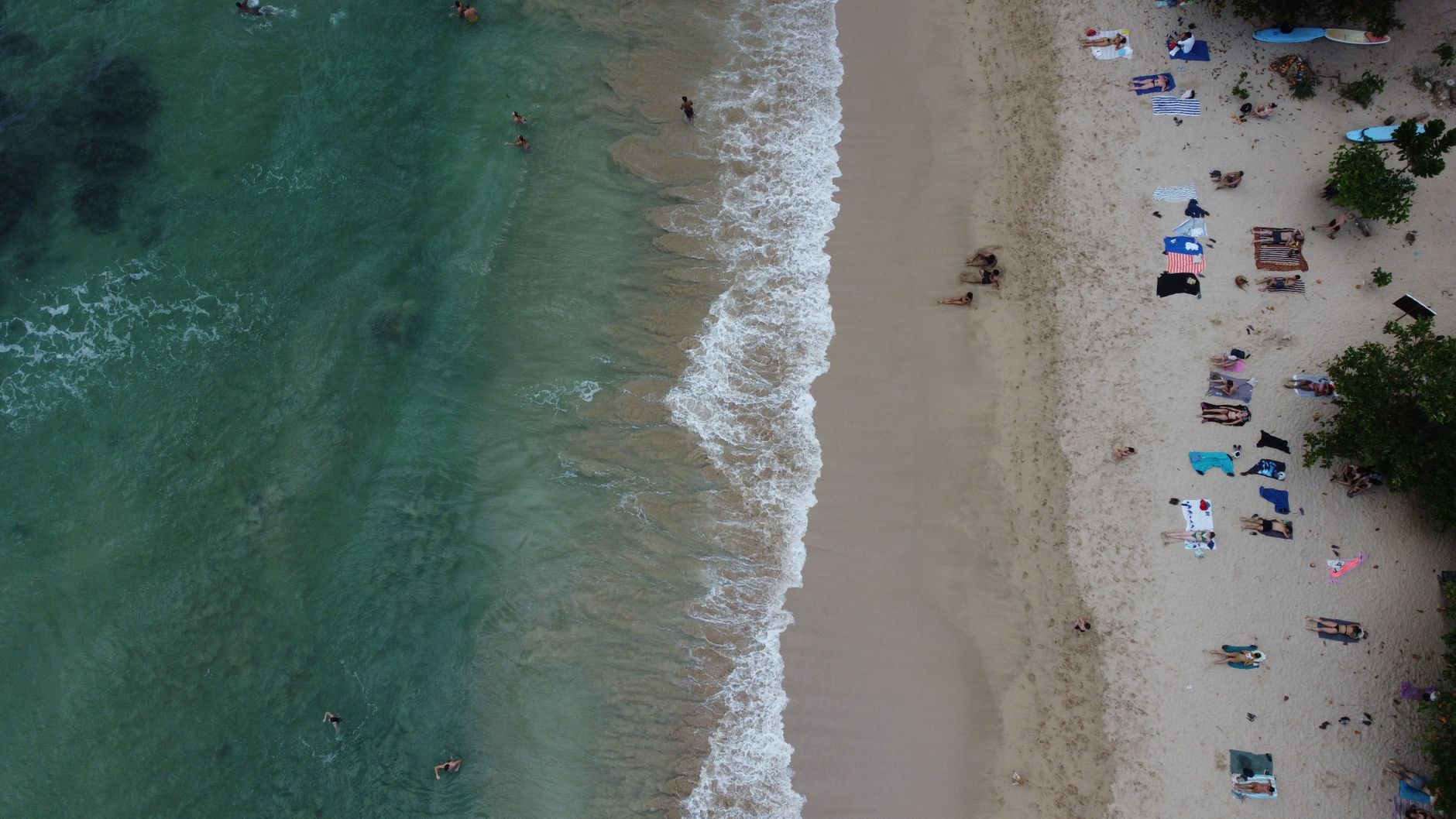
Mirissa divides into three practical areas. The beach itself runs about 400 metres of pale sand backed by a strip of restaurants, bars, and seafront guesthouses. You'll wake to the sound of breaking waves and can wade straight in. The clifftop sits 50–100 metres back and 30 metres up—quieter, cooler in sea breezes, with views across the bay to whale-watching boats. The main junction (where the coastal road forks) clusters backpacker hostels, cheap eats, and tour operators; it's the social hub but noisier, especially evenings.
Your lodging location directly affects logistics. Staying beachfront means a 5–10 minute walk to the whale-watching embarkation point and restaurants, but you'll hear beach bar music until midnight. Clifftop rooms offer silence and perspective but require walking downhill for breakfast and uphill when returning laden with shopping.
Related: Ayurveda Health Retreats in Sri Lanka: Complete Guide
Related: Vavuniya with Family: What Works and What to Skip
Related: Is Gal Oya Worth Visiting? An Honest Take
Beachfront Guesthouses: Access and Noise Trade-offs
Beachfront options range from budget guesthouses (£10–25 per night) to mid-range hotels (£40–80). You sleep steps from the sand and can stumble downstairs for breakfast whilst still damp from a dawn swim. Most serve decent rice-and-curry and offer booking services for whale-watching tours—essential in season (November–April and June–July, when blue whales and sperm whales pass offshore).
Reality check: beachfront means evening noise. The strip hosts 4–6 beach bars, most with live music, DJ nights, and poolside speakers. If you're a light sleeper or seeking quiet, ask specifically for a rear-facing or upper-floor room when booking. Many guesthouses close their beachfront sections during off-season (May–September) when few tourists arrive.
Clifftop Guesthouses: Quiet with a View
Climb the concrete stairs behind the main beach area and you enter a different Mirissa. Clifftop guesthouses sit 50 metres back from the noise, overlooking the entire bay. Rooms cost slightly more (£15–40) but offer genuine solitude—you'll hear only waves, bird calls, and the occasional motor scooter.
The trade-off is walking. Your legs carry groceries up 50 metres of steps every return visit. Getting to restaurants means a 10–minute downhill trek. Morning whale-watching tours usually collect guests from the beach or main junction, so you'll walk anyway. But for reading, working, or sleeping without distraction, the clifftop wins decisively. Many clifftop places are smaller, family-run affairs with personalised service.
Backpacker Hostels: Social Scenes Near the Junction
The main road junction—where the coastal route forks—is backpacker central. Dorm beds run £5–12, private rooms £12–20. You're surrounded by budget travellers, tour operators, and cheap food spots. Wi-Fi is reliable. Tour booking is convenient (whale watching, snorkeling, surfing lessons all arranged on your doorstep). Evening socialising happens naturally—groups form at hostels and migrate to beach bars.
Downsides: expect noise from road traffic during the day, sometimes from fellow guests at night. Rooms are smaller and share facilities. Cleanliness varies; reputable places maintain high standards, but older hostels can feel worn. If you value solitude or sleep lightly, this area suits you only if the backpacker vibe appeals.
Hidden Gem: Quiet Accommodation Outside the Village Centre
Village outskirts (accessed by rough tracks inland or further east along the coast) host small guesthouses where isolation is genuine. You'll have few neighbours, minimal English signage, and will need a scooter or organised transport. These suit travellers happy to sacrifice convenience for tranquillity and should expect basic facilities. Advance booking via email or WhatsApp is essential since these places rarely use online booking sites.
Best Time to Visit and Booking Strategy
Mirissa's peak season runs November–March (dry weather, blue whale sightings, cool evenings). Book 4–6 weeks ahead if you need specific room types or beachfront access during these months. Mid-May–August sees fewer tourists; many places offer discounts and you'll find beach bars quieter.
When booking, ask directly about noise levels, room position (sea-facing or back), and whether the premises close seasonally. A £2–5 WhatsApp call to the owner clarifies what online listings leave vague.
Practical Matters: Water, Power, and Connectivity
All tourist-standard accommodation in Mirissa has consistent mains water and electricity. Backup generators are standard during occasional outages (rare but possible during monsoon). Wi-Fi is reliable in beachfront and junction areas; clifftop places have adequate but sometimes slower connections. Mobile data (Airtel or Dialog SIM cards, purchased at the airport) is a backup.
Washing laundry is cheap (£0.50–1 per kg) at services near the junction. Most guesthouses arrange laundry for a small fee.
Related Guides
For context on Mirissa itself, explore the best time to visit southern Sri Lanka to align your stay with whale season or calm seas. Read about things to do in Mirissa to plan activities beyond your accommodation's location. If you're exploring the wider coast, Ella offers mountain alternatives just inland, and Matara provides a nearby larger town base.
Frequently Asked Questions
Is it worth paying more for beachfront? Only if you swim daily and value instant beach access over quiet. Clifftop guesthouses put you 50 metres further out but cost less and offer peace. For whale watching, both zones are equidistant from the embarkation point.
Can I negotiate prices directly with guesthouses? Yes, especially off-season (May–September). Dropping in and asking about weekly discounts often works. Online platform prices (Airbnb, Booking.com) are sometimes higher than a direct email quote, particularly for longer stays.
Which zone is best for families travelling with children? Beachfront is most convenient (kids can wade whilst you sip tea), but clifftop guesthouses often have better layouts and quieter environments for sleep. Avoid the junction—cramped rooms and evening foot traffic aren't family-friendly.
Do I need a scooter if staying in Mirissa? No—everything walkable from each zone reaches restaurants, shops, and tour operators on foot. A scooter (£10–15/day rental) helps explore neighbouring beaches (Weligama, Unawatuna) but isn't essential for the village itself.