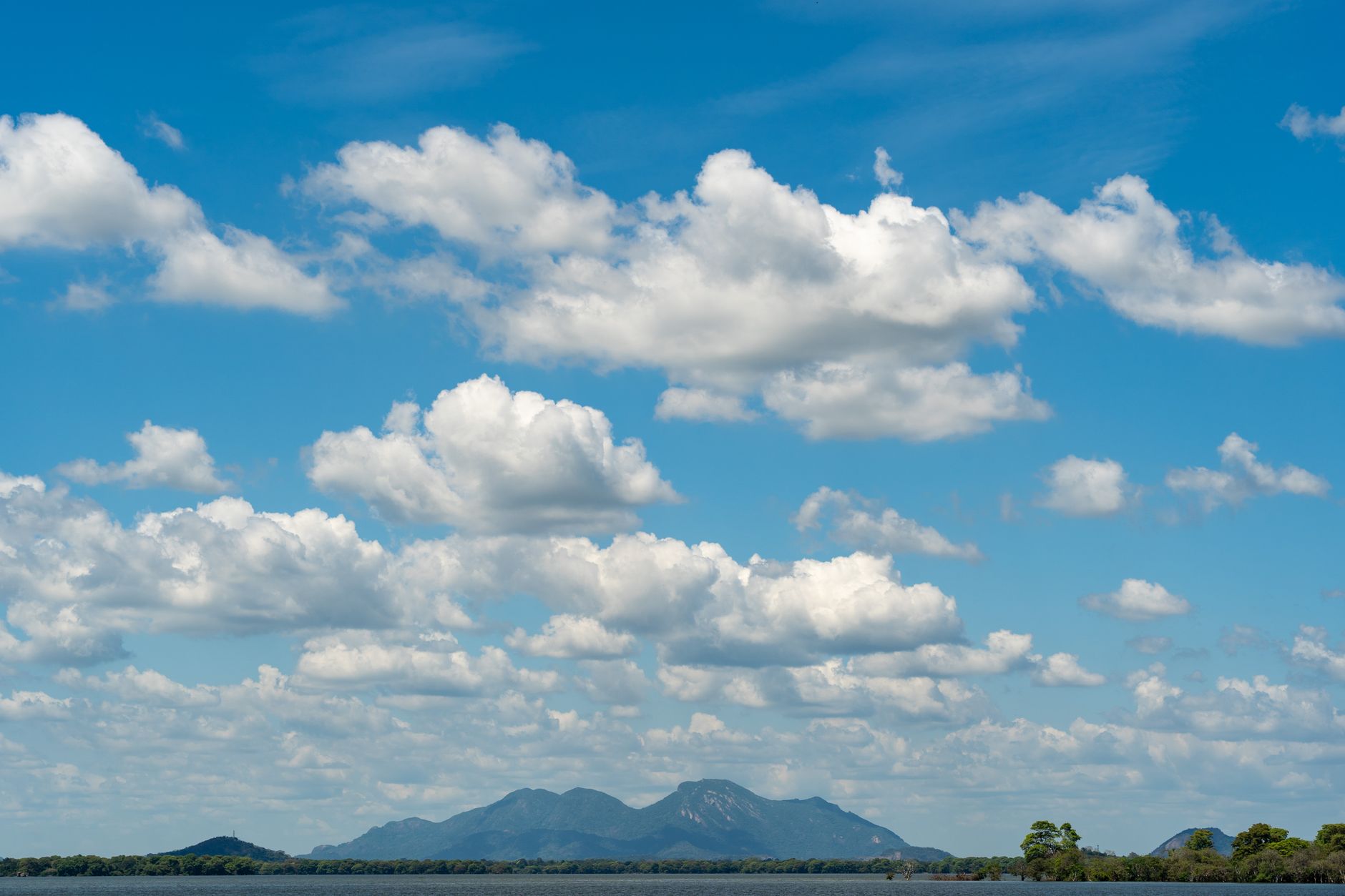
Gal Oya is worth visiting if you prioritise wildlife, birdwatching, and peaceful lake scenery over infrastructure and convenience. It's a specialist destination—not a mainstream highlight like Sigiriya or the south coast. Expect boat safaris, 30+ mammal species, and relative isolation. Most visitors spend 2–3 days. Access requires planning. If you're short on time or prefer ease of travel, skip it.
What makes Gal Oya distinctive?

Gal Oya Lake, a man-made reservoir in eastern Sri Lanka, is the park's draw. Boat safaris move slowly through shallow waters where elephants bathe and water birds congregate. This isn't a typical game drive destination; it's water-based, which limits visibility but attracts wildlife habituated to boats. The park covers 630 km² and sees fewer tourists than Yala or Udawalawe.
Ratings are strong. Gal Oya Lake Club (5-star, 9.8/10 from 21 reviews) and Gal Oya Lodge (4-star, 9.2/10 from 10 reviews) consistently score highly, suggesting good operator quality. Wild Glamping Gal Oya - Thema Collection (10.0/10 from 2 reviews) offers budget-friendly camping.
Related: Best Places in Sri Lanka for Wildlife Safari
Related: Horton Plains, Sri Lanka: A Guide to the Misty Highlands
Related: Wadduwa for Solo Travellers: Safety and Practical Tips
Wildlife and birdwatching: The real story

Gal Oya hosts 30+ mammal species: elephants, leopards, sloth bears, wild boar, and deer. Crocodiles are present in the lake. The park is a declared Important Bird Area (IBA) with 200+ species recorded. Migratory birds peak October–March. If you're a serious birdwatcher, this justifies a visit.
Elephant sightings aren't guaranteed, but boat safaris offer a calm alternative to vehicle-based parks. Guides move quietly at dawn and dusk, increasing encounter odds. Expect to see water monitors, kingfishers, and cormorants regularly. Mammals require patience.
Getting there and logistics

Gal Oya is 380 km east of Colombo, roughly 7–8 hours by road. The nearest town, Ampara, is 25 km away. There's no airport nearby; you'll fly into Colombo or Bandaranaike and drive. Most visitors hire private transport (£40–60 per day) or book operator shuttles (usually included with accommodation).
Road quality varies; hire a driver familiar with eastern routes. The journey itself costs time and money, making Gal Oya less suitable for short holidays.
Best time to visit
October to March is optimal: cooler temperatures, lower rainfall, and migratory birds. July–September sees monsoon rains and occasional flooding; some operators reduce activity. May–September also brings heat and humidity inland. Dry season (December–February) is peak; book 2–3 months ahead.
Accommodation options and costs
Gal Oya Lake Club is the premium choice: 5-star with boat safaris, meals, and guides included. Expect £150–200 per night. It's the most established operator and justifies costs via experience and consistency.
Gal Oya Lodge (4-star) offers comfort at lower cost, roughly £80–120 per night. Similar services, slightly simpler amenities. Both include safaris; verify before booking.
Wild Glamping Gal Oya - Thema Collection is budget-focused: expect £30–50 per night for canvas accommodation and shared facilities. No frills, but clean and sociable.
GreenBees Nature Farm (4-star) is an agritourism option near Gal Oya; useful if the lake fills, or for non-wildlife-focused visitors. Around £60–90 per night.
Gal Oya Valley Cottages and CANBO HOTEL are budget alternatives; less-reviewed but cheaper (£20–40). Verify current conditions before booking.
How many days to spend?
2–3 days is standard: one day for two safaris (dawn and dusk), one full day for a long boat trip or hikes, and one travel buffer. If wildlife photography is your focus, extend to 4 days. Day visits from nearby towns (Batticaloa, Ampara) are possible but waste time on roads.
Is it crowded?
No. Gal Oya sees 10,000–15,000 annual visitors versus Yala's 100,000+. Boats are small (8–12 people) and staggered by accommodation operators. You'll rarely encounter other tourists on water. This is a primary draw.
Honest downsides
Access: The eastern approach means a long journey from Colombo or the hill country. It's not on a straightforward tourist circuit.
Unpredictable wildlife: Boat safaris don't guarantee sightings. Dry seasons are better, but even then, elephants are elusive. If you need to see wildlife, Yala or Udawalawe are more reliable.
Monsoon risk: July–September brings rain and occasional flooding. Some operators reduce or halt trips. Check operator schedules before visiting.
Limited additional activities: Gal Oya is focused. Nearby towns (Ampara, Batticaloa) have modest tourism infrastructure. It's not a multi-activity destination like Kandy or the south coast.
Hot, humid: May–September is sweltering inland. Heat-sensitive visitors should avoid or book accommodation with strong air conditioning.
Who should visit Gal Oya?
- Birdwatchers (October–March peaks)
- Wildlife photographers seeking solitude
- Visitors with 5+ days in Sri Lanka seeking off-the-beaten-path experiences
- Those comfortable with longer journeys and unpredictable wildlife sightings
Who should skip it?
- Time-limited visitors (under 7 days in country)
- Expect-guaranteed-wildlife travellers
- Preference for infrastructure, restaurants, and activities beyond nature
- Monsoon season travel (July–September)
Verdict
Gal Oya is worth visiting if you value quiet nature and specialist wildlife watching over convenience. It's genuinely good; ratings prove operator quality. But it's a deliberate diversion, not a must-do. If you have time, wildlife interest, and willingness to travel, go. If you're time-pressed or seeking mainstream highlights, prioritise the south coast or hill country instead.
What to combine with Gal Oya
If flying into eastern Sri Lanka (rare), Gal Oya works with Batticaloa (beaches, lagoons) or Trincomalee (snorkeling) as a multi-day circuit. From the west, it's a standalone 2–3 day detour. Most travellers combine it with the east coast or reach it from Kandy via Dambulla and Sigiriya (8–10 hours by road).
Related: /ella and /ella/best-time-to-visit are hill-country alternatives with easier access and more amenities. Gal Oya is the specialist's choice.
FAQ
Can I visit Gal Oya on a day trip from Colombo? No. 7–8 hours each way makes it impractical. Plan 2–3 nights minimum.
Which lodge offers the best wildlife experience? Gal Oya Lake Club (9.8/10) edges Gal Oya Lodge (9.2/10) on consistency and guide expertise. Both include safaris. If budget is tight, Wild Glamping (10.0/10) is clean but offers fewer guided services.
Is Gal Oya worth visiting in monsoon season? No. July–September brings flooding and heat. October–March is optimal; book early.
How reliable are elephant sightings? Not guaranteed. Dry season (December–February) improves odds to 40–60%. Boat safaris are slower, so you'll see birds and water-dependent animals reliably, but mammals require patience.