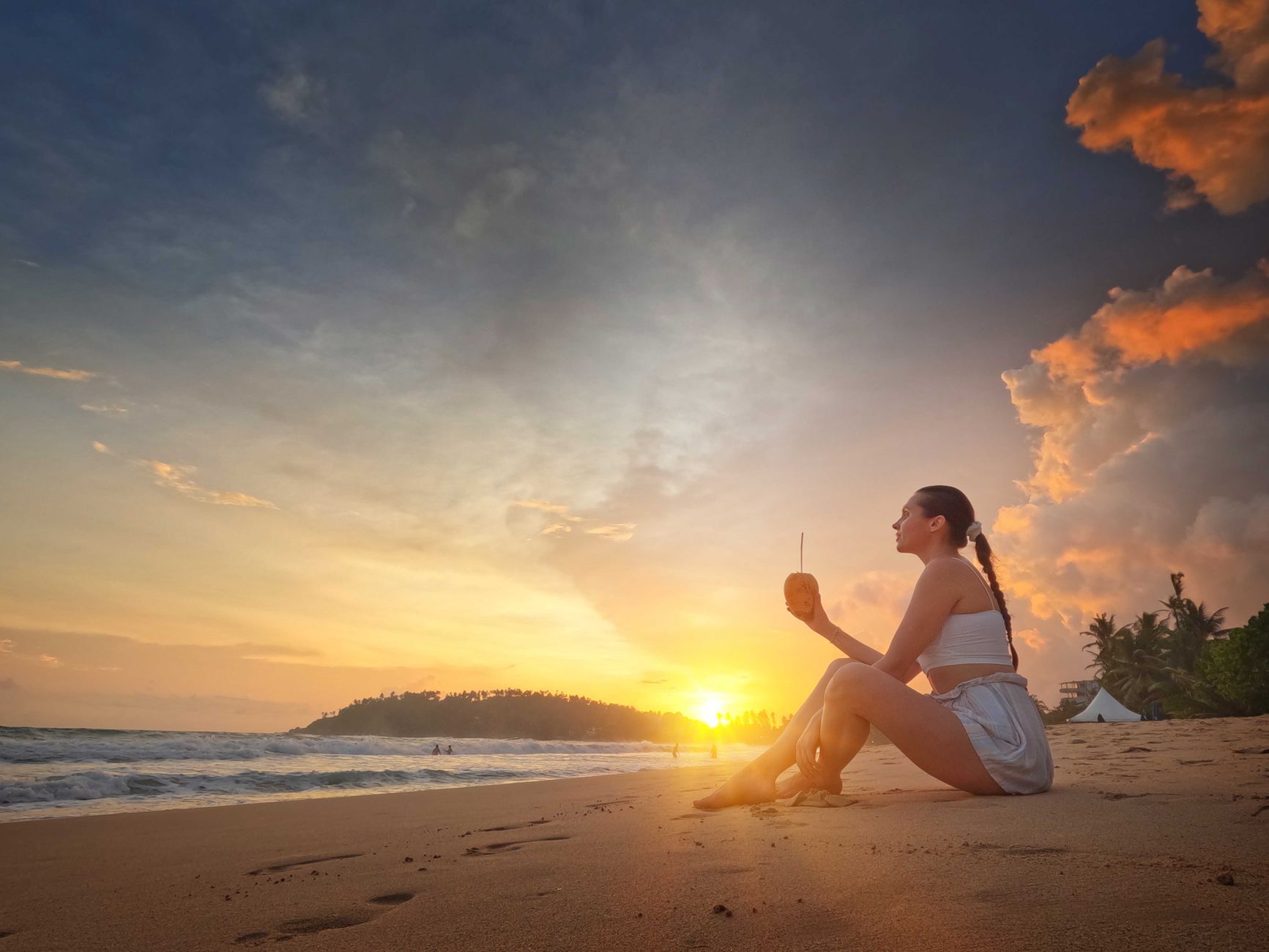
Mirissa accommodation splits into three clear zones: beachfront, village centre, and quiet hillside locations 500–1000 metres inland. Prices vary sharply by season and proximity to sand. High season (December–February) costs 40–60% more than shoulder months.
What's the price range in Mirissa?
Beachfront villas run £40–£150 per night depending on size and season. Mid-range guesthouses cost £20–£50. Hostels offer beds for £8–£15. During monsoon season (May–September), expect 30–50% discounts across all categories.
Direct booking with owners saves 10–20% versus booking sites. Many guesthouses have no online presence—email or WhatsApp directly for rates.
Related: Hiking in Sri Lanka: Best trails, seasons and practical tips
Related: Doubletree by Hilton Weerawila Rajawarna Resort: Location, Amenities & Wildlife Access
Related: Habarana for Solo Travellers: Safety and Practical Tips
Which areas offer the best value?
Beachfront: Premium prices (£60–£150/night) but walkable to restaurants, water sports, and bars. Sunset views included. Best for couples; can feel crowded December–January.
Village centre: £25–£60/night. 100–300 metres from beach. Quieter than beachfront but still close to shops and cafés. Suits families and groups well.
Hillside/Back village: £15–£40/night. 500+ metres from beach. Cheaper, genuinely peaceful, but requires walking or tuk-tuk (£1–2) to reach water. Best value for budget travellers staying 5+ nights.
What type of accommodation suits different travellers?
Solo travellers and backpackers: Hostels offer dorm beds (£8–£12/night) and easy socialising. Three hostels operate year-round in the village centre. WiFi is standard; hot water varies.
Couples: Beachfront guesthouses (£50–£120/night) deliver private rooms, sea views, and sunset terraces. Mid-range options (£35–£60/night) give privacy without premium prices.
Families: Village centre guesthouses with multiple rooms cost £50–£100/night. Many have kitchenettes, critical for families with young children (restaurant food can be chilli-heavy).
Extended stays (7+ nights): Negotiate weekly discounts (15–25% typical). Hillside villas and homestays offer best value. Sri Lankan owners often reduce rates significantly for monthly bookings.
How far is accommodation from key spots?
Mirissa beach is 400 metres long. Most hotels sit within 300–500 metres of it. The main beach entrance (where fishing boats launch) sits centrally; eastern end is quieter, western end noisier (restaurants, bars). Turtle hatchery is 2 km west via coastal road—bike hire costs £2–3/day.
Mirissa is 42 km from Matara railway station (30–40 minutes by bus) and 28 km from Unawatuna beach. Galle is 30 km away (90-minute tuk-tuk, £12–15).
What facilities should you expect?
Budget hostels and guesthouses: Air conditioning (or fan) standard. Hot water usually available but inconsistent. WiFi spotty but improving. Squat toilets in the cheapest places; modern flush toilets typical above £20/night. Electricity cuts are rare but possible during monsoon.
Mid-range guesthouses: En-suite bathrooms, reliable hot water, air-con or ceiling fans, strong WiFi, and often a small restaurant downstairs.
Beachfront villas: Kitchenettes, private patios, pool access (some), quality mattresses, and 24-hour water supply. Some lack oven/stovetop (cooked meals provided instead).
Cooking facilities are uncommon except in villas and homestays. Most guests eat at beach restaurants (mains £2–6 USD).
Best time to book?
Book beachfront accommodation 4–6 weeks ahead for December–February. Mid-range places need 2–3 weeks' notice. Hostels can fill a week before arrival even in shoulder season. Off-season (May–September) has last-minute availability and 50% discounts, but afternoon rain is daily and monsoon swells make swimming unsafe.
See best time to visit Mirissa for seasonal detail.
How to find accommodation?
Booking sites (Booking.com, Agoda) list most mid-range and beachfront places but charge 15–25% commission. Many smaller guesthouses omit online listings. Ask previous visitors or search "Mirissa guesthouse" on Facebook groups—owners often respond with direct rates within hours.
Walking the beach in the late afternoon reveals places with availability signs. Negotiate day-of arrivals down 20–30%, especially in shoulder season.
Should you pre-book or decide on arrival?
Pre-booking secures rooms December–February. May–September, showing up saves money; expect same-day deals and owner negotiations. Mid-March to mid-April (Easter period) requires advance booking despite shoulder-season discounts.
Key comparison: beachfront vs. hillside
| Aspect | Beachfront | Hillside |
|---|---|---|
| Price | £60–£150/night | £15–£40/night |
| Noise level | High (bars close midnight) | Quiet |
| Convenience | 30-second walk to beach | 10-minute walk |
| Views | Sunset guaranteed | Village and rice paddies |
| Best for | Couples, short stays | Families, budget travellers |
FAQ
Is Mirissa safe for solo female travellers? Yes. Beachfront and village-centre guesthouses cater to solo visitors. Avoid walking alone past 10pm on the beach road; take a tuk-tuk (£1–2). Hostels offer safe social environments.
Can I negotiate rates directly with owners? Yes, especially for stays over 5 nights. Email or WhatsApp 10–14 days before arrival. Expect 15–25% discounts for weekly bookings.
Which area has the best nightlife? Western beachfront (near beach entrance) has 4–5 bars and restaurants open until midnight. Village centre is quieter. Hillside areas have no nightlife.
Is air-conditioning essential in Mirissa? Fans usually suffice March–October. December–February, AC is valuable but not essential; sea breeze helps. Hostels may not have it—request fan-only rooms if saving money.