Habarana for Solo Travellers: Safety and Practical Tips
Habarana is genuinely welcoming for solo travellers—it's compact, well-organised for tourism, and positioned perfectly between Sigiriya and Dambulla. Safety is strong here; the main challenge is logistical independence rather than personal risk. This guide covers transport, trustworthy tour operators, budget-friendly stays, and realistic solo pacing.
Is Habarana safe for solo travellers?
Yes. Habarana has a mature tourism infrastructure with police presence, reliable guesthouses, and established tour networks. Petty theft is rare; violent crime affecting tourists is nearly non-existent. The town is small enough that you'll recognise faces quickly, and locals are accustomed to independent travellers.
That said: don't wander isolated areas after dark, keep valuables in your room safe, and use registered taxis or pre-arranged transport. Women solo travellers report no serious issues, though unwanted attention can happen in busy market areas—standard precautions (modest dress, headphones, moving with purpose) apply.
Related: Mirissa with Family: What Works and What to Skip
Related: Mawella Beach: A Quieter South Coast Escape
Related: Best Places in Sri Lanka for Wildlife Safari
How do solo travellers get around Habarana?
Within town: Walk or use tuk-tuks. The town centre is compact—most guesthouses, restaurants, and the main transport hub (Habarana junction) are 5–20 minutes on foot. Tuk-tuk rides around town cost 200–400 LKR.
To nearby sites:
- Sigiriya Rock (15 km, 30 mins): Hire a tuk-tuk for a full day (2,500–4,000 LKR return, negotiable). Alternatively, join a guided tour through your hotel (usually 4,500–6,500 LKR including entry and guide).
- Dambulla Cave Temple (21 km, 40 mins): Same tuk-tuk or tour route.
- Minneriya National Park (15 km, 30 mins): Best via tour operator; solo jeep hire is expensive (around 12,000–15,000 LKR for 3–4 hours).
- Polonnaruwa (55 km, 1.5 hours): Tuk-tuk day hire or organised day tour.
Inter-city buses: From Habarana junction, direct buses to Kandy (2.5 hours, 300–400 LKR) and Anuradhapura (1.5 hours, 150–200 LKR) run regularly. Book in-station; they fill quickly in season. Buses are crowded but safe.
Where should a solo traveller stay?
Budget-friendly (under 3,500 LKR/night): The Other Corner Hotel is small, welcoming to solos, and centrally located. Staff are patient with questions. Rating 9.0/10.
Mid-range (3,500–8,000 LKR/night): Habarana Village by Cinnamon strikes the best balance—reliable, organised tour desk, good restaurants, and active solo travellers stay here. Rating 9.0/10. Kumbukgaha Villa is quieter, excellent value, and the staff are genuinely helpful with independent planning. Rating 8.8/10. Camellia Resort and Spa offers more space and amenities without premium pricing. Rating 8.5/10.
Comfort-focused (8,000–15,000 LKR/night): Cinnamon Lodge Habarana is professional, with strong tour infrastructure and a reliable restaurant. Rating 8.9/10. Aliya Resort & Spa - Thema Collection is excellent for solo travellers who want privacy and quality without isolation. Rating 9.0/10.
Luxury and specialist (15,000+ LKR/night): Taru Villas Maia - Habarana is small and intimate—ideal if you want comfort with personality. Rating 9.7/10. Sigiriya Forest Edge by Marino Leisure is closer to Sigiriya and exceptional for solo nature-focused travellers. Rating 9.6/10.
Avoid booking rock-bottom guesthouses without reviews; comfort and staff reliability matter more when travelling alone.
What tours should solo travellers book?
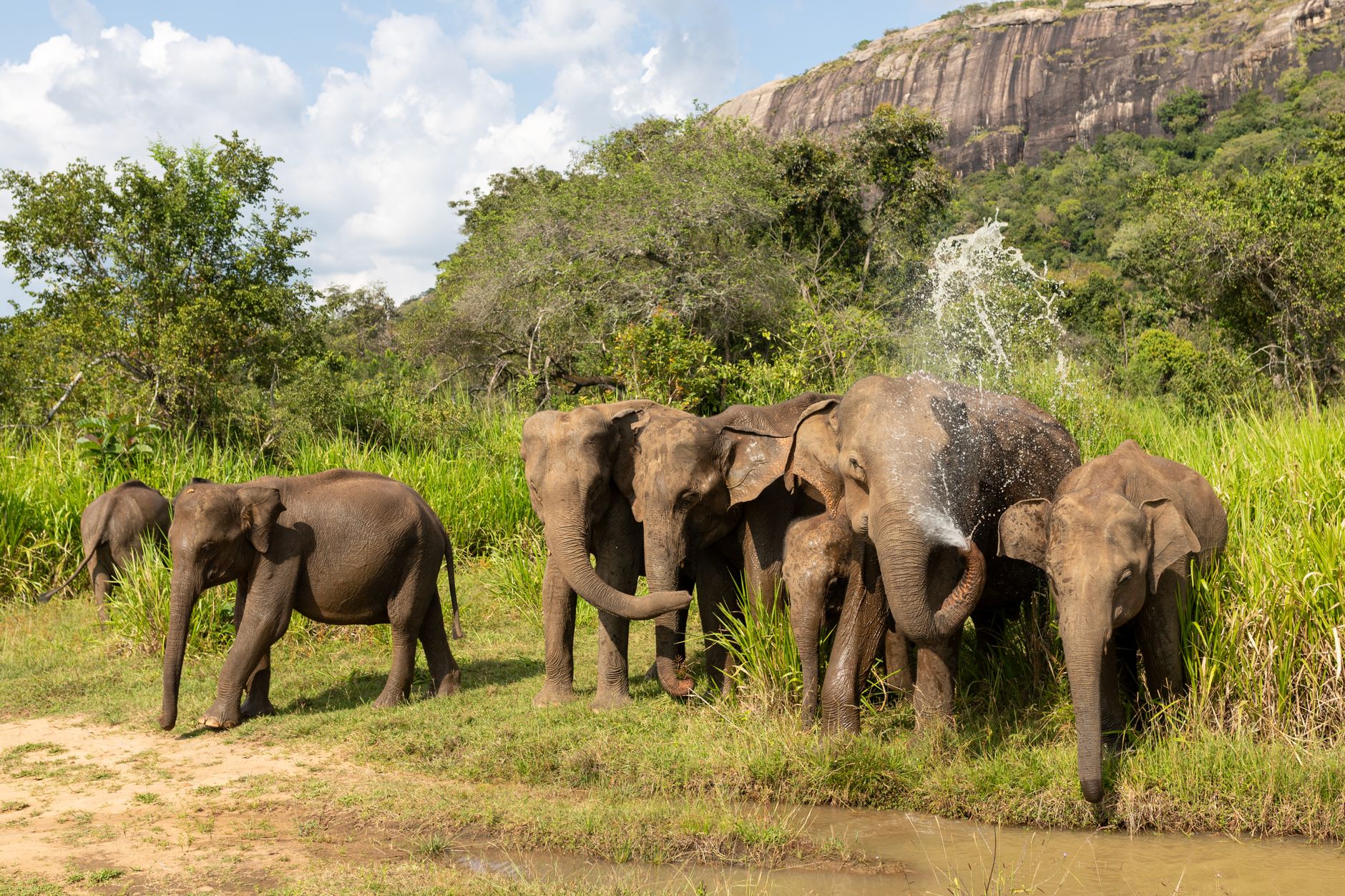
Jeep safaris (Minneriya/Kaudulla): Book through your hotel. Most tours run 5:30–9 a.m. or 3–6 p.m. (2–3 hour sessions, 8,000–12,000 LKR). You'll typically share a jeep with 2–4 other tourists. Elephant sightings are common; water buffalo and sambar deer are guaranteed. Early morning is best.
Sigiriya Rock climb: Go independently or guided. Solo, you pay entry (5,400 LKR) plus optional guide (around 2,000 LKR). The climb takes 1–2 hours; it's steep but well-marked. Go early (6:30–8 a.m.) to avoid crowds and midday heat.
Dambulla Cave Temple: Entry is 2,500 LKR. You don't need a guide, but hiring one (1,500–2,500 LKR) adds real context. Five caves, Buddha statues, golden roof—allow 1.5–2 hours.
Guided cultural/village tours: Hotels arrange these (4,000–6,000 LKR, 2–3 hours). You'll visit traditional homes, rice paddies, and artisans. Quality varies; ask your hotel which guides they trust.
Avoid: Unmarked or unofficial guides at the town junction. Prices are lower but quality and safety are unpredictable.
What should solo travellers know about local customs and practicalities?
Dress: Temples require covered shoulders and knees. Shorts above the knee are common in town but disrespectful at religious sites. Bring a sarong or lightweight trousers.
Photography: Ask before photographing people or inside temples. Some monks and locals are welcoming; others aren't.
Language: English is widely spoken in hotels and tourist areas. Sinhala is the official language; learning "thank you" (dhanyavaad) and "hello" (ayubowan) pays off.
Money: ATMs are available in town. Cards are accepted at larger hotels and restaurants; small guesthouses and local eateries need cash. Haggle gently in markets; prices for tourists are often inflated.
Food and water: Tap water is not reliably safe; buy bottled. Street food is delicious but eat where locals do—high turnover = fresh food. Avoid salads at budget places.
Timing: Many sites close by 5 p.m. Plan activities accordingly. Rainy season (May–September, November–December) means fewer tourists and lower prices but muddy jungle trails and safari cancellations.
How long should a solo traveller spend in Habarana?
2–3 days: See Sigiriya and Dambulla, do one safari. Minimum for a comfortable first-timer.
4–5 days: Add Polonnaruwa, a village tour, and time to sit and breathe. Most solo travellers find this sweet spot.
6+ days: Expand to Minneriya's lake walks, day trips to smaller temples, or day trips to Kandy or Anuradhapura. Also gives flexibility if weather cancels a safari.
Practical packing and safety checklist
- Sunscreen and hat: Non-negotiable; midday sun is intense.
- Insect repellent: Mosquitoes are active at dusk.
- Sturdy shoes: Rock climbing and jungle trails require ankle support.
- Cash backup: Keep 5,000–10,000 LKR separate from your main wallet.
- Phone number of your hotel: Write it down; internet can fail.
- Travel insurance: Essential; check it covers activity-based travel.
- Copies of documents: ID, visa, insurance—store separately from originals.
FAQ
Q: Can I climb Sigiriya alone, or do I need a guide? A: You can climb alone. The route is well-marked and busy with other tourists, so navigation is straightforward. A guide is optional but adds historical depth. Hire one at the ticket booth (around 2,000 LKR) if interested; otherwise, a good guidebook suffices.
Q: Is it unsafe to take a tuk-tuk alone at night? A: Not particularly, but avoid it. Arrange your transport before dark—ask your hotel to call a tuk-tuk or pre-book. If you must use one, confirm the price beforehand and use your phone to share your location with someone.
Q: What's the best time for solo travel to Habarana? A: January–March and July–August are peak season (dry, crowded, pricier). October–November is quieter, greener, and slightly cheaper. Avoid May–June and September–October if heavy rain concerns you. For more on climate and timing, see our Habarana best time to visit guide.
Q: Should I book tours in advance or on arrival? A: Book big activities (Minneriya safaris) on arrival once you've met your hotel staff—they know current conditions and guide quality. For Sigiriya and Dambulla, you have total flexibility; go when you feel energised. This autonomy is part of solo travel's appeal.