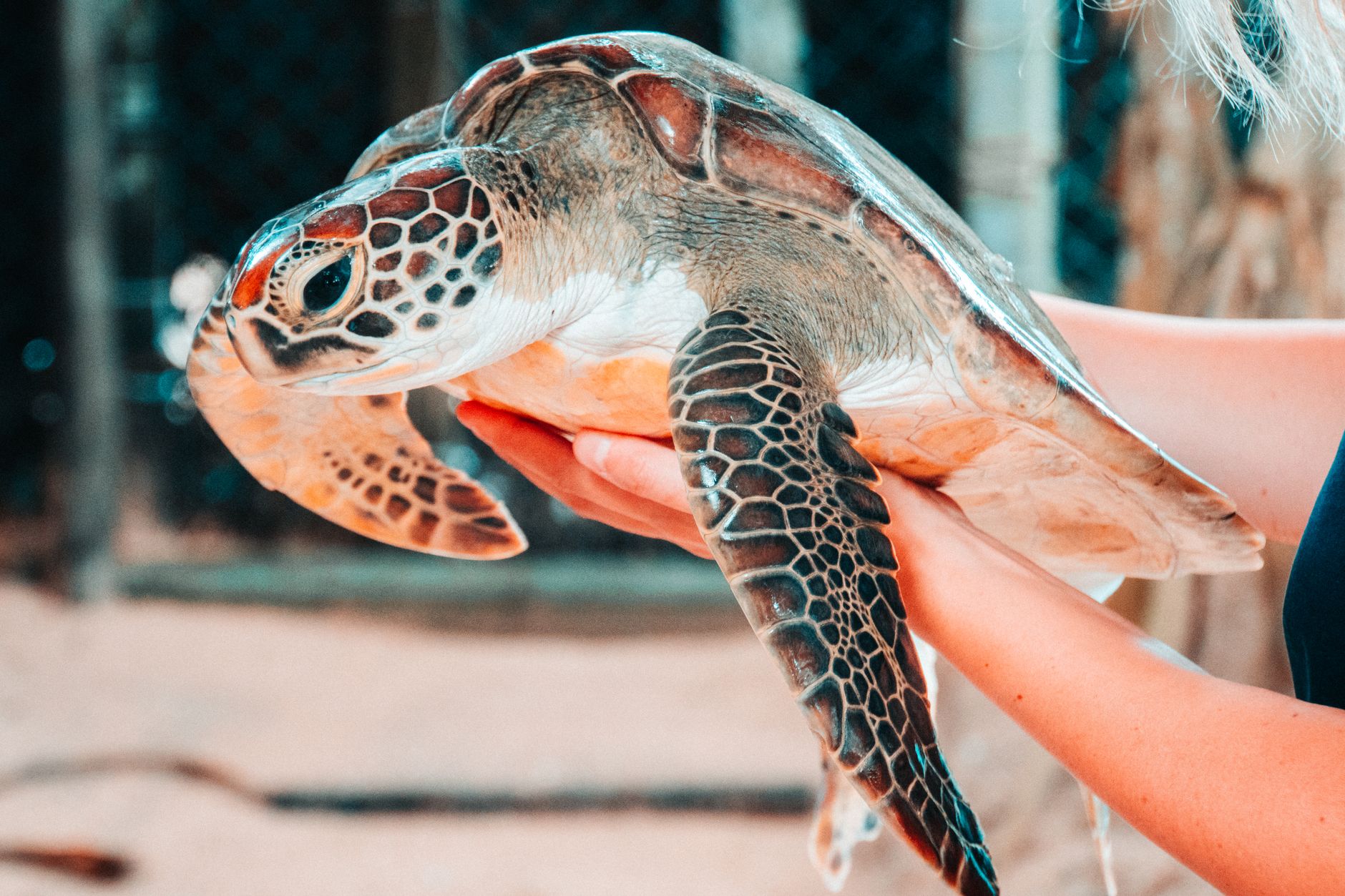
Ahungalla Sea Turtles Conservation Project
Ahungalla's small but dedicated turtle conservation initiatives focus on protecting nesting beaches along Sri Lanka's south coast and rehabilitating injured or sick animals before release. Unlike larger tourism-centred programmes, the work here remains genuinely community-driven, managed by local fishermen and conservation-minded residents who have watched turtle numbers decline over decades. Visitors can engage meaningfully by participating in beach patrols during nesting season (November to April), supporting rescue efforts, or simply learning how to minimise harm during casual beach time.
Who runs the conservation work in Ahungalla?
The turtle protection effort in Ahungalla operates through informal networks of local fishermen, beach residents, and occasional support from national wildlife organisations. Unlike branded eco-tourism ventures, the operation here is deliberately low-key—volunteers and staff work mainly during peak nesting months, protecting eggs from poachers and natural predators whilst documenting nest locations. A handful of locals have trained in basic veterinary care to treat injured turtles, particularly those injured by fishing nets or boat propellers, before attempting rehabilitation and release.
This grassroots approach means logistics can feel unstructured compared to larger Sri Lankan conservation sites, but it also means your contribution goes directly to people and activities with tangible local impact. Most organised involvement happens through informal arrangements with beach hotels or by contacting local guides who have connections to the project.
Related: Sri Lanka Hotels: A Practical Guide to Finding the Right Place to Stay
See also: Kanneliya Rainforest: Wildlife, Trails & Visitor Guide
Related: Best Places in Sri Lanka for Wildlife Safari
What is the nesting season, and when should you visit?
Sea turtles in Ahungalla nest primarily between November and April, with peak activity typically falling between December and February. During these months, several species—predominantly green and loggerhead turtles—emerge from the ocean at night to lay eggs on designated beach sections. Early mornings and evenings are when nesting activity occurs, and monitoring teams patrol these hours to record activity and deter poaching.
If witnessing nesting is your main interest, visit during the core season of December to February, when temperatures remain warm and sightings are more reliable. The shoulder months of November and March–April offer fewer guarantees but still see activity, and you'll encounter smaller crowds. Outside nesting season (May to October), the beaches remain important turtle habitat, and educational visits focusing on conservation principles are still possible, though the visceral experience of watching a nesting event won't occur.
How can travellers participate responsibly?
Meaningful participation begins with understanding what genuinely helps versus what simply feels good. Beach patrols during nesting season, organised through local guides, allow you to walk designated sections at dawn or dusk, counting nests and identifying threats—this data feeds directly into conservation records. Some visitors help with basic nest marking or participate in hatchling releases when young turtles are ready to reach the ocean, typically two months after nesting.
Rescue participation is more limited and usually requires existing training or close mentorship; handling injured animals demands technical knowledge, and without it, well-intentioned interference can cause harm. If you're interested in rehabilitation work, ask your accommodation or guide to introduce you to active rescuers who can assess your skills and involvement level.
Beyond active participation, responsible tourism means respecting beach closures during nesting months, avoiding flash photography or sudden lights near nesting areas, keeping noise low during early morning and evening patrols, and never disturbing hatchlings or eggs. Financial support through donations to local groups also matters, particularly for basic veterinary supplies and fuel for patrol vehicles.
How does Ahungalla compare to other turtle sites in Sri Lanka?
Sri Lanka hosts several turtle conservation zones, each with different scales and approaches. The Kosgoda Hatchery, further south along the coast, operates as a more established, tourism-focused centre with facilities for egg incubation and visitor education; it receives significantly more visitors and has formal entry fees. Negombo's turtle hatchery functions similarly—larger, more structured, and positioned explicitly for tourism revenue.
Ahungalla distinguishes itself through its smaller, less commercialised operation. The work here lacks the visitor infrastructure of larger sites, which means fewer amenities but also fewer crowds and more direct access to actual conservation staff and local fisher communities. If you prefer guided structure and guaranteed facilities, Kosgoda offers a more polished experience. If you'd rather engage with grassroots conservation directly and tolerate informal logistics, Ahungalla's approach aligns better with authentic support for local efforts.
The choice depends on your priorities: educational tourism versus hands-on conservation participation.
What should you know before visiting?
Ahungalla beaches can be rough, particularly from May to September when monsoon swells make swimming dangerous. The village itself offers limited tourist infrastructure—basic guesthouses, casual seafood restaurants, and fishing-focused atmosphere rather than resort comfort. This is deliberate; overdevelopment has plagued other Sri Lankan beaches, and Ahungalla remains quieter partly because it hasn't invested heavily in tourism facilities.
Bring practical gear for early morning patrols: sturdy walking shoes (beaches have sharp shells and rock), a torch or headlamp, insect repellent, and layers since coastal dawn temperatures drop. Arrange transport in advance—taxis from nearby towns like Balapitiya or Welligama are more reliable than hoping for local arrangements. Communicate clearly with your guide or local contact about what participation level you're actually capable of; enthusiasm without realistic capability creates problems for both conservation teams and yourself.
Mobile phone coverage is patchy but generally adequate in the main village. English-speaking guides exist but aren't guaranteed, so consider learning basic Sinhala phrases or travelling with a translator if language barriers concern you.
Practical steps to get involved
Contact local accommodation or beach guides a few weeks ahead of your planned visit, particularly if coming during November to April. They can connect you with active conservation volunteers or fishermen involved in protection work. Alternatively, reach out to national wildlife organisations operating in the Southern Province before travel—they may have current contact information for Ahungalla-based groups.
Expect to contribute physically if you want active participation; sitting in vehicles or making tea isn't the role. Beach patrols involve walking several kilometres, often in darkness or at dawn, remaining quiet and alert. Donation amounts are flexible and should reflect your means—even modest contributions help purchase fuel or basic supplies.
Arrange a guide you trust entirely before committing to nocturnal beach work; this isn't a tourism activity but genuine conservation work where you're joining local teams in their operational environment.
Broader context: Why turtle conservation matters locally
Turtles have featured in Sri Lankan coastal life for centuries, referenced in literature and traditional knowledge as keystone species indicating ocean health. Overfishing, coastal development, and plastic pollution have devastated populations over the past thirty years. Local communities, despite economic pressures pushing some toward poaching eggs for profit, recognise that healthy turtle populations indicate broader ecosystem stability—and sustainable fishing prospects.
Conservation here isn't framed as Western environmentalism imposed on local beaches; it's re-framed by fishermen and residents as protecting their own marine heritage. Your respectful participation signals external support for their vision, which strengthens local commitment and makes conversations with sceptical community members easier for conservation staff.
FAQ
Can you guarantee seeing nesting turtles? No. Nesting activity varies nightly based on weather, moon phases, and natural variation. Peak season (December–February) offers better odds, but even then, a single patrol might show no activity. Participate for the conservation experience rather than the sighting guarantee.
What's the cost of participating? Official participation fees don't exist; donations are voluntary. Most travellers contribute between 1,000–5,000 LKR (roughly £3–£15) if involved in active work. Accommodation and transport are separate costs.
Is it safe to walk beaches at night? Beaches are generally safe in this region, and patrols happen in groups. Still, carry a torch, stay alert, and don't venture away from your guide or the designated group.
What if you're visiting outside nesting season? Educational visits and conversations with local conservationists remain possible. The experience differs—less dramatic but often more thoughtful, focusing on broader conservation challenges rather than the spectacle of nesting.