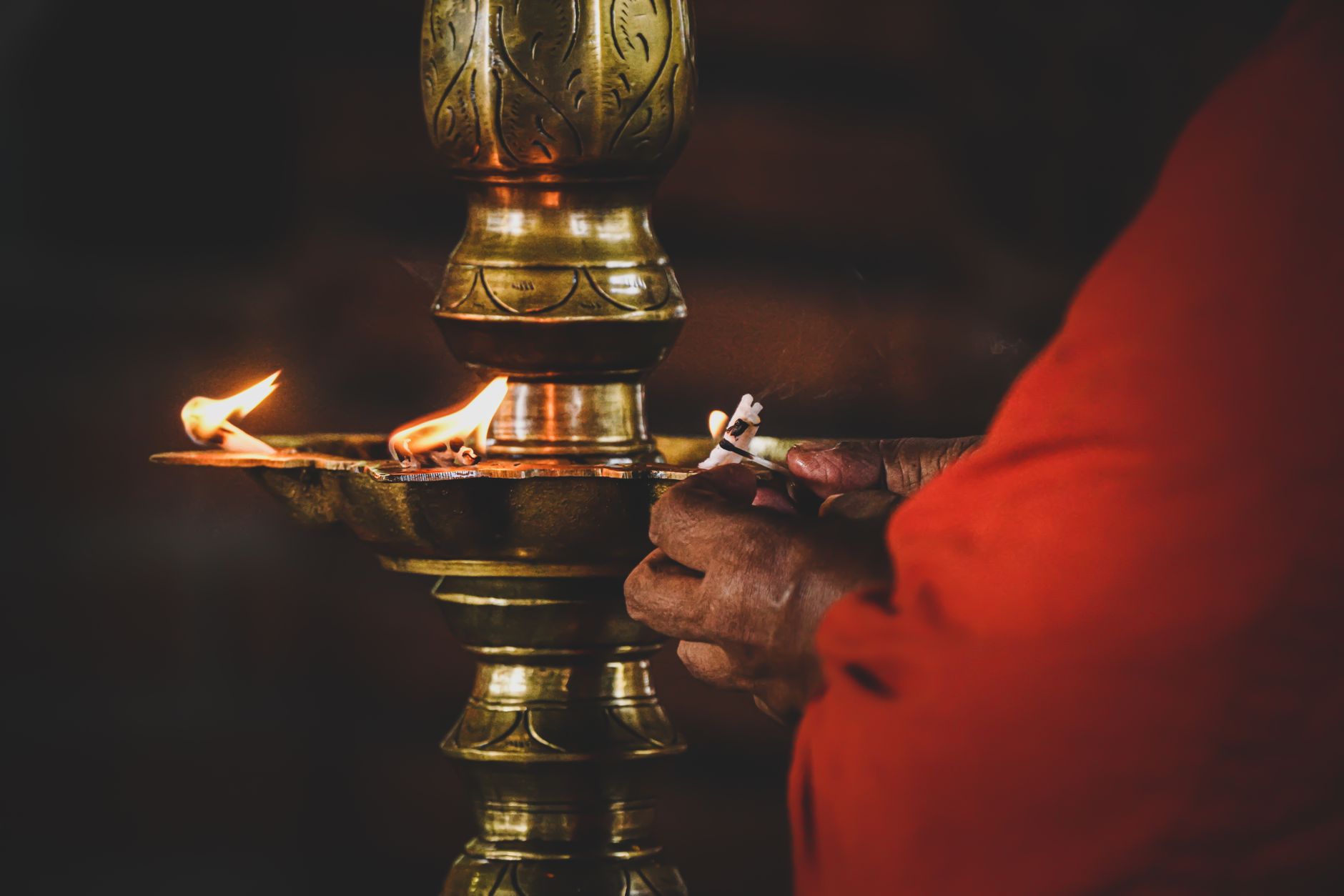
What is Panchakarma and what should you expect?
Panchakarma translates as "five actions" and represents one of Ayurveda's most comprehensive therapeutic protocols. The treatment involves a carefully sequenced series of purification techniques designed to eliminate deeply accumulated toxins (called ama in Ayurvedic terms) that conventional detoxification often misses. Rather than a quick cleanse, panchakarma works systematically over days or weeks, mobilising toxins from tissues and channels before gently expelling them through the body's natural elimination pathways.
Expect to arrive at a wellness centre for an initial consultation where an Ayurvedic physician assesses your dosha (constitutional type) and current imbalances through observation, questioning and pulse diagnosis. This determines your personalised treatment protocol, as panchakarma is never one-size-fits-all. You'll then follow a structured daily routine involving herbal oil massages, steam treatments, medicinal enemas, nasal therapies and specialised dietary protocols. The experience is deeply relaxing yet therapeutically active—you'll notice subtle energy shifts, improved digestion, clearer skin and mental clarity as the week progresses.
The five panchakarma therapies explained
Vamana (therapeutic vomiting) addresses excess kapha dosha—the water and earth elements—by bringing accumulated mucus and toxins upward through controlled vomiting. It sounds intense but is remarkably gentle when administered by experienced practitioners. You'll drink medicinal herbal liquids that trigger the purge reflex without force or discomfort.
Related: Hotels Near Yala National Park: Where to Stay for Safari
Related: Best Places in Sri Lanka for Whale Watching
Related: Ambalantota with Family: What Works and What to Skip
Virechana (purgation therapy) uses specially prepared herbal oils and powders to stimulate bowel movements, eliminating toxins through the lower digestive tract. This is particularly effective for pitta imbalances and excess heat-related conditions. Unlike harsh laxatives, virechana works intelligently with your system's natural rhythm.
Basti (medicated enema) is considered the king of panchakarma therapies because it addresses the colon—Ayurveda's primary seat of vata dosha. Herbal decoctions and medicated oils introduced rectally nourish the colon tissue whilst mobilising and expelling accumulated waste. Most people receive multiple basti treatments during a course.
Nasya (nasal therapy) applies medicated oils into the nasal passages to cleanse the sinuses, improve mental clarity and balance the upper body's doshas. It's surprisingly pleasant and deeply affecting, often described as profoundly clarifying for the mind.
Raktamokshana (blood purification) involves controlled bloodletting or leech therapy for conditions involving deep toxins in the blood itself. This is less commonly used and reserved for specific conditions, so many panchakarma courses focus on the four therapies above.
How long should you stay for panchakarma?
The minimum effective duration is seven days, though this suits only minor imbalances or maintenance cleansing. A standard course runs 14 days, allowing enough time for proper preparation, the five core therapies and adequate recovery. Serious chronic conditions or deeply accumulated toxins benefit from 21–28 day immersions, where the cumulative effect becomes transformative.
The structure typically follows this pattern: days 1–3 involve purvakarma (preparation), using warm oil massage and steam to mobilise toxins from tissues into the digestive tract. Days 4–5 focus on the main elimination therapies (vamana, virechana or basti). Days 6–7 involve gentler post-treatment therapies and transition back to normal eating. Longer courses repeat this cycle and include additional specialised treatments.
Where in Sri Lanka can you experience authentic panchakarma?
Sri Lanka's southwestern coast near Mirissa and along the south coast hosts the highest concentration of Ayurvedic wellness centres offering panchakarma. The coastal climate—warm, humid and conducive to relaxation—supports the treatment process. Centres in these regions typically employ Ayurvedic practitioners trained in India and maintain traditional methodologies.
The hill country around Ella and Kandy provides cooler, mountain environments suited for kapha-related treatments and those needing mental clarity without coastal humidity. Mountain air and tranquil surroundings enhance the introspective aspect of panchakarma.
Negombo, just north of Colombo, offers convenient access for short courses and attracts both local and international clients. Treatment quality varies considerably by centre, so research reviews from previous guests and confirm practitioner credentials before booking.
When choosing a location, consider your constitution: pitta types often prefer the cooler hill country, kapha types may find coastal warmth more balancing, and vata types benefit from stable, nurturing environments regardless of location.
Practical preparation and timing
Begin adjusting your diet one week before arrival, eliminating processed foods, caffeine, alcohol and heavy meat consumption. This eases the transition and improves treatment efficacy. Inform the centre of any medications you take, as some require adjustment during panchakarma.
Choose your season wisely: the southwest monsoon (May–September) brings cooler, dampish weather unsuited to many treatments. The dry season (December–March) and shoulder months (April, October–November) offer ideal conditions. August–September can be challenging for vata-sensitive individuals due to windy conditions.
Arrive without expectations of productivity—panchakarma demands rest and introspection. Arrange your schedule to allow at least 2–3 days post-treatment recovery; rushing back to normal life negates much benefit. Many people report needing 3–4 days to readjust to their previous pace and diet.
Diet and lifestyle during treatment
Expect a restrictive diet—typically warm rice congee, light broths, steamed vegetables and ghee. This seems austere but allows your digestive system to reset whilst absorbing treatment benefits. Alcohol, caffeine, spicy foods and raw vegetables are prohibited because they disturb the delicate digestive processes panchakarma initiates.
You'll follow a structured daily schedule: early rising, oil massage (abhyanga), steam therapy, treatments, meals and rest. This rhythm—aligned with Ayurvedic principles of circadian health—becomes deeply grounding. Many people rediscover natural sleep patterns and body-hunger signals previously obscured by modern chaos.
Physical activity should be gentle: slow walks, light stretching or restorative yoga if cleared by your practitioner. Avoid strenuous exercise, swimming and sexual activity, which divert energy from the purification process.
Is panchakarma right for you?
Panchakarma suits anyone with chronic digestive issues, skin conditions, autoimmune tendencies, hormonal imbalances or accumulated stress seeking root-level healing. It's particularly effective for those with years of pharmaceutical use or environmental toxin exposure, as it targets deeper tissue-level accumulation.
Avoid panchakarma during pregnancy, whilst breastfeeding (for vamana and virechana), during acute infections or fevers, or if you have severe constitutional weakness. Certain conditions like advanced cardiovascular disease require medical clearance and adapted protocols.
The investment—typically USD 800–2,500 depending on course length and centre—reflects the labour-intensive, personalised nature of treatment. Many people find one panchakarma course yearly or every two years maintains exceptional health and prevents chronic disease development.
FAQ
Will I feel worse before I feel better during panchakarma?
Mildly, yes. As toxins mobilise, you may experience temporary fatigue, mild nausea, altered appetite or emotional release—this is herxheimer-like detoxification. It typically peaks midway through and resolves as treatment completes, replaced by remarkable clarity and vitality.
Can I continue prescribed medications during panchakarma?
Dependencies should continue unless your Ayurvedic physician coordinates with your doctor for safe adjustment. Some medications interfere with panchakarma efficacy, so transparency with your centre is essential.
How often should I do panchakarma?
Once yearly during the season matching your dosha is traditional. Those managing chronic illness may benefit from biannual courses initially, transitioning to maintenance protocols afterward.
What's the difference between panchakarma and a typical "detox" retreat?
Panchakarma is a specific medical protocol requiring trained practitioners and diagnostic assessment; detox retreats are often marketing terms for wellness stays with juicing or fasting, lacking panchakarma's systematic, dosha-specific methodology. Authentic panchakarma transforms physiology at tissue level, whilst other detoxes offer temporary relief.