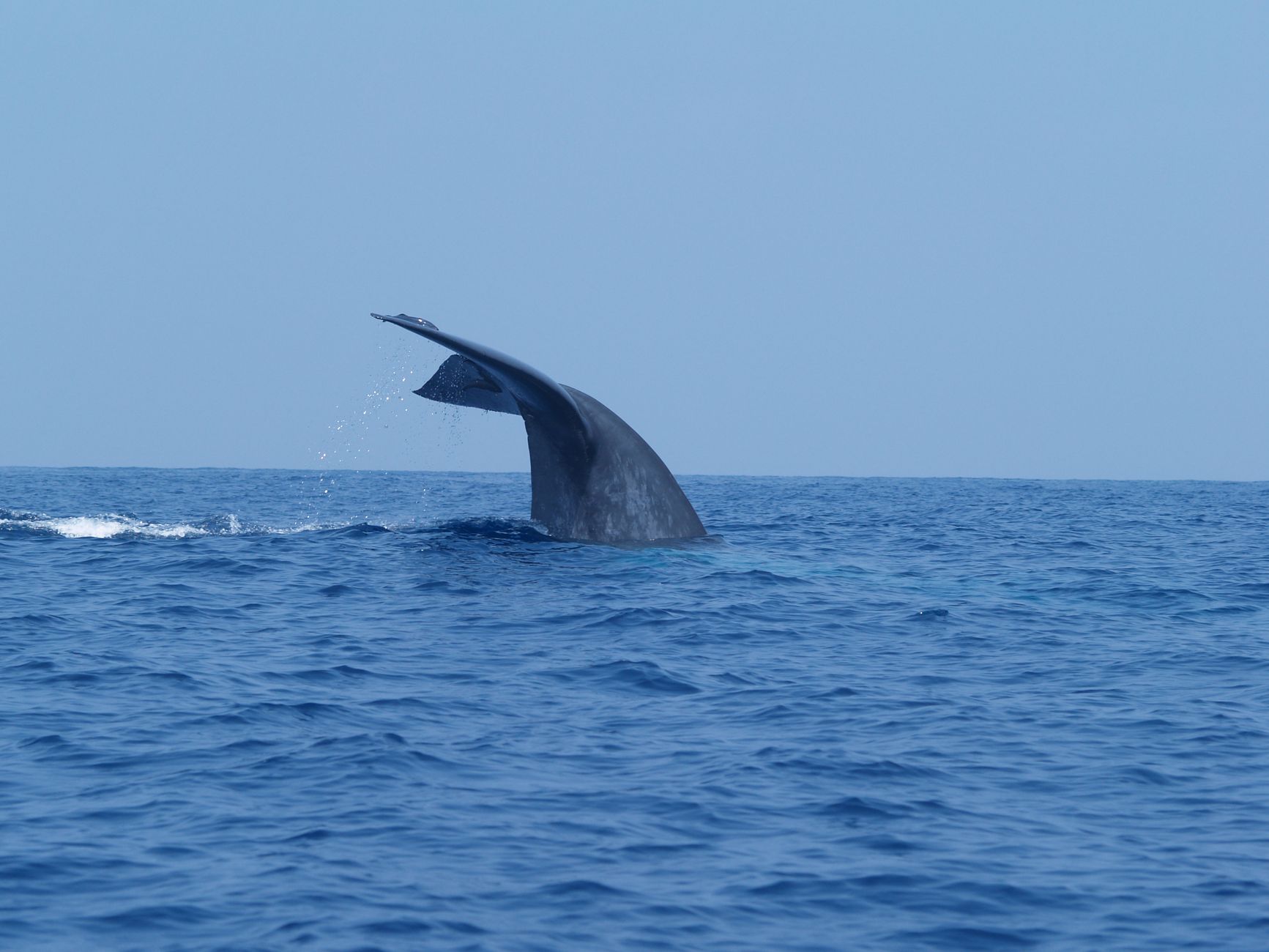
Best Places in Sri Lanka for Whale Watching
Sri Lanka sits at a convergence of deep oceanic channels where blue whales, sperm whales, and spinner dolphins thrive year-round. Unlike many whale watching destinations that offer limited seasonal windows, Sri Lanka's geography means cetaceans move between the south and west coasts following food and breeding patterns, making it possible to encounter whales almost any month you visit—though conditions and sightings vary significantly by location and time of year.
Why is Sri Lanka exceptional for whale watching?
The island's strategic position creates a natural feeding ground in the Indian Ocean. The continental shelf drops steeply off both the southern and western coasts, funnelling nutrient-rich currents that attract baleen whales in substantial numbers. Unlike Caribbean or Antarctic routes where you might spot whales during migration, Sri Lanka offers resident populations that stay year-round, meaning sightings depend more on sea conditions and boat positioning than on following predictable routes.
Most expeditions operate from small coastal towns, which means you'll experience authentic fishing communities rather than resort-tourism infrastructure. Boat captains are typically fishermen or their descendants who understand these waters intimately and have developed a genuine stewardship ethic around marine wildlife.
Related: Best Places in Sri Lanka for Tea Plantation Tours
See also: Coral Beach Hotel Mirissa: Location, Access & What to Expect
See also: Mawella Beach: A Quieter South Coast Escape
Mirissa: Peak season and reliable sightings
Mirissa, on the south coast, remains the most developed whale watching hub, and for practical reasons: deep water lies just 2–3 km offshore, and the town has established tour operators with consistent boats and safety standards. Between November and April, the southwestern monsoon keeps seas relatively calm, and blue whales appear with genuine reliability during these months—sightings often exceed 80 per cent on clear-weather days.
The experience here feels different from equatorial Caribbean whale watching. You'll leave around dawn from a working fishing beach, often sharing the boat with local fishermen heading out for the day's catch. Seas can be choppy even in "good" season, and the three-to-four-hour round trip demands genuine commitment. Most tours depart between 6–7 a.m. and return by noon.
What distinguishes Mirissa is the likelihood of seeing multiple whale species in one outing. Blue whales dominate, but sperm whales, Bryde's whales, and spinner dolphins appear regularly. On exceptional days, you might encounter five or more distinct cetacean sightings. Bring seasickness medication and layers; the ocean breeze is sharper than land temperatures suggest, and spray is constant.
Trincomalee: Northern waters and quieter alternatives
Trincomalee, on the northeast coast, offers whale watching from April through September when the northeast monsoon calms the eastern seaboard. This location feels considerably less commercialised than Mirissa, with fewer daily boats and a more exploratory atmosphere. The harbour itself is spectacular—a natural deep-water port ringed by colonial-era fortifications and fishing villages.
Blue whales and spinner dolphins are most common here, though sightings are somewhat less predictable than in Mirissa during peak season. The trade-off is solitude: you're unlikely to share your boat with dozens of tourists, and the local operators often employ marine biologists or conservation-minded guides who offer genuine scientific context rather than rehearsed commentary.
Trincomalee suits travellers who prefer the experience of being on working fishing waters over the certainty of sightings. Sea conditions can deteriorate quickly, and tours sometimes return early or fail to launch, so build flexibility into your itinerary if you choose this location.
Kalpitiya Lagoon: Dolphin pods and shallow-water encounters
Kalpitiya, northwest of Colombo, specialises in shallow-water dolphin encounters rather than the deep-ocean blue whale experience. Spinner dolphins and bottlenose dolphins inhabit the lagoon and nearby coastal waters year-round, with sightings most reliable from November through March when calmer seas allow boats into shallower zones.
These tours operate in the early morning, often visiting multiple locations—the lagoon itself, a sandbank, and deeper water beyond the peninsula—within a four-hour window. You're more likely to see dolphins in coordinated pod behaviour here, including the acrobatic spinning jumps spinner dolphins are named for. The experience is faster-paced and less physically demanding than open-ocean whale watching from Mirissa, making it suitable for less confident swimmers or those prone to seasickness.
Kalpitiya also offers genuine cultural texture. The peninsula remains primarily a fishing community with minimal tourism infrastructure outside dedicated tour operators. You'll see traditional fishing nets and outrigger canoes, and many tours stop at small settlements where you can interact with fishermen and purchase fresh fish for lunch preparation.
Dondra Head and Matara: Emerging locations with potential
The waters south of Matara and around Dondra Head—the island's southernmost point—represent an emerging frontier for whale watching. Operators here maintain significantly lower daily boat volumes than Mirissa, and the continental shelf creates excellent conditions during the December–April window.
Sightings data here is less comprehensive than Mirissa's, so going feels genuinely exploratory. You may encounter fewer whales, but you'll also avoid the crowds increasingly common at established tourism points. This suits experienced whale watchers or travellers prioritising the quality of solitude over statistical likelihood of sightings.
Seasonal breakdown across locations
November to April (South and Southwest Coasts): Mirissa and Dondra Head offer the most reliable blue whale sightings. Seas are generally calmer, though conditions can shift rapidly. This is peak tourist season, so boats operate at capacity and you'll encounter other tour groups.
May to October (Northeast Coast and Western Waters): Trincomalee becomes viable from April onward, whilst Kalpitiya and western-coast operators maintain year-round activity. Blue whale sightings become less certain, but you'll encounter fewer tourists and lower boat density.
Throughout the Year: Spinner dolphins and smaller cetaceans appear across all locations, though visibility and pod behaviour vary seasonally.
Practical preparation and ethical considerations
Bring robust seasickness medication: even experienced sailors find open-ocean conditions taxing on Sri Lankan whale watching boats. Lightweight, packable rain gear, polarised sunglasses, and a secure hat are essential. Most tours last three to four hours in open ocean, and sun exposure is intense.
Choose operators affiliated with marine conservation organisations where possible. Responsible operators maintain strict distance protocols (typically 100 metres from whales) and avoid engine noise when cetaceans surface. Ask whether your guide has formal marine biology training or experience; this significantly enhances the educational value of your outing.
Book tours through established operators based in the towns themselves rather than resort concierges, who often markup prices substantially without adding value. Expect to pay 3,500–5,500 LKR (approximately £9–14 USD) for a half-day shared tour; private charters cost considerably more.
FAQ
Is whale watching in Sri Lanka ethical?
Yes, provided you select operators practising responsible guidelines. Sri Lanka's waters remain largely unregulated, so certification matters: choose operators working with conservation groups like the Whale and Dolphin Conservation programme. Avoid boats that approach whales aggressively, generate excessive noise, or operate in conditions where whale stress is visible.
What if I don't see whales?
Many tours offer refunds or return trips if no cetaceans are sighted during peak season in Mirissa. Outside peak season, sightings are less guaranteed, so clarify operator policy before booking. Even without whales, you'll experience Sri Lankan maritime culture and typically encounter dolphins or seabirds.
Can I whale watch year-round in Sri Lanka?
Yes, but conditions and likelihood shift dramatically by season and location. December–April in the south offers the best odds; May–September in the north provides a viable alternative. Outside these windows, sightings become less predictable, though operators maintain tours.
Do I need to be a strong swimmer?
No, swimming ability is irrelevant—you remain on the boat throughout. Seasickness resistance matters far more than swimming skill. First-time whale watchers should take medication preventatively and eat a light breakfast before departure.