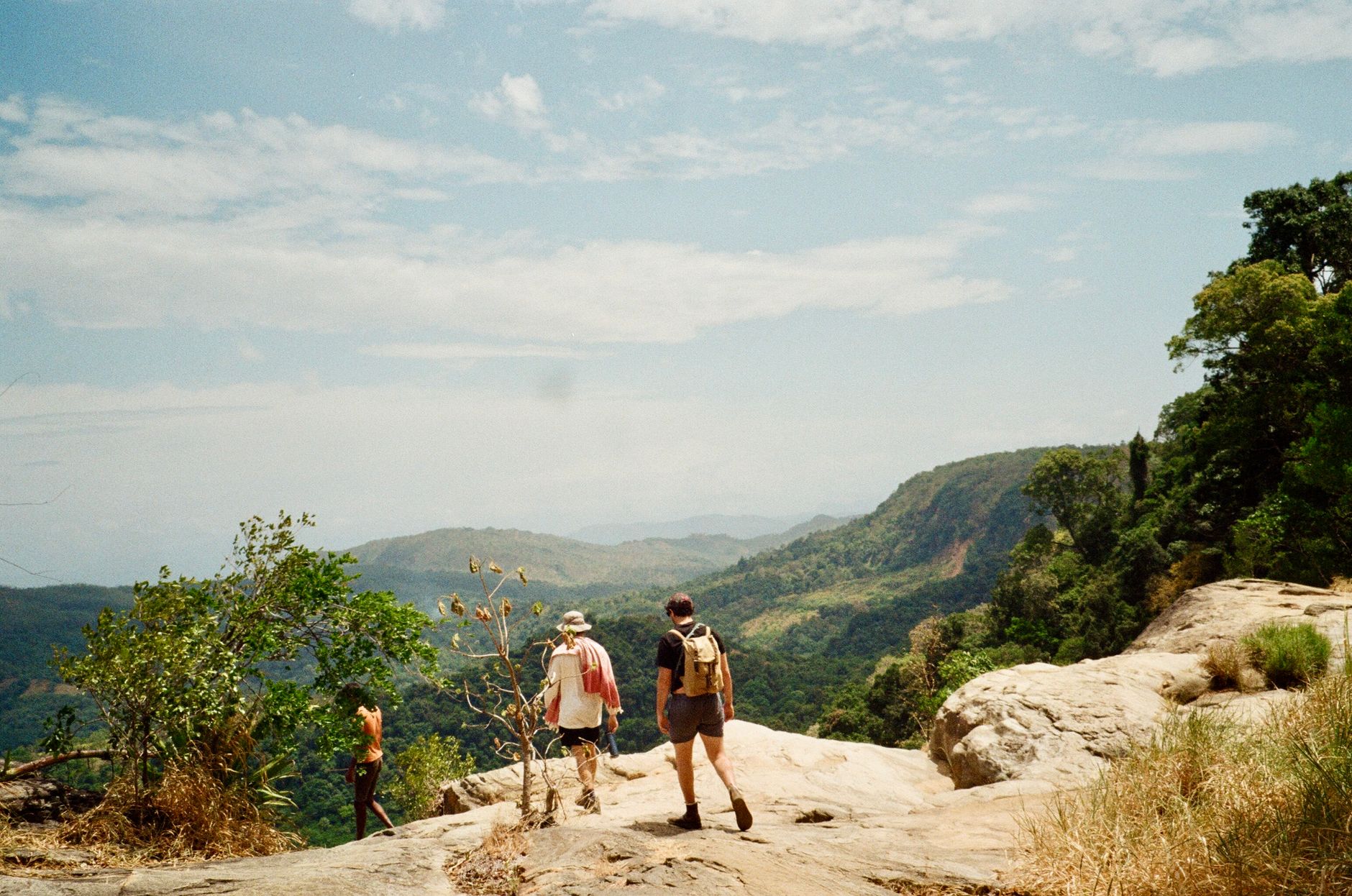
Best Places in Sri Lanka for Hiking and Trekking
Sri Lanka's compact geography packs extraordinary trekking variety into short distances: high-altitude cloud forest trails, tea plantation ridges, ancient pilgrimage routes, and coastal walks all accessible within weeks of preparation. The central highlands remain the heart of serious trekking, though coastal and cultural circuits now attract walkers seeking different rhythms and landscapes.
Which regions offer the most established trekking routes?
The central highlands dominate Sri Lanka's trekking scene, clustering most of the island's highest peaks, oldest trails, and most reliable infrastructure within the triangle formed by Kandy, Nuwara Eliya, and Ella. This region experiences distinct dry seasons and wet seasons that fundamentally shape trekking conditions, and the concentration of guesthouses, local guides, and established paths means you'll find logistical support that frankly doesn't exist with the same reliability elsewhere on the island.
Within this zone, the Nuwara Eliya area functions as the primary hub for highland trekking, home to the island's three highest peaks and numerous multi-day routes that connect forests, tea estates, and mountain villages. The routes around Ella cater particularly well to shorter treks and day walks, with remarkable elevation changes over distances that fit within morning or afternoon schedules. Meanwhile, the Kandy region provides easier access to forest walks and the famous Adams Peak pilgrimage route, which sees thousands of walkers during the December to April season.
Related: Best Places in Sri Lanka for Wildlife Safari
See also: Is Arugam Bay Worth Visiting? An Honest Take
See also: Bentota for Solo Travellers: Safety and Practical Tips
Do not overlook the Knuckles Mountain Range, a modest but dramatic landscape located north of Kandy that offers genuine wilderness feel with far fewer trekkers than the central peaks, and the western slopes of the highlands near Kitulgala, where river valleys and waterfalls create cooling relief and surprising isolation despite proximity to the main highway.
What are the standout multi-day treks?
The Horton Plains circuit remains the most celebrated multi-day trek, typically completed as a three-day walk that loops through montane grassland and cloud forest at elevations above 2,000 metres. The walk encompasses World's End, a dramatic cliff edge offering visibility to the southern lowlands when weather permits, and passes through highland terrain where temperatures drop noticeably and rain falls regularly even during dry seasons. The trek demands reasonable fitness and acclimatisation but involves no technical climbing, and the plateau landscape feels genuinely otherworldly compared to tropical lowlands visible below.
The Knuckles Range circuit, usually completed in two to three days, offers rugged terrain with proper elevation gain that tests legs and balance, passing through montane forest where mist clings to ridgelines and rare plants grow on rocky slopes. The exposed ridge sections provide genuine mountain atmosphere despite modest elevation, and fewer international tourists means you'll encounter primarily local hikers and possibly local guides with deep landscape knowledge.
Adams Peak (Sri Pada) functions less as a multi-day trek and more as an overnight pilgrimage, with thousands of pilgrims walking the route during December to April, creating an atmosphere genuinely unlike other Sri Lankan treks. The walk itself—typically started at 2am to reach the peak for sunrise—involves some genuine climbing sections and stone steps worn smooth by centuries of feet, and arriving at the summit surrounded by pilgrims from multiple faiths creates an experience of cultural immersion that overshadows the physical challenge.
For something less trafficked, the trek from Haputale to Ella along the ridge follows tea plantation paths and forest edges, connecting two hill stations across a route that can be completed in one long day or split into two easier stages, with proper accommodation available at both ends and in small villages along the path.
What about day walks and half-day options?
Around Ella, Little Adams Peak and Ella Rock offer substantial hill walks returning to town within three to four hours, providing real elevation gain and forest walking without requiring overnight planning. The views across the tea plantations and out toward the southern plains deliver the landscape drama that makes highland trekking worthwhile, and starting early avoids afternoon mist that obscures views by mid-morning.
Nuwara Eliya town sits positioned for numerous day walks: Pidurutalagala (the highest peak) involves a straightforward climb of two to three hours with reasonable paths, whilst Bambarakanda Falls can be reached in a half-day walk through forest and along stream valleys, and the walks around the town's lake and golf course provide gentler options for acclimatisation or recovery days.
The Knuckles Range offers several day walk options: the climb to Konthala Kanda offers a full-day round trip with proper ridge views, whilst shorter walks exploring stream valleys and forest edges suit those with limited time. The advantage here is genuine solitude compared to established peaks; you may walk for hours encountering primarily locals and occasional tourists.
Near Kandy, the forest reserves around Devundara and the walks to Corbett Gap provide accessible forest trekking without serious elevation, useful for understanding Sri Lankan montane ecology without the physical demands of higher peaks.
Which season should you trek?
The dry season from December to March represents the busiest and most reliable trekking window across all regions. During this period, rainfall remains minimal, paths remain walkable, and views tend toward clarity, though morning mist still affects higher elevations. Adams Peak specifically sees pilgrim flows during this window that can involve queuing on steep sections, creating an experience somewhere between meditation and crowd navigation.
May to September represents the southwest monsoon, bringing heavy afternoon rains to western and central regions, transforming paths into streams and reducing visibility dramatically. Hiking remains possible for those accustomed to wet conditions, and the landscape becomes lush and dramatic, with fewer international trekkers and interesting light conditions, but requires serious preparation and appropriate gear.
October to November and April represent shoulder seasons with unpredictable weather, occasional clear days alternating with heavy rain, and sparse trekking crowds. These periods suit flexible walkers who can adjust routes based on daily weather rather than rigid itineraries.
What practical preparation matters most?
Acclimatisation deserves serious attention: the central highlands rise above 2,000 metres, and arriving from sea-level beaches and heading straight into multi-day treks causes genuine altitude effects—headaches, fatigue, and disrupted sleep. Spending 2–3 days at moderate elevation before serious trekking significantly improves experience and safety.
Local guides enhance trekking substantially, providing not only navigation expertise (trail markers remain sparse or inconsistent on many routes) but botanical knowledge, historical context, and cultural insight that transforms walks from physical exercise into understanding of landscape ecology and human geography. Guides cost roughly USD 25–40 daily and justify themselves through practical knowledge alone, leaving cultural exchange as genuine bonus.
Water scarcity affects certain routes: carrying adequate supplies matters more than you'd expect given Sri Lanka's rainfall reputation, as water sources along ridges can dry during dry seasons, and highland streams may run dry or become contaminated depending on season and upstream activity.
Proper footwear matters: wet conditions, rocky terrain, and root-filled paths require proper trekking boots rather than trainers, particularly on multi-day walks where ankle support and grip prove genuinely important for safety and comfort.
FAQ
What's the best trek for first-time visitors? The walk around Ella, particularly Little Adams Peak and the tea plantation circuits, offers proper mountain atmosphere within accessible timescales and elevations. The route feels established without feeling crowded, provides good food options and guesthouses, and the landscape drama genuinely matches more challenging climbs.
Do I need technical climbing experience? No. Most established Sri Lankan treks involve hillwalking with some steep sections and scrambling, but none require ropes, climbing experience, or specialist equipment. Adams Peak involves some narrow stone steps that intimidate people afraid of heights, but thousands of pilgrims without climbing backgrounds complete it annually.
When should I avoid trekking? During southwest monsoon (May to September), many routes become difficult or dangerous, particularly higher elevations where cloud cover and lightning present real hazards. November and April involve unpredictable weather that can trap walkers on exposed ridges or render paths genuinely hazardous.
How fit do I need to be? Day walks around Ella suit most reasonably active people; multi-day treks demand sustained fitness and comfort with daily elevation gain. If you walk regularly at home and manage moderate hills without significant discomfort, you'll manage most established Sri Lankan treks, though acclimatisation remains crucial regardless of fitness level.