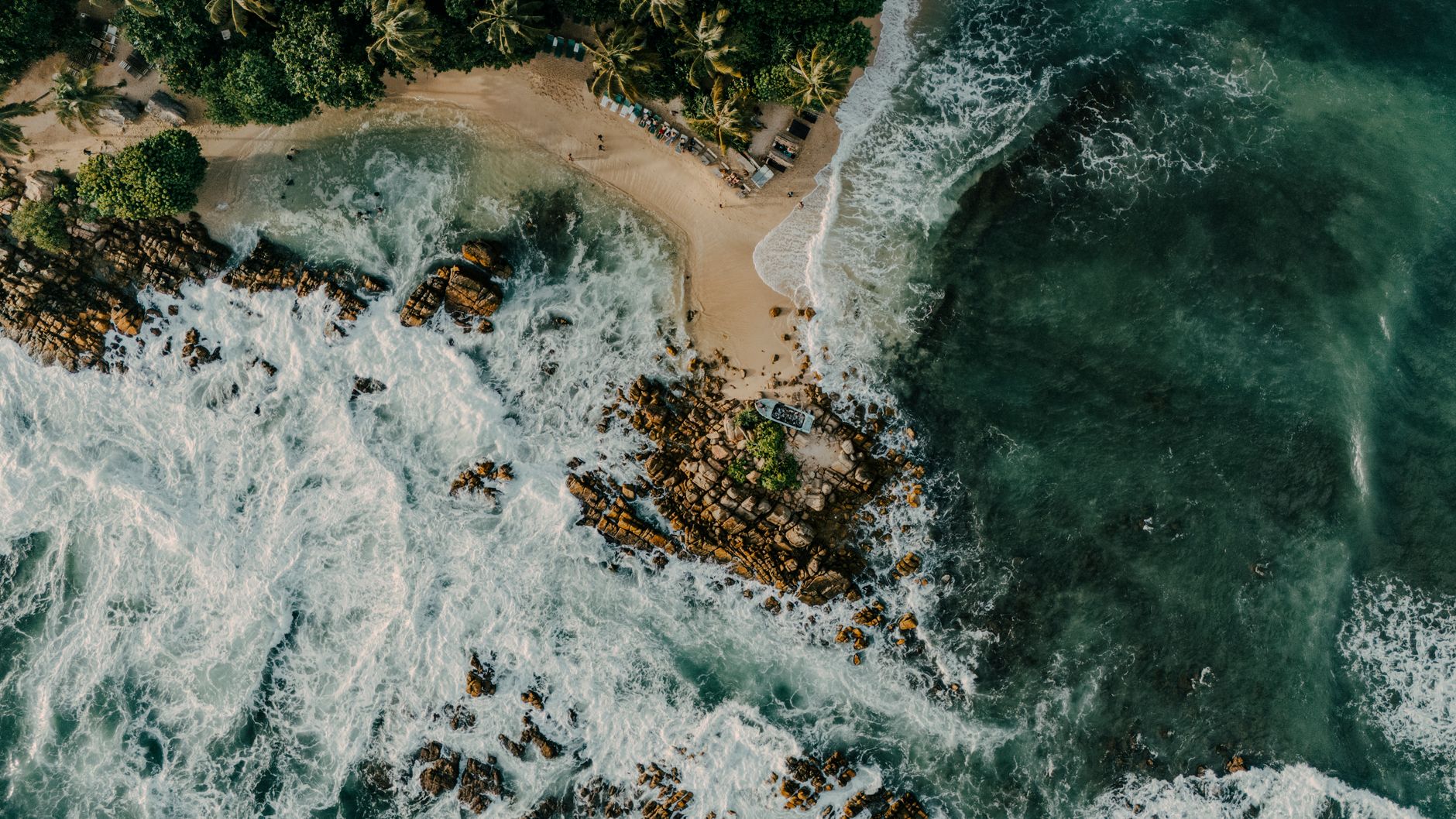
Best Places in Sri Lanka for Scuba Diving and Snorkelling
Sri Lanka's coastline stretches 1,340 km and holds healthy coral reefs, shipwrecks, and abundant marine life. Four regions dominate: the south coast (Mirissa, Unawatuna), the north (Trincomalee), the east (Arugambe, Batticaloa), and the west (Negombo). Water temperatures range from 26–29°C year-round, so a 3mm wetsuit suffices. Most operators rent full gear for 1,500–2,500 LKR per day.
Which region suits your experience level?
South coast (Mirissa and Unawatuna). Safest entry point. Reefs sit 5–15 metres deep. Sea turtles and reef sharks are common. Visibility averages 10–15 metres. Mirissa is busier, with 8–12 boat operators and daily trips at 3,500–5,000 LKR per person (snorkelling). Unawatuna is quieter, 4 km south, with slightly cheaper operators. Both have PADI centres charging 12,000–15,000 LKR for Open Water courses. High season: November to April. Best months: January–March.
Trincomalee (north coast). Pristine, less crowded. Pigeon Island National Park sits 1 km offshore—snorkelling trips cost 4,000–5,500 LKR. Visibility: 12–18 metres. Depth: 5–12 metres. Soft corals, clownfish, and occasional sea turtles. Three shipwrecks (HMS Hermes, the Japanese tanker) lie 20–35 metres deep—advanced divers only. Only 3–4 operators here; book ahead. High season: April to September. Best months: May–July.
Related: Best Places in Sri Lanka for Wildlife Safari
See also: Kanneliya Rainforest: Wildlife, Trails & Visitor Guide
See also: Ella Sri Lanka Hotels: Where to Stay in the Hill Country
East coast (Arugambe, Batticaloa). Waves and reefs coexist. Arugambe reefs are 8 metres deep, safe for beginners. Batticaloa lagoons offer calm, shallow water (2–4 metres), ideal for absolute beginners and children. Visibility: 8–12 metres. Fewer tourists; rates: 3,500–4,500 LKR. High season: May to September.
West coast (Negombo). Closest to Colombo (40 km). Reef sits 300 metres offshore. Snorkelling trips: 4,000–5,000 LKR. Visibility often poor (6–10 metres) due to river runoff. Best November to February. Skip May–September (monsoon).
Cost comparison: What you'll pay
| Activity | Cost (LKR) | Duration | Notes |
|---|---|---|---|
| Snorkelling trip | 3,500–5,500 | 2–3 hours | Includes boat, guide, gear |
| Single tank dive | 5,000–8,000 | 45 mins underwater | Requires certification |
| PADI Open Water | 12,000–15,000 | 3 days | Most operators discount groups |
| PADI Advanced | 8,000–10,000 | 2 days | |
| Gear rental (full set) | 1,500–2,500/day | — | BCD, regulator, tank, weights |
| Liveaboard (per night) | 18,000–35,000 | 3–7 days | Mirissa; advanced wreck diving |
Mirissa liveaboards visit four dive sites per day and include meals. Liveaboards run April to October (monsoon window for deep wrecks). Book 4–6 weeks ahead for July–September.
What marine life will you see?
Common year-round: Parrotfish, triggerfish, surgeonfish, reef sharks (mostly harmless blacktips), sea turtles (especially loggerheads and hawksbills), octopuses.
Seasonal: Manta rays (March–May off the east coast), whale sharks (April–June), barracuda schools (deeper sites).
Wrecks and artificial reefs: The Japanese tanker near Trincomalee hosts groupers, snappers, and moray eels at 28–35 metres. The British destroyer HMS Hermes (50 metres deep) is only dived November to April and requires advanced training.
Operator quality and safety
Only use PADI-affiliated operators or those certified by Sri Lanka's Department of Fisheries. Ask for:
- Diver-to-guide ratio (never more than 4:1 for beginners)
- Equipment inspection dates (vital)
- Insurance policy
- Dive log entries from previous weeks
Mirissa's established operators (Diving Club and similar ventures) have 10+ years' track records and daily customers. Trincomalee's fewer operators are more selective but equally safe. East coast operators are newer; check reviews on Google Maps and TripAdvisor first.
Avoid operators offering unusually cheap rates (sub-3,500 LKR snorkelling) or claiming no need for certification on dives. Corruption and gear shortcuts happen in unregulated areas.
Best time to visit by location
South (Mirissa, Unawatuna): November–April. Peak: January–March (calmest seas, 15–18m visibility).
North (Trincomalee): May–September. Peak: May–July (18–20m visibility, warmest water).
East (Arugambe, Batticaloa): May–September. Peak: June–August (snorkelling possible in lagoons year-round).
West (Negombo): November–February. Skip rest of year (choppy, poor visibility).
Months to avoid: May (southwest monsoon affects south), November (northeast monsoon affects north).
How to get there
Mirissa: 158 km from Colombo (4 hours by bus or car). Direct buses from Colombo Fort station (450 LKR, 4.5 hours). Tuk-tuk from Weligama: 20 km, 30 mins, 800–1,000 LKR.
Unawatuna: 144 km from Colombo (3.5 hours). Same buses as Mirissa; ask driver to stop at Unawatuna instead.
Trincomalee: 258 km from Colombo (7 hours). Buses from Colombo Central; flights from Colombo to Trincomalee (90 mins, expensive, rare). Alternatively, fly to Jaffna and drive south (4 hours).
Arugambe: 167 km from Colombo (4.5 hours). Via Bentota.
Tips for your trip
- Book PADI courses in advance. July–August demand peaks; courses fill 2–3 weeks early.
- Carry a dry bag. Reef cuts from corals are common; antiseptic cream is not widely available.
- Respect protected areas. Don't touch coral or sea turtles. National parks (Pigeon Island, Hikkaduwa Marine Sanctuary) have strict rules.
- Bring your own wetsuit if sensitive to cold. Rental suits are thin and sometimes dirty.
- Check wave forecasts. South coast gets choppy January–February some years. North coast is flat May–August but turns rough September–April.
- Sunscreen is banned in all marine reserves. Use reef-safe alternatives or none.
FAQ
Do I need a diving licence to snorkel? No. Snorkelling requires no certification. Scuba diving requires PADI Open Water (minimum) or equivalent. Some operators offer "confined water" dives (3 metres, supervised) without pre-certification, but standards vary. Book only with PADI centres for safety.
What's the difference between Mirissa and Trincomalee? Mirissa is busier, cheaper, and easier to reach from the south. Trincomalee is quieter, has better visibility (especially May–July), and suits advanced divers interested in wrecks. Mirissa: 3,500–5,000 LKR snorkelling. Trincomalee: 4,000–5,500 LKR. Mirissa runs year-round; Trincomalee closes May–September for liveaboards and wreck dives.
Can I dive if I'm pregnant or have asthma? No. Pregnancy and asthma are absolute contraindications. Diving with ear problems, heart conditions, or diabetes requires a doctor's clearance. Always declare medical history to operators.
Is it safe to dive in Sri Lanka? Yes, with a qualified operator. Sharks avoid humans. Underwater hazards are corals, strong currents, and poor visibility in rough weather. Stick to November–April on the south coast or May–September on the north to minimise risk.