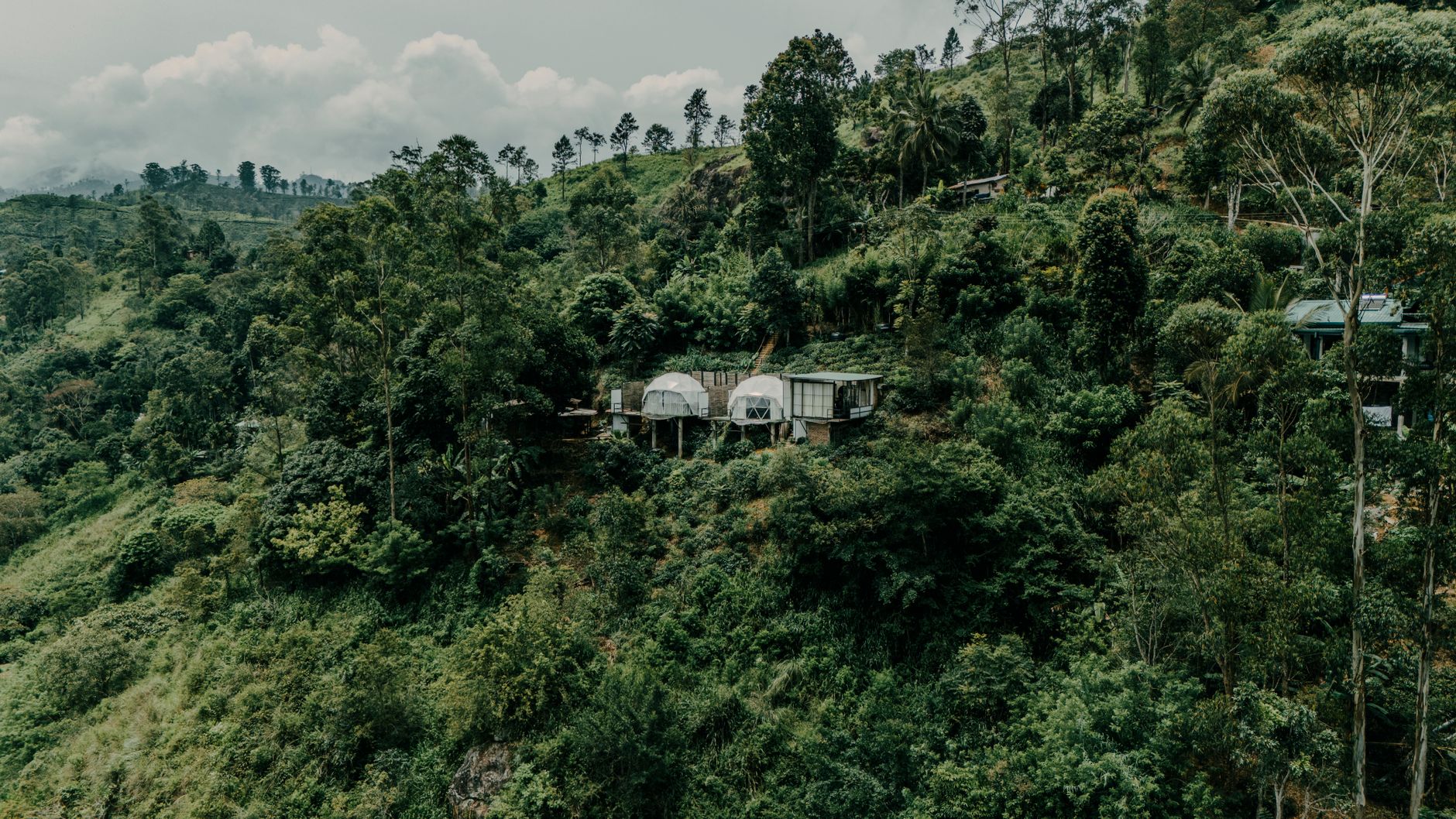
Bloom Hotel: Your Sri Lankan Retreat Explained
Bloom Hotel represents a mid-range option for travellers seeking comfortable accommodation with practical amenities across Sri Lanka. Rather than a single iconic property, there are several locations operating under this name, each serving different parts of the island—from cultural triangle regions to coastal areas. Understanding which Bloom property aligns with your plans matters more than the name alone, since location and local context shape your entire experience.
Which Bloom Hotel location suits your itinerary?
Sri Lanka's Bloom Hotels aren't part of a luxury chain; they're independently operated properties that compete on cleanliness, service consistency, and value rather than architectural prestige. This actually works in your favour if you're after genuine local hospitality without corporate polish. The key is matching the location to your route: some sit near cultural sites, others within easier reach of beaches or hills. Your choice depends entirely on whether you're spending time in the dry zone visiting ancient temples, heading to the central highlands, or based near the coast.
What to expect from amenities and service
Bloom Hotels typically offer air-conditioned rooms with en-suite bathrooms, which matters significantly in Sri Lanka's tropical heat and humidity. Most include basic breakfast—usually rice and curry alongside toast or hoppers, occasionally with fresh fruit—though quality varies. Wi-Fi is standard, though speeds fluctuate depending on local infrastructure. Staff are generally helpful and English-speaking, though professionalism varies between locations; some excel at local recommendations and arranging transport, whilst others operate more minimally.
Related: Dehiwala Beach Location: Where It Is & How to Get There
Related: Gal Oya Hotels: Where to Stay in Sri Lanka's Wildlife Sanctuary
Related: Tangalle for Solo Travellers: Safety and Practical Tips
Room sizes tend to be modest but functional. You'll find adequate storage, decent water pressure, and basic toiletries, but don't expect luxury finishing or premium bedding. Air conditioning units can be noisy at some properties, so lightweight earplugs are sensible if you're a light sleeper. Hot water reliability is usually fine, though morning shortages during peak seasons aren't uncommon.
Bloom Hotel compared to alternatives at similar price points
At the same budget level, you might find guesthouses offering more character and personal attention, especially family-run operations where the owner takes pride in hospitality. However, guesthouses sometimes sacrifice consistency—cleanliness, maintenance, or breakfast quality can vary day to day. Bloom Hotels, by contrast, offer predictability: you know roughly what you're getting. If reliability and modern amenities matter more to you than quirky charm, that's where they add genuine value.
For slightly more money, boutique hotels in the same regions offer better design and more thoughtful service. For considerably less, you'll find basic budget hotels that prioritise low cost over comfort. Bloom sits in the practical middle, appealing to travellers who've tired of backpacker hostels but aren't ready for higher-end resorts.
Practical considerations before booking
Location truly matters with mid-range hotels. A Bloom Hotel in the cultural triangle puts you within reasonable reach of Sigiriya, Dambulla, and Polonnaruwa, whilst one near a coastal town offers beach access but might feel isolated from cultural attractions. Check the precise address on the booking site and cross-reference it with your planned activities—don't rely on the name alone.
Review recent guest feedback specifically about the property you're considering, not the chain generally. A property might have changed management, recently renovated, or experienced service decline. Look for comments about water pressure, noise levels, breakfast quality, and staff helpfulness; these are often better indicators of real experience than overall star ratings.
Bathing and plumbing standards in Sri Lanka differ from Western expectations. Cold water shortages do happen. Insects are normal—geckos in rooms are harmless and actually useful. If either bothers you, confirm room condition and ask for screens when you arrive.
Getting the most from your stay
Arrive with realistic expectations and you'll likely be pleased. These are functional, clean spaces for sleeping and freshening up between activities, not destinations in themselves. Build relationships with staff on arrival; they often become invaluable for arranging tuk-tuks, recommending local restaurants, or adjusting breakfast timing for early starts.
Breakfast included usually means eating at the hotel, which is convenient but sometimes monotonous. On days with flexible schedules, venture to nearby cafés or street food stalls—this is where you'll find better food and real local atmosphere anyway. Ask staff where locals eat, not where tourists go.
For longer stays (four nights or more), negotiate rates directly with the hotel. Published prices often have built-in discount space for direct bookings, especially if you email the property rather than booking through platforms.
Comparing Sri Lankan accommodation regions
If you're deciding between multiple Bloom locations, consider the region's broader appeal. The cultural triangle offers archaeological richness but can feel touristy around major sites. Coastal towns deliver beach time but may feel one-dimensional. Hill country towns like Ella offer cooler temperatures, better food, and hiking access—though accommodation tends slightly more expensive. Review our regional guides for Ella and nearby areas to understand what each location genuinely offers beyond the hotel itself.
FAQ
Q: Are Bloom Hotels safe for solo travellers? Yes, generally. They're accustomed to solo guests, staff are professional, and they're typically in established areas with foot traffic. Standard safety practices apply—don't leave valuables unattended, avoid walking alone very late at night—but Bloom properties themselves are secure. Secure lockers and safes are usually available.
Q: Is breakfast included decent value? Often yes. A typical breakfast—rice and curry, hoppers, bread, fruit—would cost 800–1,200 LKR if bought separately. Inclusion saves time and money on arrival mornings, though quality is basic rather than special. It's functional fuelling for your day, not a culinary highlight.
Q: How far in advance should I book? During peak season (December–February, July–August), booking two to four weeks ahead is wise. Low season (May–October) offers last-minute flexibility. Direct hotel emails sometimes secure better rates than online platforms, especially for three-night-plus stays.
Q: Can I arrange airport transfer through the hotel? Most can arrange pickups for a fee (typically 3,500–5,500 LKR to southern beaches), though rates exceed standard tuk-tuk fares. Ask when booking if it's important. Alternatively, book through a ride platform or use the airport shuttle for better value.