Blue Beach Wadduwa: Sri Lanka's Coastal Gem
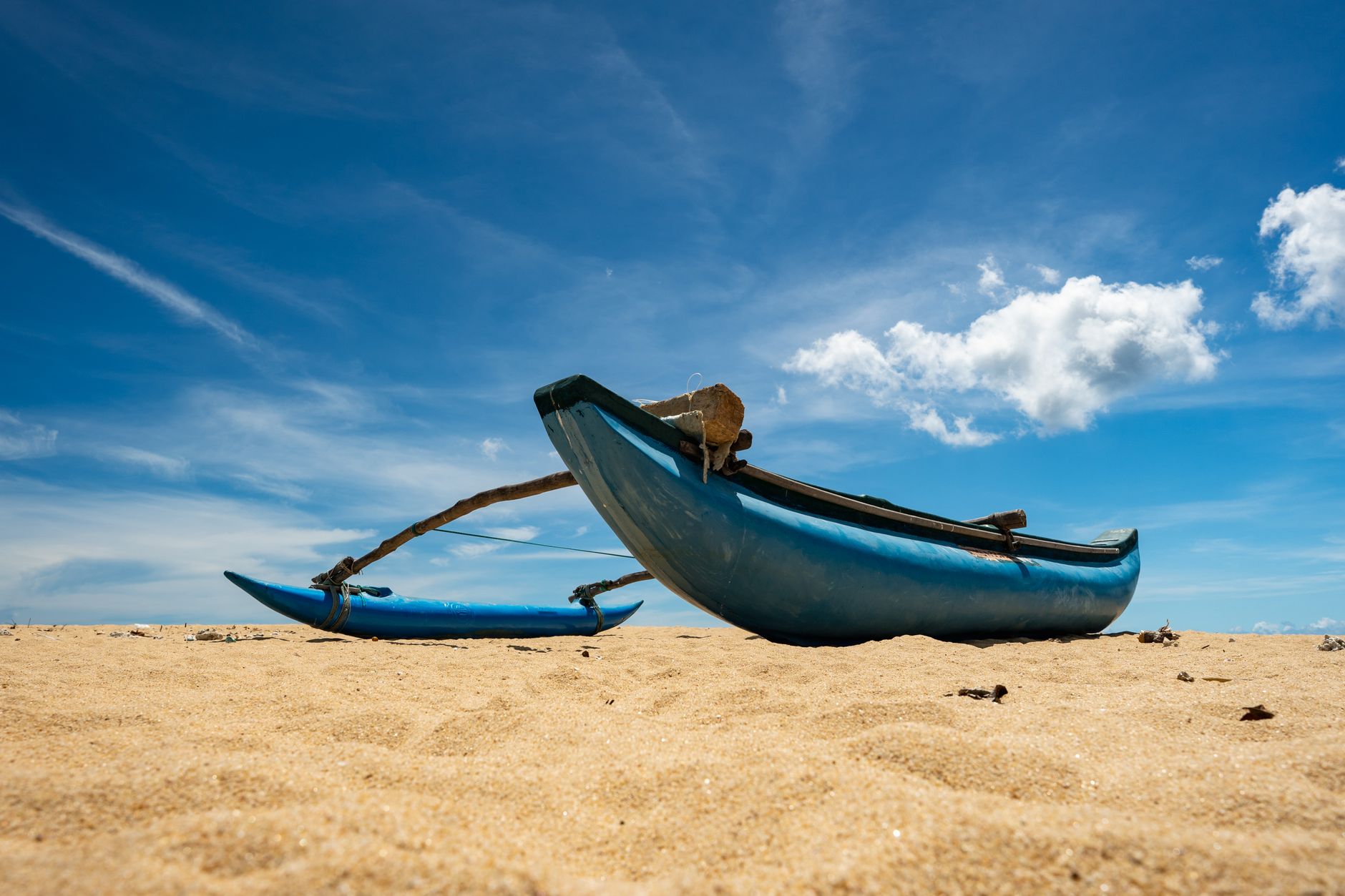
Blue Beach Wadduwa sits 35km south of Colombo as a genuinely useful coastal stop—wide pale sand, shallow turquoise water, and a working fishing village atmosphere that keeps it refreshingly free of the resort-park feel of Mirissa or Unawatuna. The beach's main draw is its ordinariness: locals fish at dawn, families arrive mid-morning, and by afternoon the fish auction by the lagoon mouth creates a sensory chaos of auctioneers, ice, and chrome-bright catch. It's where you smell the coast before you see it.
What makes Blue Beach different?
Wadduwa's strength is calmness. The lagoon mouth (where Kalani River enters) creates a protected swimming zone with negligible currents from June onwards. Sand shelves gently for 50 metres, so swimmers with modest confidence won't feel exposed. By contrast, the open southern stretch (past the fishing fleet) has shore break and undertow—fine for body-surfing, risky if you're unsteady. Most visitors naturally gravitate to the lagoon side without being told.
The beach averages 300–400 visitors daily outside school holidays; you'll share space with fishermen, dog-walkers, and three or four restaurant tables, not crowds. Sunsets here stack warm cloud-colour in authentic shade, unfiltered by commercial development.
Related: Is Colombo Worth Visiting? An Honest Take
Related: Churches in Sri Lanka: Finding Places of Worship Near You
Related: Arugam Bay, Sri Lanka: Surfing, Lagoon Walks & East Coast Travel Guide
Best time to visit
November through March is reliable: calm lagoon, water temperature 27–28°C, and minimal rain. Swell arrives from May; June to October brings consistent offshore wind that chops the lagoon. August and September are quietest for foreign visitors but most humid (29–31°C, cloud cover). April and May are warm transitions—doable but increasingly windy.
If you're timing a day trip from Colombo, go early (7–9am) to catch the fish auction and avoid midday sun reflection off sand. Local fishermen work 5–7am; by 11am boats are beached and the village shifts to stillness until late afternoon.
How to get there
From Colombo Fort railway station, the coastal train south takes 45 minutes and stops at Wadduwa station (Rs 50–80 depending on class). The station is a 10-minute walk inland from the beach; ask platform staff or a tuk-tuk driver (negotiate Rs 150–250). By road, the A2 highway is direct but congested northbound in evening rush (avoid 4–6pm); a hired car or tuk-tuk from Colombo costs Rs 1,500–2,500 one-way with wait time.
There's no paid parking on the beach itself. Park on the inland side of the main road and walk under fishermen's nets; locals won't obstruct but small petty theft from unattended vehicles is documented. Leave nothing visible.
What to do
Swim and float: The lagoon zone is safest 10am–3pm when undertow is weakest. Water clarity averages 6–8 metres (good visibility without being tropical-clear). Rocks and occasional broken coral fragments mean reef shoes are sensible.
Watch the fish auction: 4–5.30pm most days. Auctioneers call prices in rapid Sinhala, ice-men fillet mackerel and trevally, and buyers (restaurants, vendors, housewives) bid in clusters. It's unflinchingly real and noisy—no tourist performance. Bring small change if you want to buy cleaned fish to cook later.
Eat fresh seafood: Five or six small restaurants operate along the beach road. They buy from the morning catch; grilled fish (trevally, mackerel, barracuda) with coconut sambol and rice costs Rs 400–600 per head. Expect plastic chairs, loud conversation, and salt-sticky air. Quality is direct—no freezer risk—but standards vary. Ask to see the catch before ordering; reputable places will oblige.
Walk the rocky outcrop north: A 15-minute walk along the beach leads to a small reef zone with rock pools (best at low tide) and deeper water for snorkelling if swell is low. Rock shoes essential; sea urchin spines are present. Visibility here is often weaker due to sandy seabed, but small tropical fish (sergeant majors, wrasses) are common.
Practicalities
Facilities: A handful of beach shacks sell bottled water, king coconuts, and snacks. No lifeguards. No changing cabins (locals change under sarongs on the sand). Toilet blocks exist but are basic—use the main road restaurants if needed.
Safety: Petty bag theft from beach belongings is the main risk; theft from parked vehicles also occurs. Don't leave phones, wallets, or cameras unattended. Swimming safety is stronger here than southern beaches due to lagoon calm, but rip currents are possible during incoming swell (May–October). Look for gaps in the sandbar where water colours change shade; avoid those channels.
Timing day trips: A full day (8am–5pm) allows swimming, wandering the village, lunch, and the fish auction. Alternatively, a 3-hour afternoon visit (2–5pm) captures the auction and sunset without heat fatigue.
Comparing Wadduwa to other Sri Lankan beaches
Blue Beach differs from Mirissa (40km south) in that it's workingly local rather than tourist-first; the sand is darker and the village less developed. Water is similarly calm year-round, but Mirissa's lagoon is deeper and more dramatic. Compared to Unawatuna (50km further south), Wadduwa has better visibility in swell due to protected lagoon, and fewer backpackers. Colombo's Galle Face Green is nearer (35km north) but much busier and lacks the swimming safety of Wadduwa's lagoon edge.
For a genuine beach-and-fishing village rhythm over a holiday resort aesthetic, Wadduwa is superior. For nightlife and hotel choice, larger southern beaches win.
Getting to nearby areas
From Wadduwa, the train continues south to Kalutara (10 mins, riverside town with Buddhist temples) and Hikkaduwa (40 mins, louder beach and snorkelling hub). Northbound, Colombo's Galle Face is 35 minutes by train or 45 minutes by road. The South Coast Railway itself is worth the journey; the tracks run metres from the shore, and early morning trips offer kingfisher sightings and a working-day village view most visitors miss.
FAQ
Is Blue Beach safe to swim in? Yes, the lagoon zone is safer than most open beaches thanks to shallow water and breakwaters. Use reef shoes and avoid the open southern section if swell is running (May–September). Check local conditions with restaurant staff; they'll give honest feedback on that day's conditions.
What's the closest accommodation to the beach? Wadduwa has small guesthouses and hotels within walking distance of the sand (under 5 minutes). Colombo (30km north) and Kalutara (10km south) offer more choice if you prefer wider lodging options and don't mind commuting by train or tuk-tuk.
Can I eat the fish I buy from the auction? Yes. Many restaurants will cook fish you've purchased if you ask politely and negotiate a small prep fee (Rs 50–100). Alternatively, guesthouses with kitchen access will often oblige. Ensure the fish is gutted and iced before cooking.
Is there accommodation right on Blue Beach? No beachfront hotels; the beach remains village-residential. This keeps it quiet and authentic, but means you'll eat at local restaurants or travel to Colombo for wider dining choice.