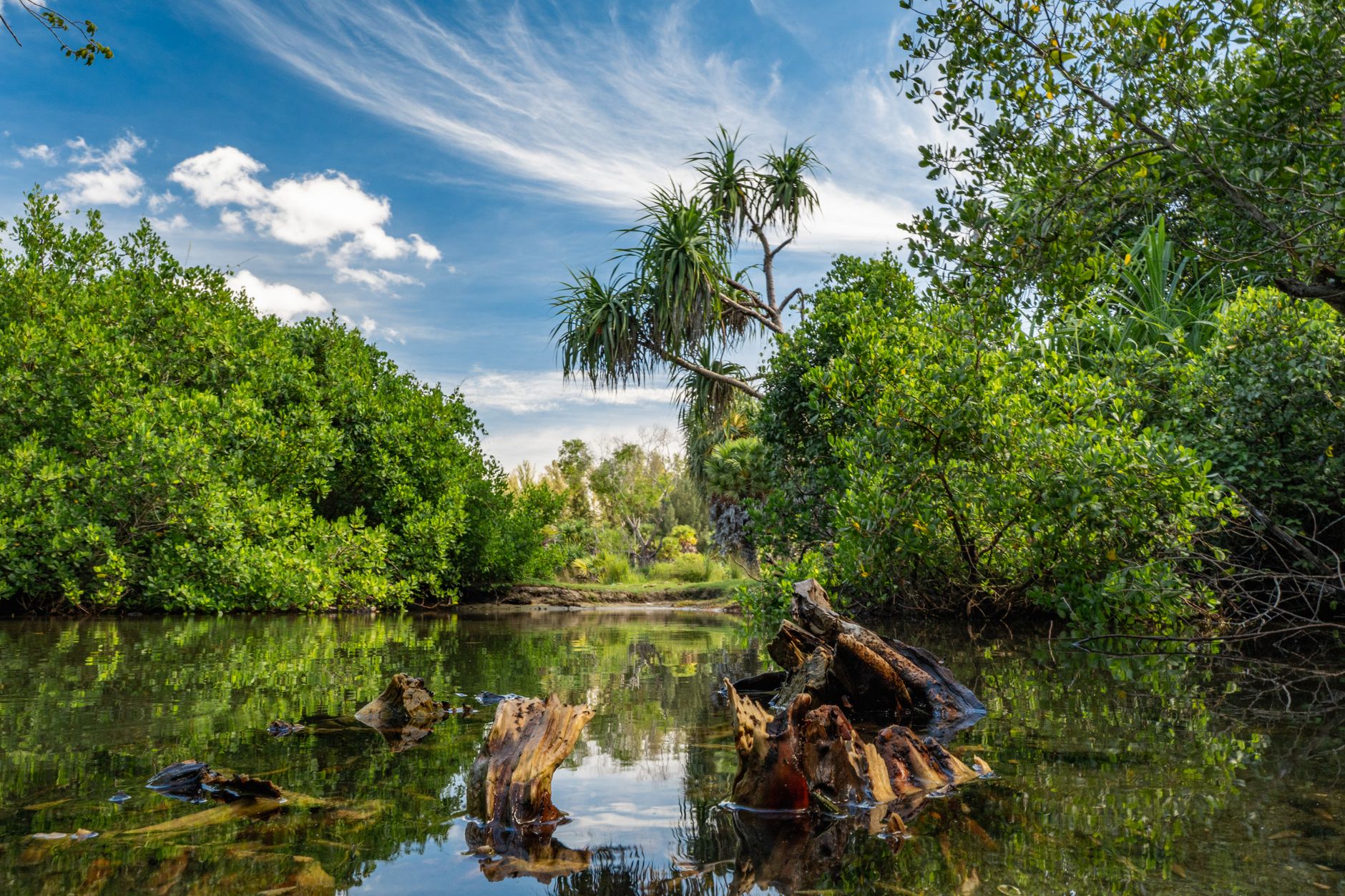
What is Eco Tourism Center Urani?
Eco Tourism Center Urani is a conservation-focused nature reserve and wildlife sanctuary. Located in the central highlands, it protects restored forest habitat and promotes sustainable community-based tourism. The centre runs guided nature walks, bird watching trips, and educational programmes. It's managed by local conservation groups and reinvests tourism revenue into habitat restoration and community projects.
Location and How to Get There
Urani lies in the central highlands, accessible from Kandy, Nuwara Eliya, and Ella. The exact location varies by season and access point—confirm current routes with your accommodation or a local guide before travelling.
From Kandy: approximately 50–70 km by road, 2–3 hours by vehicle plus hiking. From Ella: approximately 30–40 km, 1.5–2 hours by road plus guides. From Nuwara Eliya: approximately 40–60 km, 1.5–2.5 hours by road.
Related: Arugam Bay, Sri Lanka: Surf, Wildlife & Lagoon Guide
Related: Coral Beach Hotel Mirissa: Location, Access & What to Expect
Related: Matale with Family: What Works and What to Skip
Access requires a guide—the centre does not permit independent entry. Book guides through your hotel or contact local tourism operators in nearby towns. Four-wheel-drive vehicles are recommended during monsoon seasons (May–June, September–October).
Entry Fees and Costs
Entry fees are typically LKR 500–1,500 per person, depending on activity type and group size. Guided walk packages (half-day) cost LKR 2,000–4,000 per person in groups of 2–4. Full-day excursions with meals and transport from nearby towns run LKR 4,000–8,000 per person.
Guide fees are usually separate (LKR 1,500–3,000 per guide, per trip). Transport to and from the centre is not included in entry fees—arrange separately with your hotel or hire a private driver.
What to See and Do
Guided Nature Walks
The primary activity. Walks range from 2–6 hours and follow forest trails through regenerated habitat. You'll spot endemic birds, native plants, and occasional wildlife (leopards and sloth bears are rare but present). Early-morning walks (6:00–9:00 AM) yield the best animal sightings. Wear sturdy hiking boots, long trousers, and insect repellent.
Bird Watching
The centre is excellent for endemic and migratory birds. Species include Sri Lanka junglefowl, Sri Lanka blue magpie, red-faced malkoha, and various eagles and hornbills. Best October–April. Bring binoculars and a bird identification guide. Guides have local knowledge and can locate specific species.
Forest Restoration Areas
Guides show conservation projects—replanted native trees, wildlife corridors, and habitat recovery zones. Educational value is high; you'll learn how conservation works on the ground.
Photography and Sketching
The centre allows nature photography and sketching. Guides can position you for landscape and wildlife shots. Sunrise and golden-hour sessions (dawn and late afternoon) are most photogenic.
Best Time to Visit
Visit May–September or December–February. These periods have the most reliable weather and best wildlife activity. Avoid September–October (heavy monsoon) and March–April (hot, dry, animals less active).
May–September: Moderate rainfall, cool temperatures (12–18°C at night), lush vegetation, birds active. Roads can be muddy; 4WD recommended.
December–February: Dry, clear skies, cool mornings, animals more visible. Busiest season; book guides 1–2 weeks in advance.
Avoid:
- September–October: Heavy rain, landslide risk, poor visibility, guides often unavailable.
- March–April: Hot, dry, animals inactive, fewer sightings.
Practical Information
What to Bring
- Sturdy waterproof hiking boots (trails are steep and muddy in wet seasons).
- Rain jacket and trousers (even in dry season, mist and showers occur).
- Long sleeves and trousers (insect protection, sun protection).
- Binoculars and camera.
- Torch and spare batteries (early morning walks start in darkness).
- Water bottle (1.5–2 litres).
- Sun cream and hat.
- Insect repellent (DEET-based; mosquitoes and leeches present in wet season).
- Small snacks (energy bars, nuts).
- Medications (altitude sickness tablets if prone; the area is 1,500–1,800 m elevation).
Physical Difficulty
Trails are steep and uneven. Most walks involve 300–600 m elevation gain. Moderate fitness required. Not suitable for very young children or those with mobility issues. Allow extra time and inform guides of any fitness concerns.
Food and Water
Bring your own water; it's not reliably available on trails. Pack lunch or arrange packed meals through your guide or hotel. The nearest towns (Kandy, Nuwara Eliya, Ella) have restaurants; plan meals before entering the reserve.
Safety
Always use an official guide. Do not hike alone. Wildlife is generally shy, but leopards and sloth bears inhabit the area; follow guide instructions. Leeches are common in wet months—salt or insect repellent removes them. Altitude can cause mild headaches; drink water and descend if symptoms worsen.
How Long to Visit
A half-day visit (2–3 hours walking) suits those with limited time. You'll cover main trails and see birds and forest restoration zones. Full-day visits (5–6 hours) include breakfast, a longer walk, lunch, and evening wildlife spotting. Multi-day stays (arranged with local operators or homestays in nearby villages) allow deeper immersion and higher wildlife encounter rates.
Booking and Contact
Bookings are typically made through hotels in Kandy, Nuwara Eliya, or Ella. Direct contact information for the centre itself is limited; local guides and tourism operators in these towns handle reservations. Expect 1–2 weeks' notice for peak season (December–January). Confirm the exact meeting point and pickup time when booking.
Related Locations
The centre is within reach of several other highland attractions. Ella is 30–40 km away and offers colonial-era scenery, train journeys, and waterfalls. Best time to visit Ella overlaps with Urani (December–February, May–September). Kandy is 50–70 km north, home to the Temple of the Tooth and botanical gardens. The central highlands' cool climate and endemic wildlife make this region Sri Lanka's biodiversity hotspot.
FAQ
What is the closest town with accommodation? Ella, Kandy, and Nuwara Eliya are the nearest towns, each 30–70 km away. Book hotels in any of these and arrange day trips or multi-day excursions to Urani through your accommodation.
Is a guide mandatory? Yes. Independent entry is not permitted. Guides are essential for safety, navigation, and wildlife knowledge. They can be arranged through hotels or local tourism operators.
How many people typically visit per year? Exact figures are not published, but the centre is relatively quiet compared to mainstream attractions. Expect 5–20 visitors on most days, fewer during shoulder seasons.
Can I visit in the rainy season? Possible but not ideal. September–October is very wet; October monsoon often closes trails. If visiting in rainy months (May–June), confirm trail status with your guide beforehand. Wear waterproof gear and allow extra time.