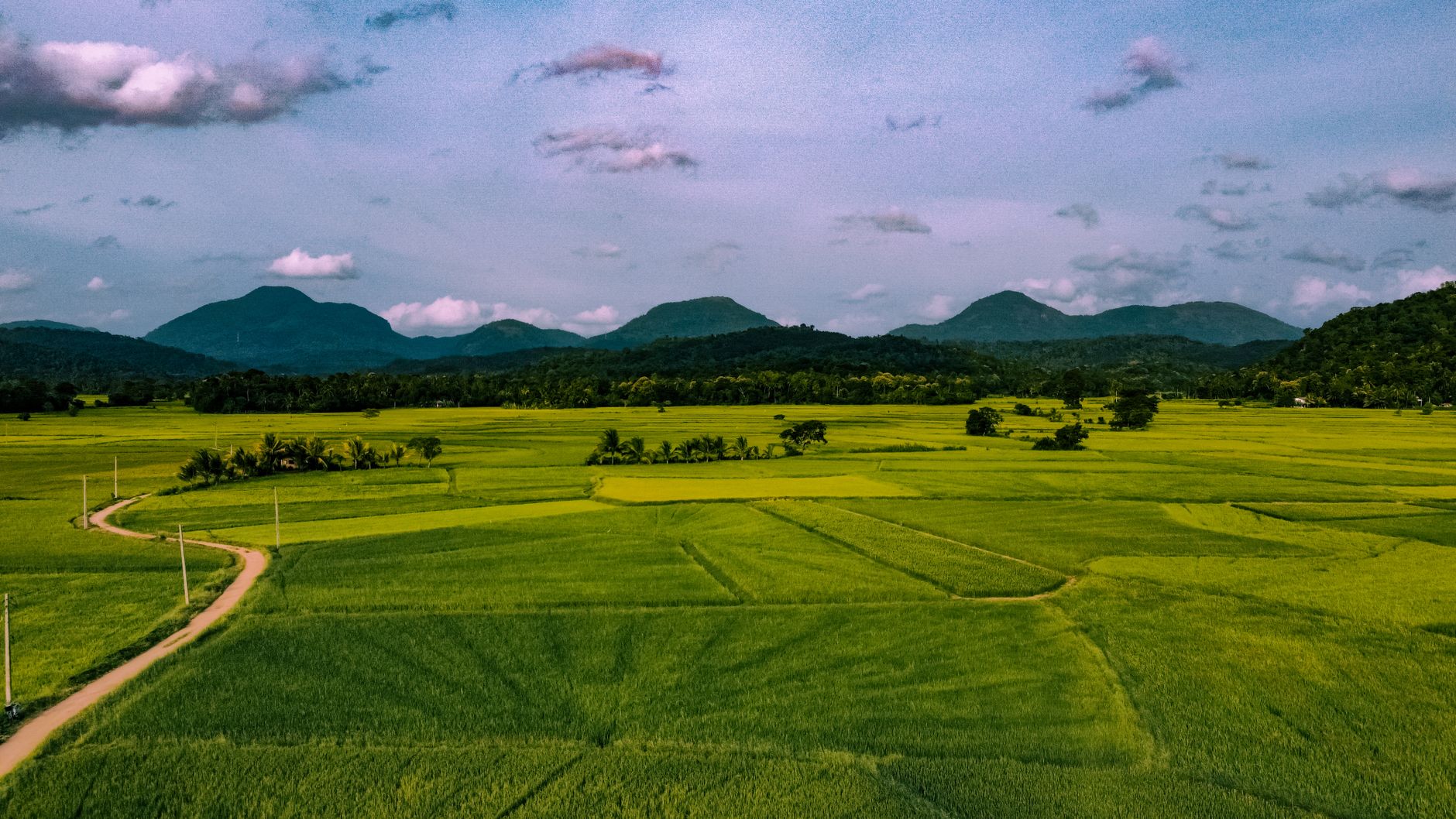
What is Golumale?
Golumale is a dramatic ridge trek in central Sri Lanka, running roughly north-to-south through the Knuckles Range. The route climbs roughly 800 metres from Riverston to the exposed ridgeline, then traverses a narrow, often-scrambled spine for several kilometres with steep drop-offs on both sides. It's genuinely technical terrain—not a walking path, but a mountaineering-lite experience that demands attention, fitness, and nerve. Most people complete it in 5–7 hours. Solitude is near-guaranteed.
Route Overview: Where Does Golumale Actually Go?
Golumale typically starts near Riverston (in the Kandy district, roughly 40 km northeast of Kandy town). The approach walk climbs steeply through forest and scrub to the ridgeline. Once you're on the ridge itself, the trek becomes a series of scrambles and narrow traverses along exposed limestone and rock. The ridgeline drops dramatically on both sides—in places, there are only a few metres of safe ground between you and a long fall.
The ridge itself runs for perhaps 3–4 km in its most serious section. Many trekkers exit via the same route they came in; others continue toward alternative descents depending on fitness, light, and local knowledge. Mobile signal is unreliable or absent across the ridge.
Related: Churches in Sri Lanka: Finding Places of Worship Near You
See also: Black Forest Beach Resort: Location, Facilities & What to Expect
See also: Mirissa for Solo Travellers: Safety and Practical Tips
Usually, the trek is done as a full day—start early (6–7 a.m.), summit by mid-morning, and exit before dark. Planning an overnight camp on the ridge is possible but rarely done; the exposure and weather risk are significant.
Difficulty Level: Be Honest About Your Fitness
Golumale is advanced-to-expert terrain. If you've done Pidurutalagala or Adam's Peak and found them straightforward, you're part-way there—but Golumale is a step up in both exposure and technical demand.
Fitness requirement: You need a strong cardiovascular base. The climb to the ridge is relentless and steep; many sections demand scrambling, not walking. You'll be using your hands on rock, pulling yourself up fixed roots and chains in places. Fit walkers should assume 2–3 hours to reach the ridge; others may take 4+.
Exposure risk: This is the real crux. The ridgeline itself is narrow and unfenced. On windy days or if you're unsteady on steep ground, the exposure can be genuinely unsettling. One slip could be serious. Vertigo sufferers should reconsider.
Weather dependency: Rain transforms Golumale from difficult to dangerous. Wet rock is slick; visibility vanishes into cloud; the ridge becomes a navigation puzzle. Never attempt this in heavy rain or when cloud is forecast to be low.
Best Time to Visit
Golumale is best between December and March (dry season) and again in August–September (second dry window). During these months, you're more likely to get clear visibility and safe ground conditions.
Avoid: May to September in particular carries high rainfall and cloud. The ridge disappears into mist for days on end, and loose rock becomes treacherous.
Dawn timing: Start by 6 a.m. at the latest. The ridge generates its own weather system—cloud builds by mid-morning and visibility drops. An early start also guarantees you're off the ridge before nightfall, which is critical for safety.
Gear and Preparation
- Proper footwear: Scrambling boots with ankle support and grip. Trail runners will not cut it on slick rock.
- Weather layer: Bring a windproof jacket and trousers. Even in December, the ridge can be cold and windy.
- Water: At least 2 litres. There's no reliable water source on the ridge itself.
- Navigation: Download offline maps (Maps.me works) or hire a local guide. The route isn't well-marked and scrambles can branch unexpectedly.
- First aid: Blister kit, painkillers, and something for minor cuts. Helicopter evacuation from the ridge takes hours and costs heavily.
- Headtorch: Essential as backup if you're slower than expected.
- Phone: Charged and in a waterproof case, but assume no signal.
Do You Need a Guide?
Strongly recommended, especially your first time. The ridge itself has several decision points where the safe path isn't obvious, and if you make a wrong scramble, backtracking is slow and demoralising. A local guide from the Riverston area costs around 3,500–4,500 LKR (£8–11) and knows the seasonal hazards, the safe scrambles, and where to exit if weather turns bad. They also reduce navigation anxiety so you can focus on the climbing itself.
Comparison: How Does Golumale Stack Up?
If you're deciding between central highlands treks:
Golumale vs Adam's Peak: Adam's Peak is longer (overnight climb) but far less technical and more crowded. Golumale is shorter and wilder, but steeper and more exposed.
Golumale vs Pidurutalagala: Pidurutalagala (Sri Lanka's highest peak) is a 5–6-hour day hike with steady climbing but no scrambling. Golumale is harder, more exposed, and less popular—but also less crowded.
Golumale vs Knuckles Range hiking: Knuckles offers multiple day walks at varying difficulty. Golumale is the most serious and most rewarding if you have the fitness.
For more on highland trekking, see /ella and /ella/best-time-to-visit for seasonal conditions across the central highlands.
Getting There
Riverston is roughly 40 km northeast of Kandy, accessible via Nalanda. From Kandy, a three-wheeler or hired driver will take 1–1.5 hours. The final approach to the trailhead involves narrow lanes; discuss parking and exact start points with your guide when you arrange them.
Recovery and Reality Check
Many trekkers underestimate the physical toll. Your legs will be sore for 2–3 days afterwards; your hands may have minor cuts or blisters. The descent is harder on the knees than the ascent. Plan a rest day afterwards if you have a tight itinerary.
FAQ
How long does Golumale actually take? Fit, experienced scramblers with a guide: 5–6 hours total. Less fit trekkers or those new to exposure: 7–8 hours. This includes breaks and photo stops.
Can I do Golumale in the wet season? Technically yes, but it's high-risk. Rock becomes slick, visibility drops, and rescue access is harder. If the forecast shows rain for your planned date, reschedule. It's not worth your life for a tick.
Will I need ropes or climbing gear? No. It's a scramble, not a rock climb. Fixed chains and ropes exist on some sections, installed and maintained by local trekkers. Your own gear (helmet, harness) won't help—this is a hiking route, just a very steep and exposed one.
What's the biggest mistake people make? Starting too late. By 10 a.m., cloud often rolls in, visibility halves, and you're fighting the clock to get down before dark. Leave before dawn.