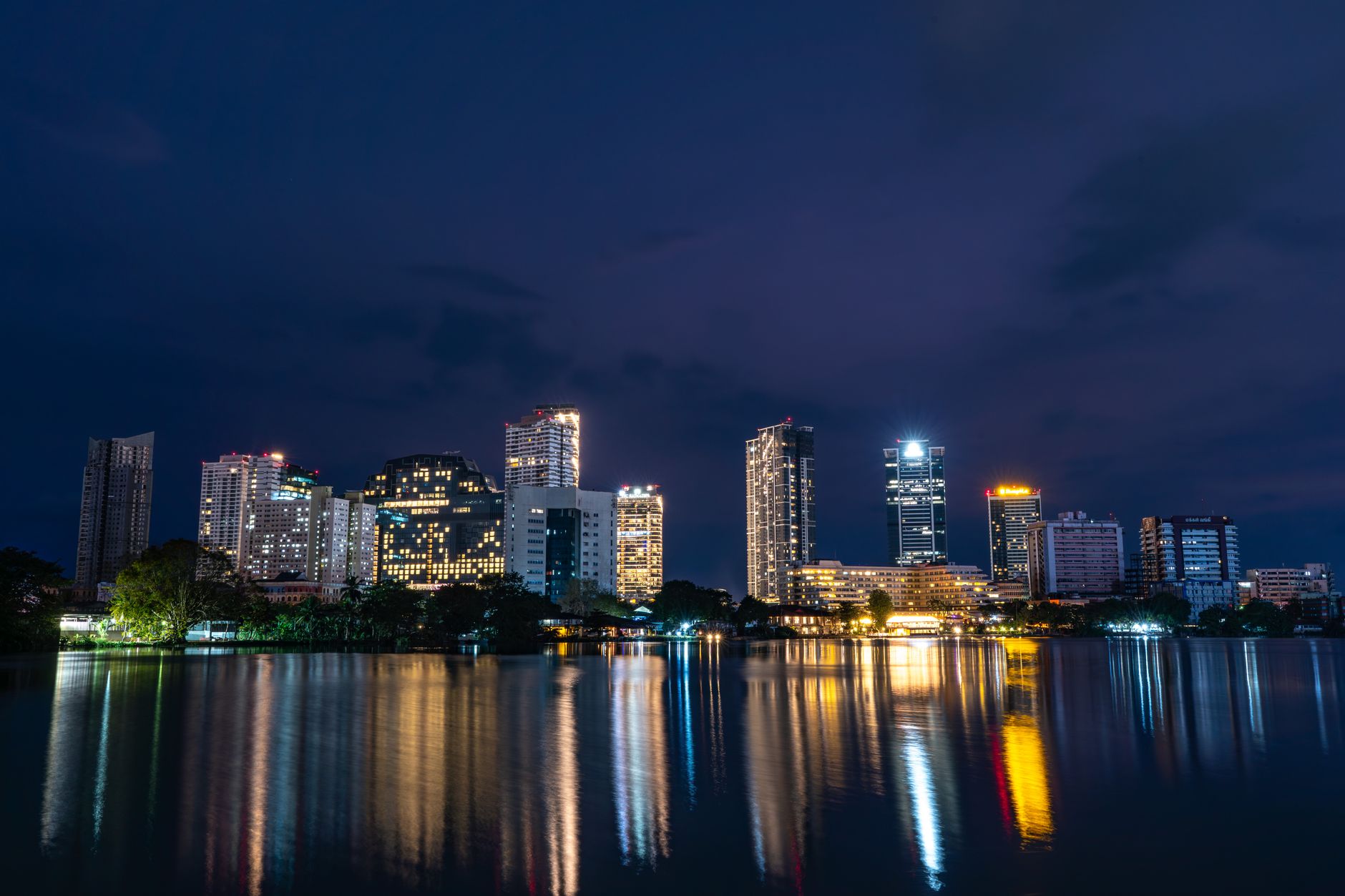
Hotels in Colombo, Sri Lanka: Where to Stay in the Capital
Colombo's hotel options cluster across distinct neighbourhoods, each with its own character, price point, and draw. You're not simply choosing a hotel here—you're choosing which part of the city's chaotic, humid, traffic-heavy rhythm you want to inhabit. Fort feels colonial and compressed; Galle Face offers sea breezes and ceremony; Colombo 5 (Maradhana) pulses with bars and restaurants; Colombo 7 and beyond provide quiet residential edges. Understanding these zones matters more than any single property review.
What defines each Colombo neighbourhood?
Fort District (Colombo 1) The oldest commercial heart, built during British rule. Hotels here sit within walking distance of the old Parliament, colonial buildings, and the Colombo Port. The architecture tends toward heritage conversions—old spice warehouses becoming boutique stays. Streets are narrow and congested; tuk-tuks and lorries dominate. Best for: historians, business travellers, those wanting walkable density. Expect noise, heat, and the smell of diesel exhaust on humid afternoons. Cooling winds are rare; you'll rely on air conditioning. Many colonial-era properties here lack soundproofing.
Galle Face Green (Colombo 3) The seaside promenade, tree-lined and ceremonial. Hotels face the Indian Ocean; the Galle Face Green itself is public space where families gather at dusk. The area feels more open and aerated than Fort, though the sea is polluted and swimming is inadvisable. The Hotel Galle Face (the historic property that gives the green its name) anchors this zone. Nearby hotels enjoy relative peace, sea breezes, and proximity to the old Colonial Golf Club. Best for: those seeking breathing room, evening walks, travellers who prefer calm over convenience. The area empties after dark; nightlife is minimal.
Related: Best Places in Sri Lanka for Tea Plantation Tours
See also: Coral Beach Hotel Mirissa: Location, Access & What to Expect
See also: Unawatuna for Solo Travellers: Safety and Practical Tips
Colombo 5 (Maradhana) The new business district and entertainment hub. Taller buildings, shopping centres, restaurants, bars, and nightclubs cluster here. Traffic is modern-Sri Lankan chaos—constant, loud, stalled. Hotels range from sleek chains to budget options. The neighbourhood has energy but little aesthetic appeal. Best for: those with business, those wanting nightlife and dining variety, younger travellers. Avoid if you value quiet; traffic noise persists until midnight. The humidity here feels trapped between high-rises.
Colombo 7 (Cinnamon Gardens) Residential, tree-lined, with colonial mansions converted to boutique hotels, apartments, and restaurants. Wider streets, larger properties, established gardens. The National Museum and Viharamahadevi Park sit nearby. Hotels here tend smaller and more character-driven. Best for: those with time, seeking a residential feel, those avoiding the noise and crush of central Colombo. Fewer tourists; more local flavour. You'll need a tuk-tuk to reach restaurants and sights—nothing is immediately walkable from here, but that's part of the appeal.
Colombo 15 (Dehiwala) and beyond Southern suburbs edging into Colombo proper. The Dehiwala Zoo sits here. Hotels are sporadic, often aimed at families or long-stay business travellers. Less touristy. Good for escaping intensity; requires transport to reach Colombo Centre.
Which neighbourhood suits your trip?
Business travellers: Colombo 5 or Fort. Hotels are purpose-built for meetings, with reliable WiFi and proximity to offices.
Culture and history seekers: Fort (colonial architecture, museums, old markets) or Colombo 7 (National Museum, Viharamahadevi Park, colonial estates).
Beachside and relaxation: Galle Face. You won't swim, but the psychological benefit of ocean proximity, open space, and evening walks matters.
Nightlife and dining: Colombo 5. Restaurants and bars are walkable; the energy is deliberate, not accidental.
Quiet base with local character: Colombo 7 or beyond. Sacrifice walkability; gain atmosphere and calm.
What to expect: practical realities
Heat and humidity: Colombo sits near the equator. Expect 28–32°C year-round, with 80–90% humidity. Your hotel must have reliable air conditioning and water supply. Power cuts are rare in central Colombo, but summer (May–September) can strain electrical systems. Check whether your chosen area has backup generators.
Traffic: Any hotel requires either acceptance of traffic noise or a location away from main roads. Fort and Colombo 5 are loud; Colombo 7 quieter but more isolated. Galle Face occupies a middle ground.
Water quality: Tap water is not safe to drink. Hotels provide bottled water or filtration. Check what's included in your room rate.
Monsoon season: Southwest monsoon (May–September) brings heavy rain, especially afternoons. North-east monsoon (December–February) is drier. Galle Face and Fort sit on slightly higher ground; southern suburbs flood more easily.
Cost variation: Budget hotels (shared bathrooms, no AC) cluster in Fort. Mid-range (private bath, AC, basic amenities) spread across all neighbourhoods. Upmarket properties sit in Galle Face, Colombo 7, and scattered in Colombo 5. Prices don't always correlate with quality; location and built-in cachet matter as much as facilities.
How to choose: a checklist
- Why are you in Colombo? Transit hub, business, cultural exploration, or base for day trips? This determines which area saves you time and stress.
- Noise tolerance: High in central zones; low in residential areas.
- Walkability preference: Fort and parts of Colombo 5 are walkable; Colombo 7 requires transport.
- Sightseeing plans: National Museum and park access favours Colombo 7; old city exploration favours Fort; beachside ceremony favours Galle Face.
- Local interaction: Colombo 7 and quieter zones; less so in business districts.
- Budget range: This affects which neighbourhood you can afford comfortably.
FAQ
Is Colombo safe for solo female travellers? Yes, with standard precautions. Stick to main areas, avoid walking alone late at night, use registered taxis or apps. Galle Face, Colombo 7, and Fort (during daylight) are well-populated. Hotel staff can advise on safe routes; trust their local knowledge.
How long should I stay in Colombo? One night if transiting. Two nights to walk Fort, visit a museum, and rest. Three nights to explore Colombo 7, Galle Face, and nearby areas (including a day trip to Kandy or Mount Lavinia). Colombo rewards brevity over length; most travellers base themselves elsewhere and visit for specific purposes.
When is the best time to stay in Colombo? December–March (dry, cooler, less rain). Avoid May–September (southwest monsoon, heavy afternoon downpours, high humidity). See Colombo's best time to visit for detailed climate data.
Do I need to book hotels in Colombo in advance? Not typically, unless visiting during festival season (Colombo Poruthon in October, New Year in April) or arriving mid-week during tourist season (December–February). Walk-in rates are often competitive, but advance booking guarantees your preferred neighbourhood and property type.