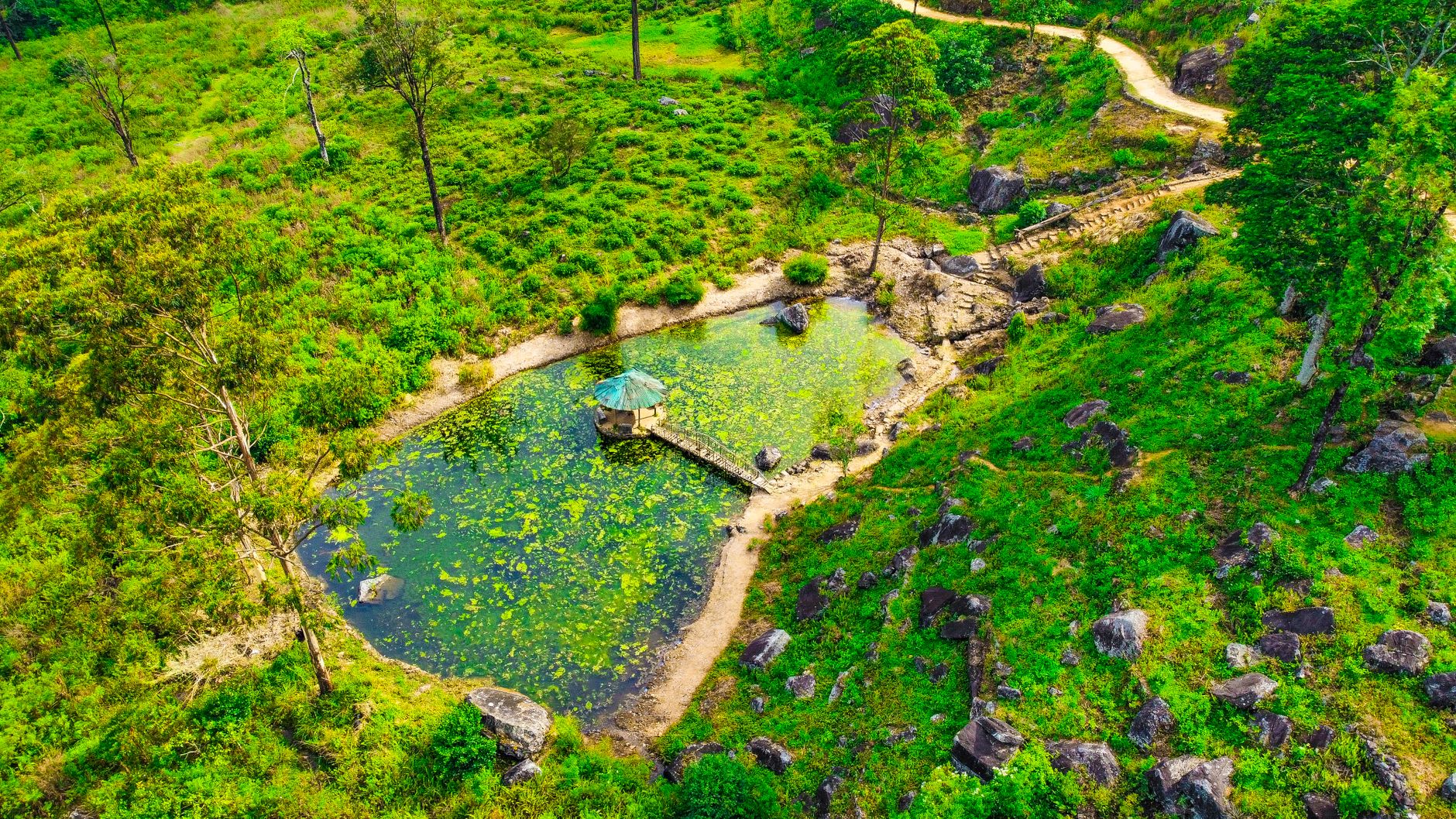
Balangoda won't deliver the postcard vistas of Ella or the wild energy of a national park, but it does offer something increasingly rare in Sri Lanka: a working hill-country town where tourism hasn't yet overwhelmed daily life. If you value atmosphere, agricultural authenticity, and access to Horton Plains over manicured experiences, it's worth a night or two. If you need restaurants, nightlife, or seamless tour logistics, you'll find better options elsewhere.
What actually makes Balangoda different?

The town sits at 600 metres elevation in Sri Lanka's cinnamon heartland, and you'll smell it before you understand it—that warm, sweet bark dust hangs in the air around processing facilities and drying yards. Unlike Kandy or Nuwara Eliya, there's no colonial grandeur here, no lake, no botanical gardens. Instead, you get the smell of cinnamon, the sight of locals buying vegetables at the market, and the genuine quiet of a place where foreign tourists are still uncommon enough to warrant a second glance.
The surrounding Belihuloya region (which many travellers group with Balangoda geographically) offers walking routes through plantations, tea estates visible from hillside vantage points, and direct access to Horton Plains National Park—one of Sri Lanka's most underrated highland ecosystems. That proximity alone justifies a stop if you're planning a Horton Plains trek.
Related: Ahangama Beach: A Quieter South Coast Discovery
Related: Pasikudah for Solo Travellers: Safety and Practical Tips
Related: Ekho Sigiriya: The Echo Phenomenon at Sri Lanka's Ancient Rock Fortress
When should you actually visit?

Balangoda's climate peaks between December and March, when days are clear, mornings crisp, and walking conditions reliable. The monsoon transforms the region (May to September): mist settles thick, roads become treacherous, and many guesthouses reduce hours. If you're trekking Horton Plains, aim for the dry season—visibility matters when you're walking a 2,000-metre plateau.
July to August brings green, lush hillsides and fewer tourists, but expect rain most afternoons and limited hot water in budget lodges. September to November offers a middle ground: drying out gradually, fewer crowds, but variable visibility.
Honest assessment: What you'll actually do here

There's no single "Balangoda experience" like there is in Ella (hiking Little Adam's Peak) or Sigiriya (climbing the rock). Instead, you string together smaller activities: a morning walk through a cinnamon plantation with a farmer explaining cultivation, lunch at a roadside café eating kottu roti or lamprais (the local rice-and-meat parcel), an afternoon in Belihuloya exploring walking trails through fern forests and tea fields, or a dawn start to Horton Plains.
If you're self-driving or comfortable with informal arrangements, you can hire a local guide—often through your accommodation—for plantation tours or village walks. The Backyard Balangoda (10.0/10 rating) positions itself as a base for this kind of exploration and offers better connectivity to local experiences than most. Belihuloya Bloom Fort Villa (9.6/10) is similarly positioned for deeper engagement with the region.
If you need structured tours, restaurant menus, or nightlife, the infrastructure simply doesn't exist at the level you'll find in Kandy or Nuwara Eliya. That's either liberating or limiting, depending on your travel style.
The Horton Plains connection
Balangoda sits roughly 50 kilometres south of Horton Plains National Park. If you're planning a trek there—and you should, if you're in the highlands—basing yourself in Balangoda or Belihuloya makes logistical sense. You'll save money compared to staying in Nuwara Eliya, and you'll avoid the pre-dawn convoy of tour buses from that town. The trade-off: fewer dining options the night before, and you'll need your own transport to the park gate (or arrange it through your hotel).
Horton Plains itself is worth 4-5 hours for the circuit walk and the World's End viewpoint. The plateau sits at 2,200 metres; on clear days, you see down to the south coast. On misty days, you see 50 metres. Both experiences are genuine, but timing matters enormously.
Practical reasons to skip it
Limited eating and drinking. You won't starve, but don't expect diverse menus or late-night options. Small cafés serve rice dishes, kottu, and short eats. Tourist restaurants exist, but they're inconsistent.
Accommodation is uneven. The Backyard Balangoda and Belihuloya Bloom Fort Villa offer genuine comfort and local knowledge. Below that tier, standards drop sharply. Budget places can be dingy; mid-range options sometimes lack hot water or reliable WiFi.
No single standout attraction. Unlike Sigiriya (the rock), Ella (Little Adam's Peak), or Galle (the fort), Balangoda doesn't have a landmark that justifies a day trip alone.
Transport is informal. Buses run, but schedules are erratic. If you don't have a vehicle, you're dependent on your hotel arranging transport or negotiating with tuk-tuks.
Practical reasons to visit it
Genuine hill-country atmosphere. You're in a working agricultural town, not a tourism stage set.
Cinnamon plantations. If you're curious about how Sri Lanka's signature spice is actually grown and processed, this is where to see it.
Gateway to Horton Plains. Better-positioned and cheaper than Nuwara Eliya for accessing the park.
Quiet. If crowds drain you, the lack of tourist infrastructure is a feature, not a bug.
Walking terrain. Forested paths, tea fields, and plantation routes offer genuine exploration without requiring permits or guide fees (though a local guide enriches the experience).
Where to stay, honestly
If you're committing a night, The Backyard Balangoda (5-star, 10.0/10) offers the clearest comfort and local connection—the kind of place where the owner will actually help you plan a meaningful morning walk rather than just pointing at a map.
Belihuloya Bloom Fort Villa (9.6/10) sits in the quieter Belihuloya valley and scores highly for the same reason: genuinely engaged hospitality paired with actual knowledge of what's worth doing locally.
Terico Resort (3-star, 8.8/10) offers mid-range comfort if you want something less boutique-focused.
Avoid places with ratings below 7.0 unless you're on an extremely tight budget and comfortable with basic conditions.
The honest verdict
Balangoda is worth visiting if you're already in the highlands and want to break the Ella-Kandy-Nuwara Eliya circuit. It's worth visiting if you're trekking Horton Plains and want a genuine base rather than a tourist town. It's worth visiting if cinnamon cultivation interests you or if you value quiet and authenticity over curated experiences.
It's not worth a detour if you have limited time, need reliable restaurants or shops, or want a clear, marketed "experience" to tick off. In that case, your time in the highlands is better spent elsewhere.
The question isn't really whether Balangoda is worth visiting—it's whether you travel to places because they're famous, or because they're real.
FAQ
How long should I stay in Balangoda? One night suffices if you're passing through; two nights allows a plantation walk and proper breathing space. More than that requires specific interests (photography, extended hiking, agricultural tourism).
Can I visit Balangoda without a vehicle? Difficult. Buses exist but run on loose schedules. If you don't hire a vehicle or arrange transport through your hotel, you're limited to walking the immediate town area. For Horton Plains or plantation tours, you'll need arranged transport.
Is it safe to walk around Balangoda town? Yes. It's a quiet, non-touristy town with low petty crime. Standard precautions apply (don't flash valuables, avoid walking alone very late), but it's safer than many Sri Lankan towns because it lacks the transient tourism economy that sometimes creates opportunistic theft.
What's the nearest city with better facilities? Kandy (roughly 60 km north) and Nuwara Eliya (roughly 50 km north) both offer more restaurants, shops, and accommodation variety. If you need those things, base yourself in one of those towns and day-trip to Balangoda, or skip it entirely for Horton Plains from Nuwara Eliya.