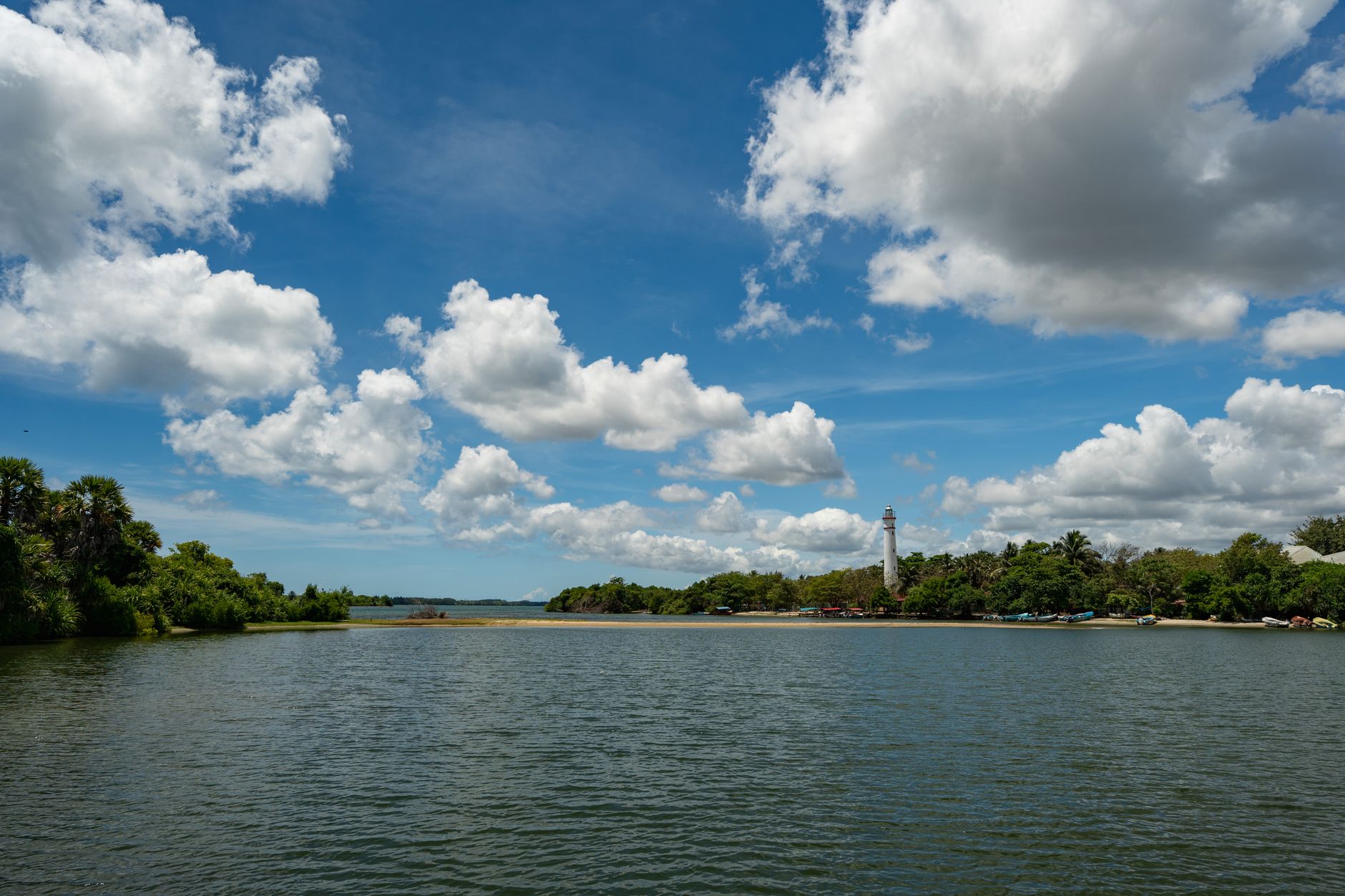
Kilinochchi rewards slow, thoughtful travel more than almost anywhere else in Sri Lanka. Four days here is enough to move through the town's war history and memorials, reach the Iranamadu Tank at dusk, make a day trip toward the Mullaitivu coast, and eat well at local Tamil restaurants — without rushing past the quiet that makes this part of the north so affecting.
Why does Kilinochchi deserve more than a passing stop?

Most travellers treat Kilinochchi as a brief pause on the A9 highway between Vavuniya and Jaffna, pausing for a photograph of the iconic water tower and pressing on. That is a shame, because the town and its surroundings carry a layered story about the final years of Sri Lanka's civil war and the gradual, uneven process of recovery that followed. Spending four days here allows you to read that story properly — through memorials, conversations, landscapes, and the simple act of sitting in a tea shop long enough for someone to want to talk.
The infrastructure is modest, the tourist trail is almost nonexistent, and that is precisely what makes it worth your attention.
Related: Dompe in 4 Days: The Complete Itinerary
See also: Mirissa in 2 Days: What to See and Where to Stay
Related: Hikkaduwa in 4 Days: The Complete Itinerary
Where should you stay in Kilinochchi?

Accommodation in Kilinochchi is limited but improving. The most comfortable option with the most consistent recent feedback is Northjoy Resort Villa, which holds an impressive 9.6 rating from guests and offers a more relaxed setting than the town centre — useful if you want a quiet base after days that can be emotionally demanding. Similarly rated, ReeCha Mullai Hotel also scores 9.6 and sits within the broader Reecha group that has become a familiar name in the Vanni region's hospitality scene; it is a practical, locally run choice.
If you prefer something slightly more formal, ReeCha Kurinji Resort carries a four-star classification and suits travellers who want a little more structure to their stay. Reviews are limited so far, but the resort represents the kind of investment in tourism infrastructure the north is gradually building. For those willing to extend the trip toward Jaffna, AKR Hotel Jaffna is an option for the final night if you choose to end there rather than doubling back.
Day One: Arriving and orienting yourself in the town

Arrive from the south via the A9 — the highway itself is part of the experience, passing through checkpoint towns and flat scrubland that feels unlike anywhere else in the country. Check in and spend the first afternoon walking the town centre without an agenda. The market area near the main road hums with vegetable sellers, tea stalls, and the particular rhythm of a Tamil town in the north — tuk-tuks, Tamil film music drifting from mobile phone speakers, and the smell of freshly ground spices.
In the evening, find a local restaurant serving rice and curry. The cuisine here draws on northern Tamil cooking traditions: more tamarind, more dried fish, less coconut milk than you might find in Colombo. Eat with your hands if you are comfortable doing so, and take your time.
Day Two: The memorials and what they ask of you
Kilinochchi is best known internationally as the former administrative capital of the LTTE, and the landscape is dotted with memorials that require careful, respectful engagement. The collapsed water tower — struck during the final stages of the war — is the town's most photographed landmark, left deliberately as it fell. Stand in front of it and think about what that means before reaching for your camera.
Beyond the tower, ask locally about access to other sites of remembrance; what is accessible shifts over time and local guidance matters more than any fixed list. Engage with context before you visit: reading even a short account of the war's final phase will make what you see significantly more meaningful.
Spend the afternoon at the Iranamadu Tank, one of the largest irrigation reservoirs in the north. In the late afternoon light it is vast and calm, with fishing boats and egrets and a silence that feels earned. This is a good place to simply sit.
Day Three: The road toward Mullaitivu
A day trip east toward Mullaitivu opens up a different register of the Vanni — coastal, windswept, and marked by the war's final chapter in ways that are even more raw than Kilinochchi itself. The drive takes roughly ninety minutes each way and passes through small villages where reconstruction is still very visibly ongoing.
At the coast, the landscape has a stark, open beauty: shallow lagoons, palmyra palms, and an enormous sky. PTK (Puthukkudiyiruppu) and the surrounding area carry enormous historical weight; approach it with the same care as the memorials in town. Return to Kilinochchi before dark and eat at a different local spot than the night before — the Vanni has its own take on kottu and string hoppers that is worth exploring across multiple meals.
Day Four: Slower hours and heading onward
Save the final morning for the things you want to return to: another loop around the market, a longer conversation over tea, or simply sitting with the particular quality of light in this flat northern landscape. Kilinochchi does not have a list of attractions to tick off, and that is not a flaw — it is the nature of travel here.
From Kilinochchi you can head north to Jaffna in under two hours, which makes a natural continuation of a northern circuit. Alternatively, head south if you are looping back through Anuradhapura toward the cultural triangle. Either way, the four days will have given you something less easy to summarise than a beach resort or a hill town — which is its own kind of value.
How does Kilinochchi compare to visiting Jaffna?
Jaffna is more developed as a destination, with a wider range of restaurants, more accommodation options, and a denser cluster of temples, forts, and islands to visit. Kilinochchi is quieter, heavier, and more focused on a single historical and emotional thread. The two complement each other well — Jaffna gives you cultural richness and relative ease, while Kilinochchi demands more of you and gives back something harder to name. If you have time for both, do both. If you must choose one for a short trip, Jaffna offers more variety; if you are drawn specifically to post-war history and want to understand the north's recent past, Kilinochchi is the more direct route into that story.
For more on planning the broader region, the Jaffna travel guide and notes on the best time to visit Jaffna are worth reading alongside this itinerary.
FAQ
Is Kilinochchi safe to visit in 2026? Yes. The town is open to visitors, and travellers move freely through the region. The north of Sri Lanka has been at peace for well over a decade. Standard travel awareness applies, but there are no particular safety concerns for tourists.
Do I need a guide to visit the war memorials? Not strictly, but local guidance adds significant context. Some sites have shifting access arrangements, and speaking with residents or a locally based guide helps you understand what you are seeing in ways that signs alone cannot provide.
What is the best way to get to Kilinochchi? By road via the A9 highway, either in a private car or by long-distance bus from Colombo or Vavuniya. The bus journey from Colombo takes roughly seven to eight hours. There is no train service to Kilinochchi.
When is the best time of year to visit? Between May and September, when the northeast monsoon has passed and the weather is dry and manageable. The northeast monsoon affects the Vanni between October and January, when heavy rain can make road travel difficult and some areas temporarily inaccessible.