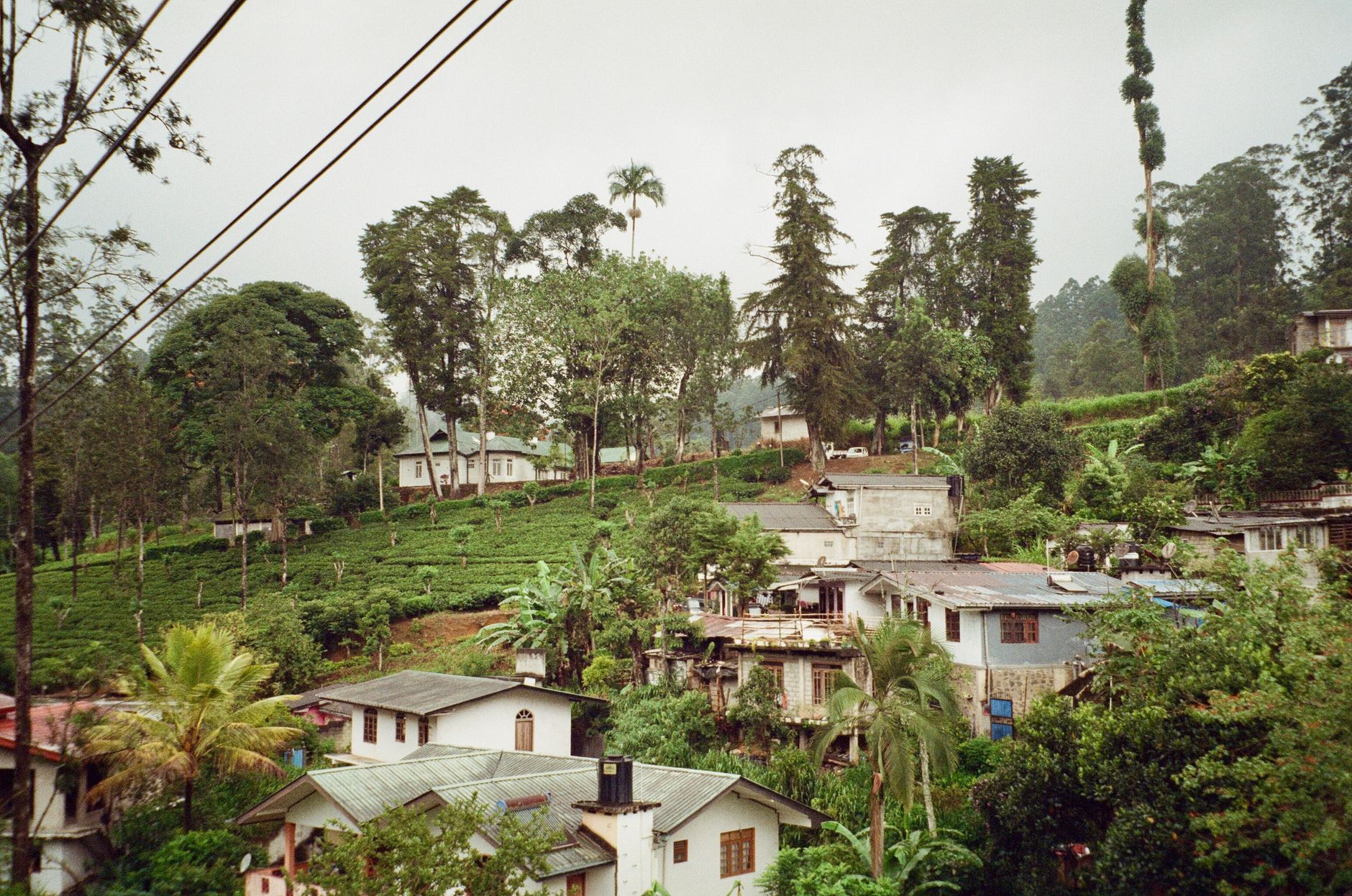
Four days in Kotapola is genuinely enough time to move through this small, green corner of Sri Lanka's deep south at a pace that actually lets the place sink in. You'll reach the fringes of Sinharaja World Heritage Rainforest, wake to birdsong, eat home-cooked meals, and come away understanding why serious birdwatchers and nature travellers keep returning here rather than passing through.
Kotapola sits close to Deniyaya in the Matara District, and the two names often get used interchangeably when people talk about the southern gateway into Sinharaja. For the purposes of this itinerary, treat them as one loose area — your base, your forest access point, and your food scene all rolled into a quiet landscape of rubber trees, river crossings, and mist.
How Should You Structure 4 Days in Kotapola?
The most rewarding approach is to spend your first day arriving and orienting yourself, your middle two days going deep into Sinharaja activities at different times of day, and your final day doing something slower — a village walk, a local market, or simply sitting somewhere with a view before you leave. This avoids the trap of cramming every forest walk into back-to-back mornings and leaving no room to absorb what you've seen.
Related: Kandy in 2 Days: What to See and Where to Stay
See also: Mirissa in 2 Days: What to See and Where to Stay
See also: Narammala in 4 Days: The Complete Itinerary
Day 1: Arrive, Settle, and Walk the Edges at Dusk
If you're coming from Galle or Colombo, budget four to five hours for the journey; the roads into Kotapola narrow considerably past Deniyaya and the last stretch can be slow. Arrive by early afternoon if you can.
Spend your first evening doing very little beyond a short walk along the river or the rubber estate tracks near your lodge. The light here in late afternoon is extraordinary — low and filtered through layers of canopy — and you'll start hearing the forest before you see much of it. Ask your guesthouse what birds are currently active; a host who knows the area will give you a meaningful answer, and that conversation often sets the tone for everything that follows.
For accommodation, Sinharaja Vini Villa carries an impressive guest rating for a four-star property and positions you well for early morning access. If you're travelling on a tighter budget, Sinharaja Forest Edge Guest House and Sinharaja Rest both rate 8.5 out of 10 from verified guests, which is a meaningful signal given how honest reviewers tend to be about remote guesthouses.
Day 2: Early Morning Sinharaja Forest Walk
This is the day you commit to an early start — ideally leaving your lodge by 5:30 or 6:00 am. Sinharaja is genuinely best experienced at dawn, when the endemic bird species are most vocal and most visible, and before the midday humidity makes everything feel thick and demanding.
A licensed guide is not optional here; it's the difference between walking through green noise and actually understanding what you're moving through. Your lodge will almost certainly have contacts, but if not, the Sinharaja Forest Department office near the Kudawa or Pitadeniya entrances can help. Expect a walk of three to five hours depending on your fitness and how often you stop — and you will stop, repeatedly, because the biodiversity is dense enough to hold even non-specialists in place.
Look for the Sri Lanka blue magpie, the red-faced malkoha, the green-billed coucal, and the Layard's parakeet. Mixed feeding flocks move through the forest in waves, and a good guide will hold you still as one passes overhead. After the walk, lunch back at your lodge or in Deniyaya town is a welcome reset. The afternoon is yours — rest, read, or ask about local spice gardens that sometimes allow informal visits.
Day 3: Village Life, Tea Country, and a Different Trail
Today is about context rather than deep forest. Kotapola and Deniyaya sit within a landscape that mixes Sinharaja's protected core with working tea estates, smallholder rubber plots, and village communities that have lived alongside the forest for generations. A walk through that working landscape — ideally with someone local who can explain what you're looking at — gives the previous day's forest experience a richer frame.
If you have a vehicle, the drive toward Haputale or through the tea highlands above Deniyaya is worth doing in full, not as a rushing transit but as a slow loop with stops. The road itself is the experience.
For the afternoon, consider arranging a visit to a small tea factory if one is operating near your accommodation. These are rarely formal tourist operations; they're working facilities that occasionally welcome curious visitors, and the smell of fresh-cut tea leaves being withered is something you won't easily forget.
Rainforest Nest holds a 9.9 out of 10 rating from its guests — remarkable for any property — and is worth booking early if you want a genuinely attentive stay. Saru Blue Sapphire Hotel carries a 9.7 rating and represents the most polished option in the area if that matters to your travel style. At the other end, Blue Magpie Lodge at 8.2 out of 10 offers honest value with a name that signals exactly where it's positioned.
Day 4: Slow Morning, Local Market, Departure
Don't try to squeeze another full forest walk into your last morning. Instead, use the time to walk through Deniyaya's small market if it's a market day — vendors selling local produce, spices, dried fish, and the kind of domestic goods that tell you more about daily life here than any itinerary point can. Have a breakfast of string hoppers or pol roti at a local bakery rather than your lodge, just to sit somewhere unremarkable and watch the town move.
If your departure is afternoon or later, the drive out through the rubber estates has its own quiet beauty, and stopping at a roadside stall for king coconut or woodapple juice somewhere between Kotapola and the main highway is worth the five minutes it costs you.
For those continuing southward, Mirissa is reachable within a few hours and offers a complete change of pace and landscape — useful if you want to end a Sri Lanka trip near the coast.
Which Hotels in Kotapola Are Worth Booking?
Here's a clear comparison to help you decide:
- Best-rated overall: Rainforest Nest (9.9/10) and Sinharaja Vini Villa (9.9/10) — both exceptional by any measure
- Best mid-range option: Sinharaja Rest or Sinharaja Forest Edge Guest House, both rating 8.5/10 with solid review counts
- Budget-conscious: Deniyaya National Motel at 7.8/10 is a dependable fallback
- Most polished experience: Saru Blue Sapphire Hotel at 9.7/10 with a five-star classification
- Worth noting with caution: The Rainforest Ecolodge and 360 Rainforest carry lower ratings (6.6 and 6.2 respectively) relative to others in the area
Eco Villa - Sinharaja and lavenro hotel & resort both hold 8.5/10 ratings with smaller review counts — solid options if the higher-rated properties are full. Rainforest Lodge Deniyaya Singheraja sits at 7.7/10 and is a workable choice for those prioritising forest proximity over facilities.
FAQ
Do I need a guide to enter Sinharaja Rainforest? Yes, a licensed forest guide is required to enter most sections of Sinharaja. Your accommodation can usually arrange this, and it genuinely adds to the experience rather than constraining it — the forest is complex enough that going alone would mean missing most of what makes it worth visiting.
What is the best time of year to visit Kotapola? The area receives rain year-round as part of its rainforest ecology, but the drier spells between January and April and again around August tend to make forest walking more comfortable. Some birdwatchers specifically visit during wetter months for the lush activity, so it depends on your tolerance for rain.
Is 4 days too long for Kotapola, or not enough? Four days is well-matched to the area for most visitors. Two days feels rushed; five or more days would suit dedicated birdwatchers or those doing serious trail research. For most travellers combining Kotapola with a broader Sri Lanka route, four days strikes the right balance.
How do I get to Kotapola from Colombo or the south coast? By car or private driver is the most practical option — the journey from Colombo takes roughly four to five hours, and from Galle or Unawatuna around two and a half to three hours. Public buses reach Deniyaya, from where three-wheelers can take you the final stretch, but the connections are slow and infrequent enough that most visitors arrange private transport.