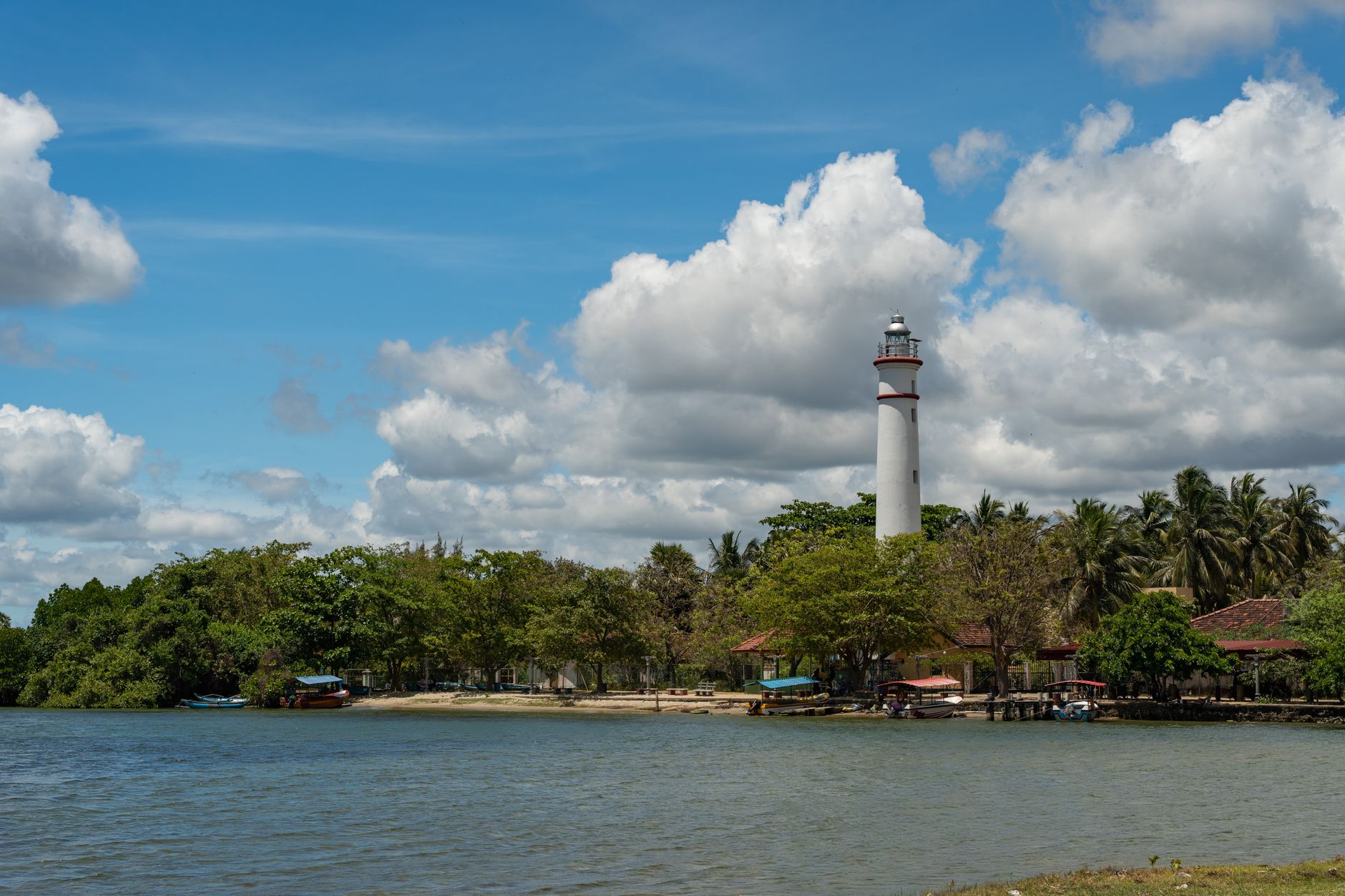
Four days gives you enough time to cross the causeway, scan the salt flats for flamingos, stand under baobabs that arrived with Arab traders centuries ago, and sit quietly at a lagoon edge while painted storks wade through the shallows. Mannar moves slowly — and that's exactly the point.
Is Mannar worth visiting for four days?

Yes, though it rewards visitors who lean into its sparse, salt-bleached character rather than expecting the lush scenery of Ella or the ancient city density of the Cultural Triangle. The peninsula and island sit in Sri Lanka's driest corner, and that aridity is precisely what concentrates bird life at the lagoons and mudflats. Four days is the sweet spot: enough for the key sites without the repetition that makes three-day trips feel rushed and five-day trips feel padded.
When is the best time to do this itinerary?

November through April is the window. Flamingos — both greater and lesser — arrive at the Vankalai Sanctuary lagoons from around October and numbers peak between December and March. Migratory waders and ducks are present through April. May to September brings the southwest monsoon's outer edge; roads on the island flood occasionally, and the heat is punishing without the bird spectacle to justify it. If you're planning ahead, the best time to visit Mannar breaks this down month by month.
Related: Pinnawala in 2 Days: What to See and Where to Stay
See also: Colombo in 2 Days: What to See and Where to Stay
See also: Matale in 4 Days: The Complete Itinerary
Day 1: Arrive, orient, and reach the causeway

Most visitors come from Colombo (roughly 4.5 hours by road through Puttalam) or from Vavuniya (about 1.5 hours). Arrive by early afternoon if possible.
After dropping bags, drive or tuk-tuk the 3 km Mannar Causeway connecting mainland Sri Lanka to Mannar Island. Stop midway — the views across the shallow Gulf of Mannar are quietly extraordinary, particularly in the late afternoon when the water turns copper. On clear days you can trace the low scrub of the island ahead and the Indian coastline sits just beyond the horizon.
Spend the last hour before sunset at the old Mannar Fort, a Dutch-era structure in various states of decay but still photogenic. Local fishermen dry nets along the outer walls. Don't expect a polished heritage site — expect weathered coral stone and a real working harbour smell.
Where to stay: The Palmyrah House is the standout choice — rated 8.6/10 from genuine reviews, it offers the kind of considered hospitality that's rare in this part of the north. Book ahead; it's small. Budget travellers can look at Hotel GateWay Inn or Juli Reception Hotel for simpler rooms in town.
Day 2: Vankalai Sanctuary and the flamingo flats
Leave by 6 am. Vankalai Sanctuary, on the northwestern edge of Mannar Island, is the reason serious birders make this journey. The lagoon system holds flamingos in large numbers through the winter months — sometimes several thousand birds wading in formation across the shallows, feeding by sweeping their bent bills through the brine. Greater flamingos are the more common species here; lesser flamingos are smaller and deeper pink.
Bring binoculars. The birds are rarely close enough for phone photography to be satisfying, but watching a column of several hundred take flight — wings snapping open to reveal black-and-crimson undersides — is worth the early alarm. Painted storks, black-headed ibis, and Eurasian spoonbills work the same mudflats.
Return by mid-morning, rest through the midday heat (32–36°C is normal in this season), then head to Thiruketheeswaram Temple in the afternoon — one of the five sacred Shiva temples of ancient Tamil tradition, with a large tank and good light for photography in the 4–5 pm window.
Day 3: Adam's Bridge viewpoint and the baobab trees
This is the island's most photogenic day. Drive to the northern tip of Mannar Island to reach the viewpoint towards Adam's Bridge (also called Rama's Bridge) — the chain of limestone shoals, sandbanks, and small islands stretching towards Rameswaram in India. You cannot walk it (it's submerged and protected), but the view from the shore is striking: scrub-lined track giving way abruptly to blinding white sand and turquoise water, with the shoals visible as dark shapes just beneath the surface.
On the return, stop at Mannar Town to see the baobab trees. These enormous, barrel-trunked trees — native to Africa and Madagascar — were almost certainly brought to Sri Lanka by Arab traders somewhere between the 9th and 15th centuries. The oldest specimens here are estimated to be over 700 years old. They look entirely alien against the flat scrubland: vast, pale-barked, and leafless for much of the year, with trunks wide enough that three people linking hands can barely encircle them. This is one of the most genuinely unusual natural sights in the country.
Afternoon: hire a local boat (arrange through your guesthouse the evening before) for a short lagoon trip on the eastern side of the island. Target species include Indian skimmers and various tern species in the right season.
Day 4: Morning birds, then depart
Use the final morning for a return visit to whichever lagoon edge produced the most activity on Day 2, or ask your accommodation about any new sightings — bird numbers shift daily depending on wind and tidal conditions. Serious birders should look for the crab-plover, an unusual wader with a heavy black bill that favours Mannar's tidal mudflats over most other Sri Lankan sites.
Leave by 10–11 am for a comfortable onward journey. Common next destinations include Jaffna (2.5 hours north, a complete contrast in culture and cuisine) or a return south towards Colombo or Anuradhapura.
Mannar hotel comparison
| Hotel | Rating | Best for |
|---|---|---|
| The Palmyrah House | 8.6/10 | Comfort, service, memorable stay |
| Hotel GateWay Inn | 6.9/10 | Budget, central location |
| Juli Reception Hotel | 6.8/10 | Budget, basic rooms |
| AKR Rooms | Listed 4-star | Newer option, no reviews yet |
| VICTORY'S RESIDENCE | Listed 3-star | Newer option, no reviews yet |
| K2S Home Stay Mannar | 5.6/10 | Homestay atmosphere |
For most visitors, The Palmyrah House is the clear recommendation if budget allows. If it's full, Hotel GateWay Inn is the next most reviewed option.
Practical logistics
Mannar has no reliable public transport within the island — rent a tuk-tuk for the day (negotiate a full-day rate the evening before) or hire a car with driver from Colombo or Vavuniya. Petrol stations exist on the island but close early. Carry cash; ATMs exist in Mannar Town but can run dry on weekends. Restaurants are basic — the guesthouses generally serve better food than the town's small eateries, so inform your accommodation if you want dinner.
For broader context on the north's travel logistics, the Mannar travel guide covers transport connections in more detail.
FAQ
Can I see flamingos reliably in Mannar? Between December and March, yes — numbers at Vankalai Sanctuary regularly reach into the thousands. Outside November–April, sightings become unpredictable and often zero.
Is four days enough for Mannar, or should I add more? Four days covers all the main sites without repetition. A fifth day is only worth adding if you're a dedicated birder wanting to explore additional lagoon systems at different tidal windows.
How do I get from Mannar to Jaffna? By road via the A14/A9 — roughly 2.5 hours in a private vehicle. There are daily buses, but journey times are less predictable. No train connection currently runs this route.
Is Mannar safe to visit? Yes. The northern region has been fully open to civilian travel since 2009. Roads, accommodation, and infrastructure have improved steadily. Some areas near former conflict zones have demining signage — stay on established tracks in those areas, which your local tuk-tuk driver will know.