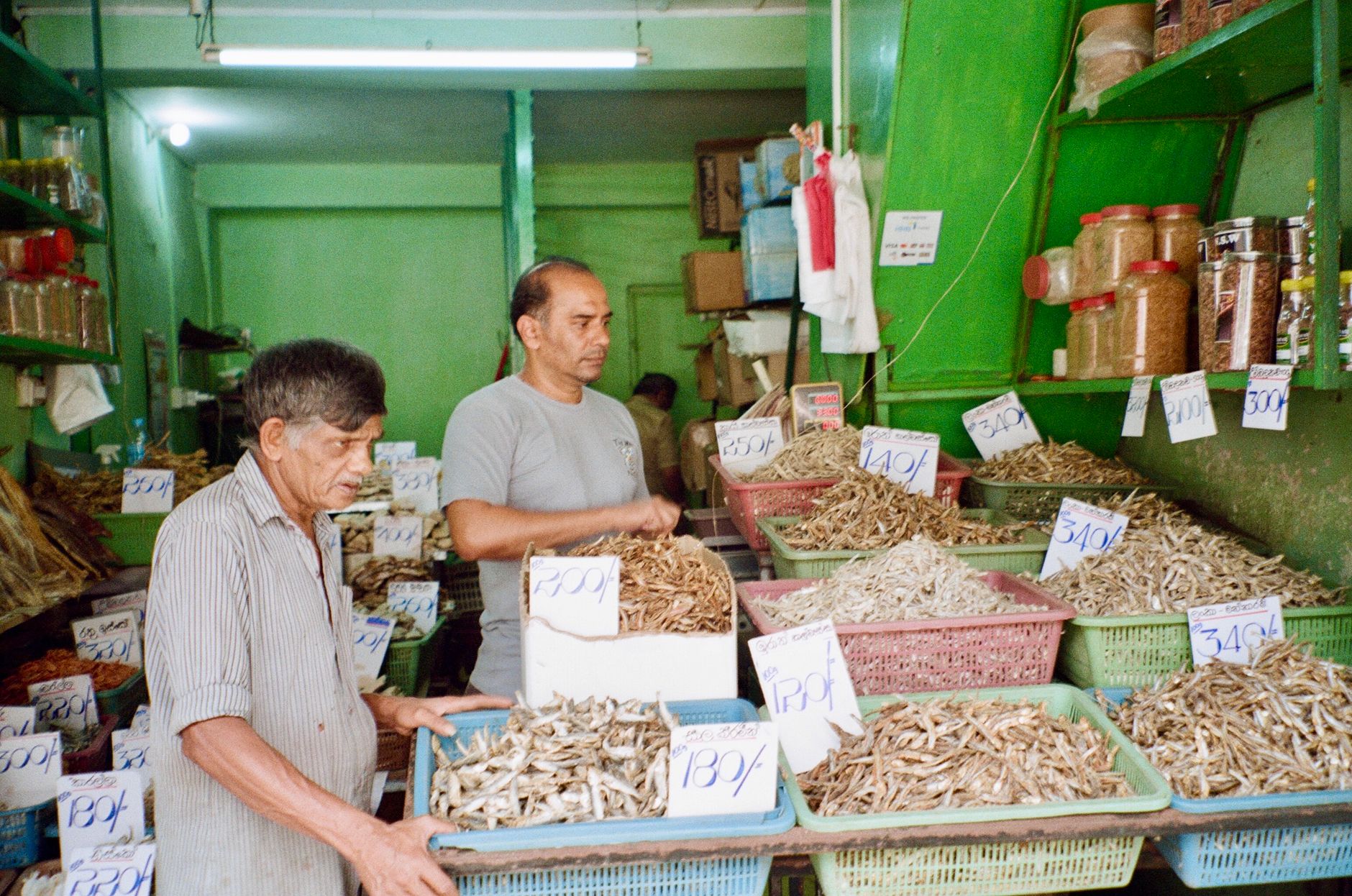
Money and Currency Tips for Sri Lanka Travel
Sri Lanka's currency is the Sri Lankan Rupee (LKR). Exchange rates sit around 330–340 rupees per US dollar (as of August 2026), though this fluctuates. The practical approach: carry both cash and a debit or credit card, use ATMs in towns, and avoid changing money at the airport. Tourist areas inflate prices substantially—knowing how to manage money here separates realistic budgets from shock at checkout.
Should you use ATMs or bring cash?
ATMs are widespread in Colombo, Kandy, Ella, Galle, and other towns, but unreliable in remote areas. Withdraw from ATMs when you can—rates are better than airport or hotel exchanges. Bring USD 500–1,000 in cash as a backup if you're travelling for 2+ weeks or visiting villages. ATM fees typically run 250–500 LKR per transaction, so withdraw larger amounts to reduce trips.
Credit and debit cards (Visa, Mastercard) work in mid-range hotels, restaurants, and shops, but many small guesthouses and street vendors accept cash only. Assume 60% of your spending will require rupees in hand.
Related: Sri Lanka Travel Guide for Indian Tourists
See also: Sri Lanka Travel Guide for German Tourists: Planning Your Visit
Related: Sri Lanka Travel Guide for Russian Tourists: Essential Information
What's a realistic daily budget?
Mid-range travellers should budget ₨3,000–5,000 per day (USD 9–15) for accommodation, food, and local transport. This covers a modest guesthouse (₨2,000–3,000), meals at local restaurants (₨400–800 each), and tuk-tuk fares (₨100–300). Budget travel drops to ₨2,000–3,000 if you share rooms and eat from street stalls. Upmarket tourism (hotels, private drivers, restaurants in tourist zones) costs ₨8,000–15,000+ daily.
Where are the currency traps?
Airport and hotel exchanges: Rates are 5–10% worse than ATMs. Avoid entirely unless desperate. Tourist menus: Restaurants near beaches and temples price dishes at 3–4× local rates. Eat where locals queue, not where menus have pictures. Tuk-tuk drivers and unofficial guides: Always agree on prices before travel; many quote in US dollars to confuse. Souvenir shops: Haggle aggressively (expect 30–50% discounts), and check items aren't overcharged for tourists.
How should you carry and protect money?
Split cash between your wallet, a money belt, and your accommodation safe. Pickpocketing occurs in crowded markets and on buses; use a crossbody bag and keep valuables away from crowds. Avoid displaying large wads of cash. Keep card details and PIN separate from cards. Inform your bank you're travelling to avoid card blocks, though most UK and US banks work without notification.
Credit cards versus cash: which wins?
Cards are safer and offer fraud protection but incur 2–3% forex fees on most transactions. Cash is universally accepted in rural areas and haggling markets, but carries theft risk. Compromise: use cards for hotels and flights, cash for daily spending and markets. Always have small rupee notes (₨500–1,000) for tuk-tuks and tea stalls—drivers rarely carry change.
Are there other payment options?
Mobile payments (Dialog, Airtel) exist locally but require a local SIM and registration. Not practical for short trips. Cryptocurrency has minimal use here. Traveller's cheques are obsolete; avoid them. PayPal doesn't operate widely in Sri Lanka.
Regional price differences
Coastal and hill-station towns charge more. Ella guesthouses run ₨2,500–4,000; Colombo runs ₨4,000–7,000 for the same standard. Jaffna and the north are cheaper overall. Always research daily rates before booking to match your budget.
What about tipping and negotiation?
Tipping isn't expected but appreciated (10% in mid-range restaurants). Tipping taxi drivers is uncommon unless they provide extras (luggage help, tour info). Haggling is standard in markets, tuk-tuks, and guesthouses (especially for multi-day stays). Start at 60% of the quoted price and meet at 70–80%. Don't haggle in established shops or restaurants with fixed prices.
Timing and currency volatility
The Sri Lankan Rupee weakened significantly in 2022 but has stabilised. Check current rates before travel rather than relying on old guides. Late-year travel (September–November) may see different rates than peak season. This affects your overall budget less than accommodation demand, but it's worth checking.
Should you change money before arriving?
No. Exchange rates are typically worse at your home bank, and carrying large rupee stacks risks theft. Change a small amount (USD 100–200 worth) at the airport if you need immediate taxi fare, then rely on ATMs.
FAQ
What's the best credit card for Sri Lanka? Visa and Mastercard are accepted widely. Avoid American Express—few vendors accept it. Choose a card with low forex fees (many UK and US banks offer 0–2% rates). Inform your issuer of your travel dates to prevent blocks.
Can I use my phone to pay? Local mobile payment systems (Dialog, Airtel) require local registration and a resident ID. Foreign visitors cannot easily set these up. Stick to cash and cards.
What happens if an ATM declines my card? This occasionally occurs due to forex restrictions on certain bank pairs. Carry multiple cards (debit, credit, from different banks if possible). Most town ATMs work with international cards, but rural branches may not. Have cash as backup.
Is it safe to travel with only a card? No. Many guesthouses, street food vendors, and tuk-tuks don't accept cards. You'll get stranded without cash in quieter areas. Always carry at least ₨10,000–15,000 in notes.