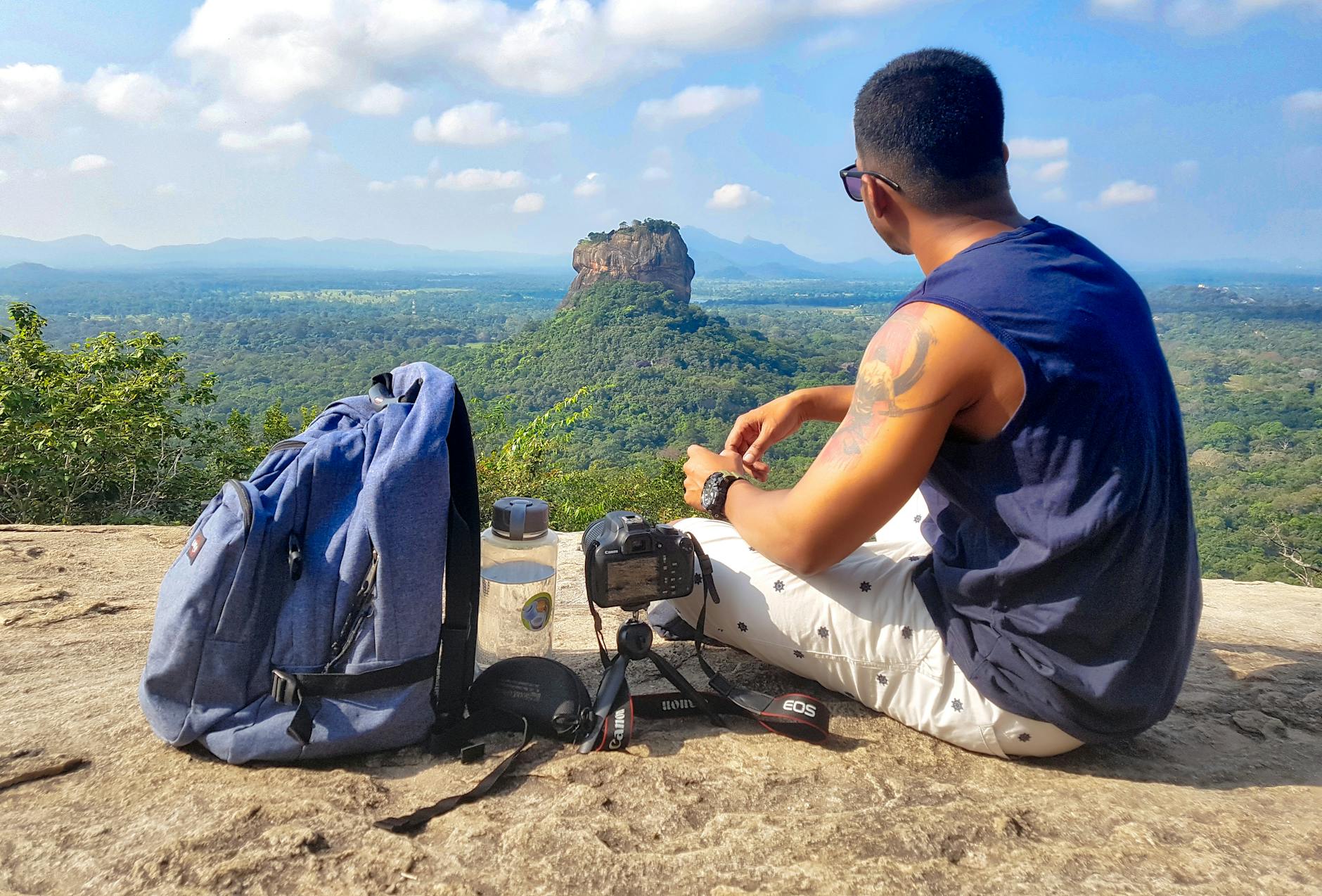
Sri Lanka Travel Guide for Canadian Tourists
Canadians find Sri Lanka accessible and rewarding, with relatively simple entry requirements, a favourable exchange rate and a culture that values politeness and respectful engagement. This island nation sits south of India in the Indian Ocean and operates on its own rhythms—understanding a few key differences in how things work here makes travel significantly easier and more enjoyable. Whether you're planning a two-week loop around the coast or a focused stay in the highlands, knowing what to expect regarding weather, money, communication and local expectations transforms your experience from tourist to visitor.
Do Canadian tourists need a visa for Sri Lanka?
Canadian passport holders require a visa to enter Sri Lanka. You have two practical options: apply for an Electronic Travel Authorisation (ETA) online before arrival, which costs around USD 40–50 and takes a few hours to approve, or arrange a standard visa through the Sri Lankan High Commission in Ottawa if you prefer paper documentation. Most Canadians choose the ETA route for its simplicity. The visa permits a 30-day stay, which works well for most itineraries. You'll need a passport valid for at least six months beyond your travel dates, a return or onward flight booking and proof of accommodation for your first night or two. Apply via the official ETA website well before your departure—whilst approvals are usually swift, technical issues occasionally occur.
What's the best time for Canadian visitors to travel?
Sri Lanka's weather divides into two monsoon seasons that affect different regions at different times, so "best" depends partly on where you want to go. The dry season for the west and south coasts runs from November to April, when most Canadians travel—expect warm days around 28–32°C, cooler mornings, and low rainfall. This period aligns nicely with Canadian winter, offering genuine warmth without intense heat. The east coast and cultural triangle (Anuradhapura, Polonnaruwa, Kandy) favour May to September. Most Canadian visitors do well planning a trip between December and March, when rainfall is minimal across much of the island and temperatures remain comfortable. August tends to be quieter but slightly wetter on the west coast. Avoid late September and October unless you're targeting specific areas; the transitional weather can bring heavy rain and occasional flooding.
Related: Sri Lanka Travel Guide for Australian Tourists
See also: Sri Lanka Travel Guide for German Tourists: Planning Your Visit
See also: Vaccinations and Health Tips for Sri Lanka Travel
For more detailed information on seasonal patterns, see our guide to the best time to visit Sri Lanka.
How does the currency work and what's your budgeting advice?
Sri Lanka uses the Sri Lankan Rupee (LKR); currently around 330–350 rupees equal one Canadian dollar, though rates fluctuate. Unlike some Asian destinations, you cannot rely solely on credit cards outside major cities—bring a mix of payment methods. ATMs accepting international cards exist in towns and cities, though not in very remote areas. Withdraw rupees in sensible batches rather than keeping large sums; most guesthouses, restaurants and shops in tourist areas accept cards, but smaller vendors and village businesses expect cash. Budget roughly CAD 40–70 per day for comfortable mid-range travel (decent meals, modest accommodation, transport and activities), or CAD 25–40 if you're willing to eat locally, stay in simpler places and use public transport. Meals at local restaurants cost CAD 2–6; a private driver for a day runs CAD 50–80; mid-range guesthouse rooms average CAD 25–45 per night. Street food and vegetable markets offer remarkable value. Tipping is not obligatory but appreciated in nicer restaurants and with guides—10–15 per cent is customary if you're satisfied. Be cautious with money changers outside banks; rates can be poor and scams do occur.
What should Canadians know about local culture and etiquette?
Sri Lankans are generally warm and curious about visitors, particularly those who show genuine interest rather than entitlement. Dress respectfully, especially when visiting temples, mosques or churches—cover shoulders and knees. Remove shoes and hats when entering sacred spaces. Photography inside temple sanctuaries is often forbidden; always ask before photographing people, particularly monks. The left hand is traditionally considered unclean in South Asian culture; use your right hand for eating, greeting and giving or receiving items. Public displays of affection are uncommon and can cause offence; be reserved. Speaking loudly is seen as rude; Canadians accustomed to direct conversation should dial down intensity and volume. Bargaining is normal in markets but not in shops with fixed prices. Sri Lankans value hierarchical respect, so addressing people by surnames until invited to do otherwise is appropriate. Buddhism, Hinduism, Islam and Christianity coexist here; be respectful of all faiths. Avoid political conversations about recent history unless invited; the country has experienced conflict and remains sensitive about these topics.
How do you get around and what's transport really like?
Domestic flights exist between Colombo and Jaffna or the east coast, useful for saving time, but most Canadian visitors travel by a combination of long-distance buses, trains, tuk-tuks and hired vehicles with drivers. Buses are cheap (often under CAD 2 for long distances), colorful and crowded during peak hours—an authentic experience but not always comfortable. Trains are slower but scenic, especially the highland route from Kandy to Ella, and cost just CAD 2–5 for a ticket. Private tuk-tuks (three-wheeled auto-rickshaws) work for short trips within towns; negotiate the fare beforehand. Hiring a vehicle with a driver for several days often makes sense for exploring regions—drivers function as informal guides, know routes and speak some English, and costs are reasonable when split among travellers. Roads are generally decent but can be chaotic; driving yourself as a foreigner is legal but challenging due to different traffic conventions and left-side driving. Public transport is an adventure; go with patience and a sense of humour.
What health and safety considerations matter?
No vaccinations are mandated to enter Sri Lanka for Canadian visitors, but doctors often recommend jabs for hepatitis A, typhoid and Japanese encephalitis depending on your itinerary and medical history; consult a travel health clinic 4–6 weeks before departure. Malaria is present in low-altitude areas but rare; prophylaxis is advisable mainly for jungle trekking or extended lowland stays. Tap water is not safe to drink; buy bottled water or use purification tablets. Sunburn and heat exhaustion are genuine risks in a tropical climate—use high-factor sunscreen, wear hats and drink constantly. Medical care in private hospitals in Colombo and major towns is good; travel insurance is essential. Petty theft does occur in crowded places like markets and buses; keep valuables secure and be aware of your surroundings. The country is politically stable in tourist areas, though some regions near the north remain less developed for tourism. Avoid swimming in remote areas or during heavy rains when waterborne illness risk rises. Respect wildlife; keep distance from elephants, snakes and unfamiliar animals.
For more on planning, visit our Sri Lanka planning section.
FAQ
How long should a Canadian visit Sri Lanka? Most visitors spend two to three weeks exploring the west coast, highlands and east coast. A week works if you're focused (e.g., beaches and Colombo), but you'll feel rushed. Three weeks allows a genuine loop without exhaustion.
Is English widely spoken? Yes, in tourist areas, hotels, restaurants and with guides. Younger Sri Lankans often speak English; older people in villages may know less. Learning a few Sinhala phrases ("ayubowan" for hello, "shukriya" for thank you) goes far.
What should I pack? Light, breathable clothing, strong sunscreen, insect repellent, comfortable walking shoes, a light rain jacket (even in dry season), medications you use regularly, and modest clothing for temples. Bring a power adapter (Sri Lanka uses three-pin rectangular plugs; 230V, 50Hz). A portable charger and a small towel are handy.
Can I drink alcohol? Yes, though Sri Lanka is a Buddhist-majority nation. Alcohol is sold in shops and restaurants but is less prominent than in Western countries. Some areas, particularly near temples, discourage it; be respectful. Avurudu (New Year) in April involves celebrations and drinking in some communities.