Getting Between Cities in Sri Lanka: Trains, Buses and Taxis
Sri Lanka's three main intercity transport options each suit different priorities: trains offer scenic routes and reliability, buses are cheapest and most frequent, taxis provide comfort and flexibility. Understanding when to use each—and what to expect—makes moving between cities straightforward and often enjoyable.
Which transport method should you choose?
Your choice depends on what matters most to you: budget, comfort, journey experience, or speed. If you're watching costs and time isn't pressing, buses are your backbone—they connect everywhere and run constantly. If you value reliability, comfort and don't mind paying more, taxis or ride-hailing services suit longer journeys better. Trains between Colombo, Kandy, Nuwara Eliya and Ella remain an experience worth having, though schedules are less frequent and you'll book in advance.
A useful starting rule: buses for short hops and budget travel; trains for the central highlands; taxis when comfort or timing matters, or for groups splitting costs.
Related: Sri Lanka Travel Guide for Dutch Tourists
See also: Sri Lanka Travel Guide for German Tourists: Planning Your Visit
Related: Sri Lanka Travel Guide for Israeli Tourists
Trains: Scenic and Punctual, but Book Ahead
Sri Lanka Railways connects major cities with several scenic routes, most famous being the central highlands line through tea country. The Colombo-to-Kandy route takes around 2–2.5 hours over relatively flat terrain and is reliable. The Kandy-to-Nuwara Eliya line climbs through misty estates and takes 4–5 hours; the Nuwara Eliya-to-Ella continuation is even more spectacular, winding through tunnels and viaducts over another 3–4 hours.
Train classes matter. Observation cars on highland routes offer large windows and are worth booking; second class is comfortable and considerably cheaper than first, though more crowded; third class is basic but authentic. Book online through Sri Lanka Railways' site or at station ticket offices (Colombo Fort station is the main hub). Expect to book 5–7 days ahead during peak season (December–January, July–August) and 2–3 days otherwise. Journeys rarely run late, though they do occasionally run slightly early.
Costs range from 400–800 Sri Lankan rupees (approximately £1–2) for short hops in third class, up to 2,500+ rupees for express or observation-class seats on longer routes. Trains carry a different energy than buses—slower, more social, and the stops often feel purposeful rather than frantic.
Buses: Frequent, Cheap, and the Real Network
Buses are how most Sri Lankans travel between cities. Routes are comprehensive, departures frequent (often every 15–30 minutes on major routes), and fares low: typically 200–800 rupees for journeys up to 2–3 hours. Colombo to Kandy, Kandy to Matara, or Colombo to Galle are all straightforward bus journeys.
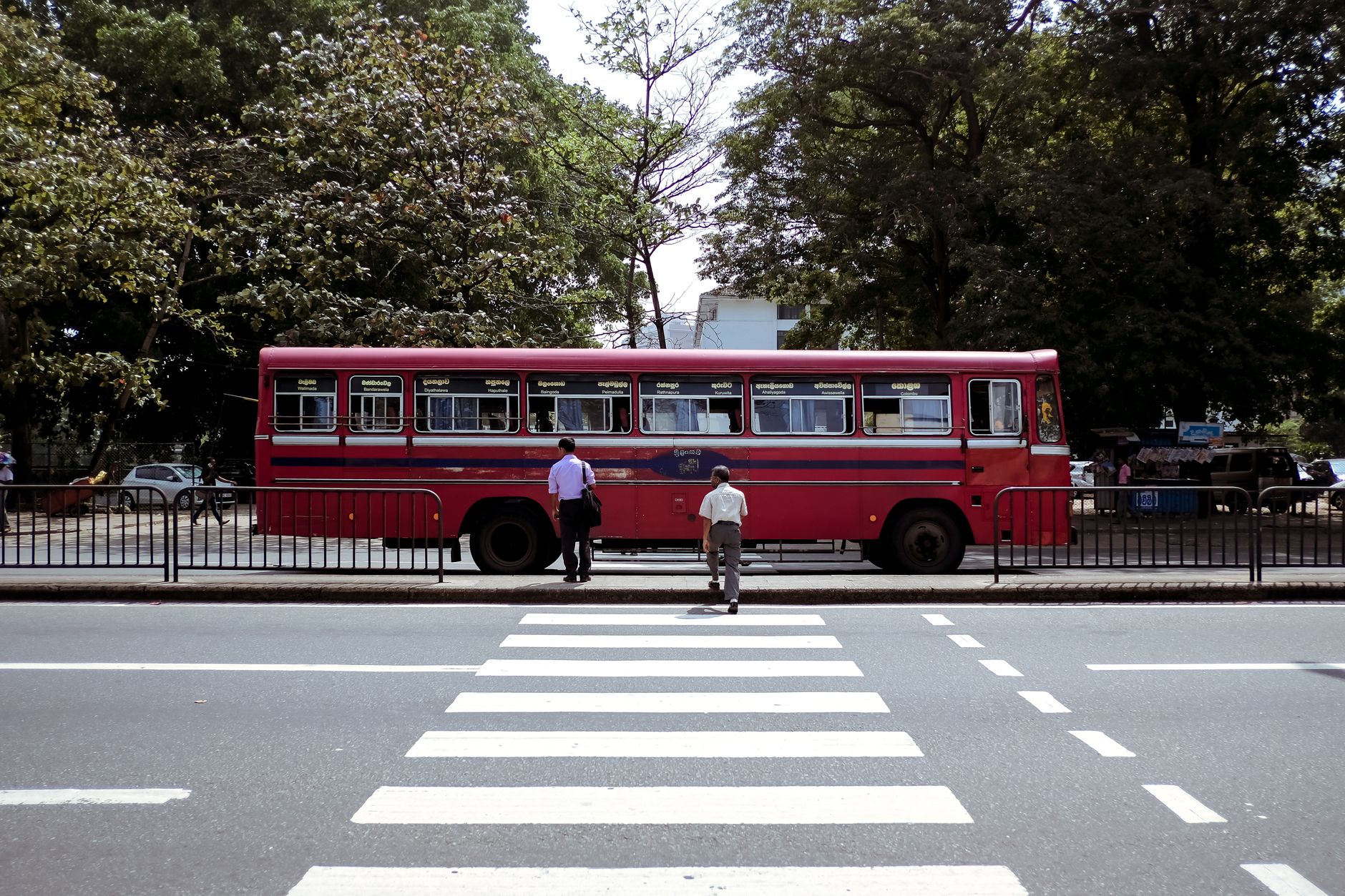
Two types run intercity routes: government buses (Sri Lanka Transport Board, or SLTB) and private operators. SLTB buses are cheaper and run set timetables, though they're often crowded and less comfortable. Private buses are marginally dearer but air-conditioned, faster (fewer stops), and often cleaner; they're the better choice if comfort matters to you. Night buses run on many routes and can save you a night's accommodation—a Colombo-to-Kandy night bus costs around 800–1,200 rupees—though sleep quality is genuinely difficult.
Tickets are bought on the spot at bus stations or from conductors aboard (have small notes ready, as change-giving is sometimes slow). Bus stations in larger cities can feel chaotic: arrive 15–20 minutes early, ask staff which bay your route departs from, and keep valuables close. The journey experience itself is sociable and chaotic in equal measure—loud music, frequent stops, hawkers boarding at junctions—but it's how you'll see ordinary Sri Lankan life.
Taxis, Ride-Hailing and Private Hire
For comfort or on your own schedule, taxis or ride-hailing apps (Uber and PickMe operate in Colombo, Kandy and larger cities) offer point-to-point service. Metered taxis in Colombo start at around 1,500 rupees and tick upward; PickMe and Uber prices vary by demand but expect 2,500–4,500 rupees for a 20–30 minute journey in Colombo.
For intercity trips, negotiate a day-rate with a taxi driver or hire company: a 4–6 hour journey from Colombo to Kandy, for instance, typically costs 8,000–12,000 rupees (around £25–40) for a private car. This works well for groups or if you want flexibility to stop en route. Many hotels and guesthouses can arrange this for you.
Three Tuk Tuks—the iconic three-wheeled auto-rickshaws—are cheap (100–400 rupees per journey) but really only practical within cities or to nearby towns; they're slower than buses on longer routes and the journey can feel cramped.
Comparing Journey Times and Practicalities
Colombo to Kandy: 2–2.5 hours by train (scenic, most reliable), 2.5–3 hours by bus (frequent, cheap), 2–2.5 hours by taxi (on-demand, comfortable). Train is the clear experience winner if you have time.
Kandy to Nuwara Eliya: 4–5 hours by train (spectacular), 5–6 hours by bus (crowded, jerky mountain roads), 3–4 hours by taxi (fastest, most direct). Train here is genuinely worth the book-ahead effort.
Colombo to Galle: 2.5–3 hours by bus (frequent), 2.5 hours by train (if available; services less frequent), 2–2.5 hours by taxi. Buses are practical and frequent; trains run but less regularly.
General principle: highlands journeys (Kandy–Ella) favour trains for experience; coastal or low-country routes (Colombo–Galle–Matara) suit buses; intercity journeys where you want to dictate pace suit taxis or hire vehicles.
Practical Tips for Intercity Travel
Book trains online well ahead rather than showing up at the station hoping for seats—popular routes and classes fill quickly. Buses never need booking; just arrive at the station 15–20 minutes early. Keep small notes; rupee denominations of 50, 100 and 500 make transactions smooth.
Luggage: buses have overhead racks and under-seat storage (keep valuable items with you); trains have larger overhead racks and luggage vans; taxis offer more space but stuff the boot carefully. On all transport, keep a day bag with essentials—phone, water, medications, documents—accessible.
Timing varies by daylight; journeys starting very early (5–6 am) or running late into evening often run rougher roads or stop more frequently. Midday journeys tend to be smoother. Rainy season (May–September and November–February) can slow buses on mountain routes; trains are unaffected.
Food on journeys: bus stops usually have small food stalls selling curries, kottu, or bread and dhal; trains have vendors and at larger stops food appears in windows. Bring water or buy it (around 30–50 rupees per bottle) at any stop. Comfort stretches across all three options if you manage expectations: intercity travel in Sri Lanka is part of the experience, not merely the passage between destinations.
FAQ
Q: Is it safe to travel by bus or taxi alone? A: Yes, thousands of tourists and locals travel solo daily. Keep valuables secure, avoid travelling very late at night, and trust your instincts about drivers or fellow passengers. In Colombo or Kandy, ride-hailing apps feel safer to first-time users than flagged taxis.
Q: How far in advance should I book trains? A: For popular routes (especially highlands journeys in peak season), book 5–7 days ahead. For quieter routes or off-season travel, 2–3 days suffices. Weekday journeys are less crowded than weekends.
Q: What's the cheapest way between cities? A: Government buses (SLTB) are the cheapest overall. A Colombo-to-Kandy bus costs around 250–400 rupees; private buses double that but offer better comfort. Taxis are most expensive unless your group splits the cost.
Q: Do I need to book buses in advance? A: No—buy tickets at the station or aboard. Only book if you want to guarantee a particular seat on a specific private operator; otherwise, buses run frequent enough that waiting 20–30 minutes is normal.