Sri Lanka Travel Guide for Dutch Tourists
Sri Lanka offers Dutch travellers a genuinely rewarding combination: manageable flights, straightforward practicalities, and landscapes that shift from beach to mountain within hours. Unlike more remote Asian destinations, you'll find English widely spoken, visa processing simple, and tourist infrastructure solid without feeling overdeveloped. This guide cuts through the essentials.
What Dutch travellers should know before booking
Direct flights from Amsterdam to Colombo run roughly 11–12 hours, operated primarily by KLM and budget carriers. Return flights typically cost €500–800 depending on season. Unlike Europe, Sri Lanka moves on a different pace: monsoons dictate timing, transport can be slow outside major routes, and cultural norms differ meaningfully. Most Dutch speak passable English, which helps; Sri Lankans do too, though outside tourist zones you'll encounter less English than you expect.
Visa requirements are straightforward. Citizens of the Netherlands require an Electronic Travel Authorisation (ETA), obtained online within minutes for around LKR 50 (€1.50) and valid for 30 days. You may extend in-country if needed. Entry conditions remain stable; check the Sri Lankan immigration website closer to travel.
Related: Sri Lanka Travel Guide for American Tourists
See also: Sri Lanka Travel Guide for German Tourists: Planning Your Visit
Related: Sri Lanka Travel Guide for Australian Tourists
Getting around: realistic expectations on transport
Sri Lanka's road network is dense but slow. Colombo to Ella (roughly 230 km) takes 7–8 hours by car or bus—distances that seem short on a map but demand patience in practice. Trains are slower still but atmospheric; the Colombo–Kandy–Nuwara Eliya–Ella line offers scenery and a genuine sense of travel, though schedules are irregular and comfort varies wildly.
If hiring a car with a driver (recommended; driving on the left takes adjustment), expect to pay 3,500–5,500 LKR per day (€10–16). Buses are cheaper (often under €1 for longer routes) but crowded and unpredictable. For city-level trips—Colombo, Galle, Kandy—tuk-tuks are reliable, cheap, and standard; agree fares before boarding.
Dutch cyclists may consider bringing a bike; road surfaces are generally adequate, but traffic behaviour requires constant vigilance.
Best regions and realistic timing
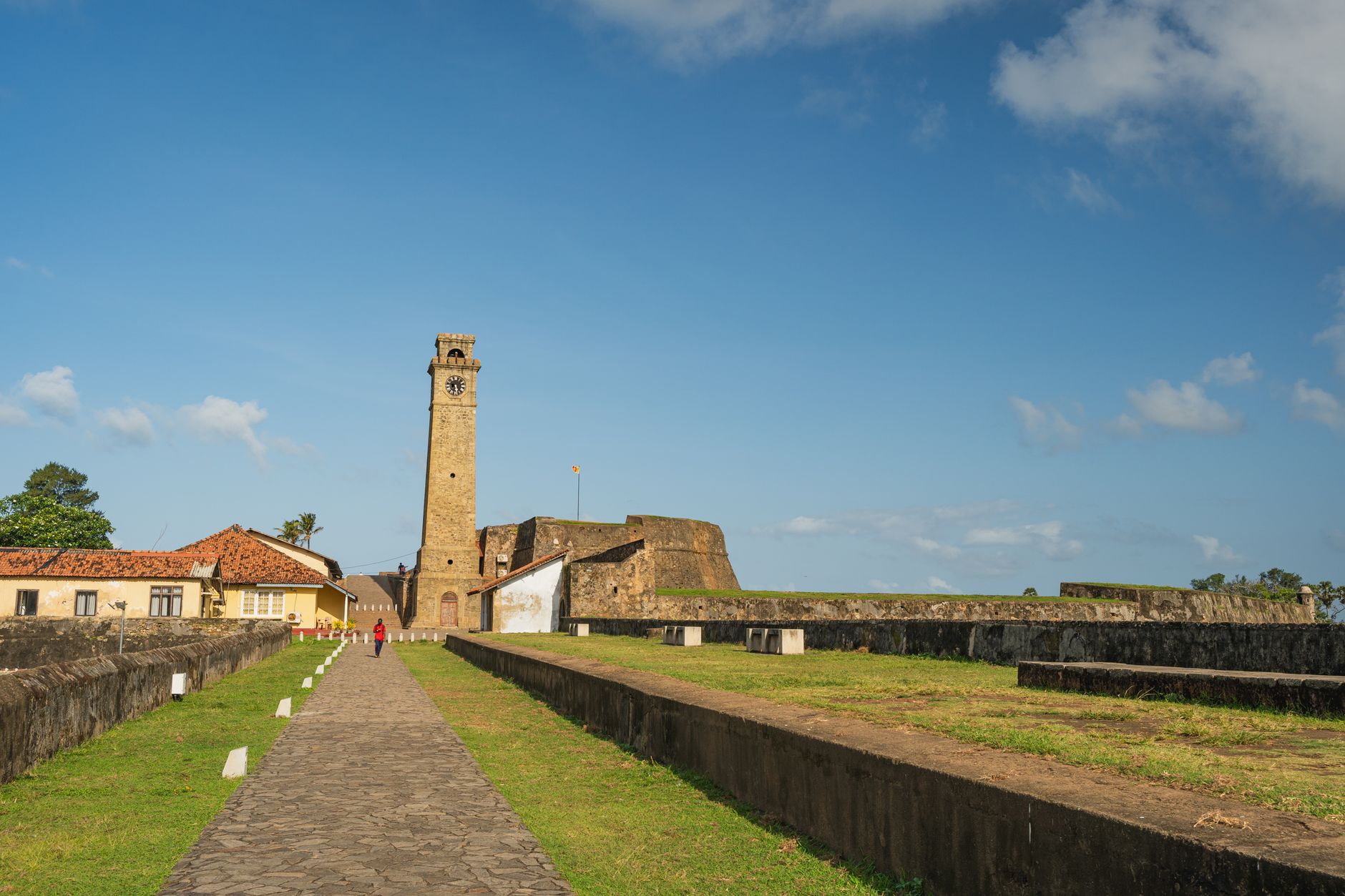
The south coast (Galle, Mirissa, Unawatuna): Beach-focused, 2–3 days sufficient. Best December–April. Crowded during these months but reliably dry.
Central highlands (Ella, Kandy, Nuwara Eliya): Tea plantations, hiking, cooler climate. Best May–September and December–January. Expect cold mornings, mist, and mud on higher trails. Not a beach alternative—bring layers.
North-central (Sigiriya, Polonnaruwa, Dambulla): Ancient sites and rock fortresses. Best January–March and August–September. Dust and heat are substantial; start early, carry water.
Cultural Triangle: Historically rich but demanding; best treated as a 3–4 day focused loop rather than an add-on.
For a first visit, a realistic two-week itinerary might look like: 2 days Colombo, 3 days south coast, 5 days highlands (Ella focus), 2 days ancient sites, 2 days beach wind-down. Avoid trying to 'do' the entire island in two weeks; you'll spend half your time moving.
Costs and budgeting honestly
Sri Lanka is genuinely affordable for Dutch visitors accustomed to European pricing. Meals at local restaurants cost 300–800 LKR (€1–2.50). Tourist-facing establishments charge 1,500–3,000 LKR (€4.50–9). Mid-range accommodation runs 3,000–6,000 LKR per night (€9–18). High-end hotels in Colombo or beach resorts are more expensive but still cheaper than equivalent Dutch options.
Daily budgets:
- Budget traveller: 3,000–4,500 LKR (€9–14)
- Mid-range: 6,000–10,000 LKR (€18–30)
- Comfort: 15,000+ LKR (€45+)
Transport is where costs accumulate. A driver for a week might cost 25,000–40,000 LKR (€75–120). Trains are cheaper but less reliable. Domestic flights exist but offer limited advantage given island size.
Do not assume you can negotiate all prices; fixed-price shops and restaurants exist, especially in Colombo. Haggling is expected in markets but unwelcome in formal businesses.
Language and cultural basics
English is your primary tool. Most hospitality staff, guides, and shopkeepers in tourist areas speak serviceable English. Outside tourism hubs (villages, local buses), English becomes rarer; learning basic Sinhala phrases eases interaction and shows respect:
- Ayubowan (hello)
- Shukriya (thank you)
- Siyallada? (how are you?)
- Okkoma (okay)
Cultural notes matter. Buddhism is deeply rooted; temple visits require covered shoulders and knees. Remove shoes and hats. Left hands are culturally unclean for eating or greeting. Photography of religious statues requires permission. Pointing directly at people is rude; indicate with an open hand. Tipping is not obligatory but 5–10% is appreciated in tourist restaurants.
During Poya (full moon) days, alcohol sales are restricted and some sites become more crowded with pilgrims. Check lunar dates before booking.
Practical essentials
Money: Sri Lankan Rupees (LKR). ATMs are abundant in towns; foreign cards work reliably. Currency exchange rates are fair. Carry some cash for villages and tuk-tuks.
Mobile: Local SIM cards (Dialog, Airtel) cost around 100 LKR with 4G data plans at 800–1,500 LKR per month. Top-up booths are everywhere. Roaming from Dutch providers is expensive; swap your SIM.
Health: Tap water in towns is usually safe but risky in villages; stick to bottled water. Malaria is present in low-lying areas; consult your doctor. Dengue and typhoid are occasional risks. Travel insurance is essential and inexpensive (roughly €80–120 for two weeks).
Power: Sockets are UK-style (three rectangular pins). Voltage is 230V. Bring an adaptor; they're available locally but less reliable.
Internet: WiFi is standard in all tourist accommodation and many cafés. Mobile data is more reliable than WiFi outside Colombo.
When to visit
Sri Lanka's monsoons are the key variable. The southwest monsoon (May–September) affects the west and south; the northeast monsoon (December–February) affects the north and east. For most Dutch travellers:
- December–March: Best overall. Dry across most regions. Warmest. Most crowded.
- April–May: Transition period. Heat intense, some rain. Fewer tourists.
- June–September: Highlands are lush and cool; coasts can be rough. Fewer tourists, lower prices.
- October–November: Unpredictable. Avoid unless flexible.
For Ella specifically, May–September offers green tea plantations and cooler temperatures; December–February is drier but hazier.
Common questions
Do I need a guide? No, but a good one (especially for ancient sites) adds genuine value and costs only €25–40 per day. Self-guided hiking in highlands is straightforward if you're comfortable with navigation; self-guided temple visits lack context.
Is tap water safe to drink? In Colombo, Kandy, and other major towns, yes, though many visitors stick to bottled water as precaution. Outside towns, bottled water is safer. All restaurants serving tourists use bottled water for ice and cooking.
Will Dutch-standard comfort be available? Not consistently. Mid-range hotels are adequate (clean, warm water, decent beds), but expect variability compared to home standards. High-end accommodation is reliable but pricey. Accept this going in or budget for luxury stays.
How many days should I stay? Minimum 10 days for a meaningful visit (excluding flight time). Two weeks is ideal for a balanced mix of coast, highlands, and culture without excessive rushing. Anything longer risks boredom unless you're hiking seriously or settling into one region.
Can I drink the beer? Yes. Local lager (Lion, Carlsberg) is safe and cheap (200–400 LKR per bottle in shops). Quality is drinkable. Spirits are strong and inexpensive; be cautious with dosing.