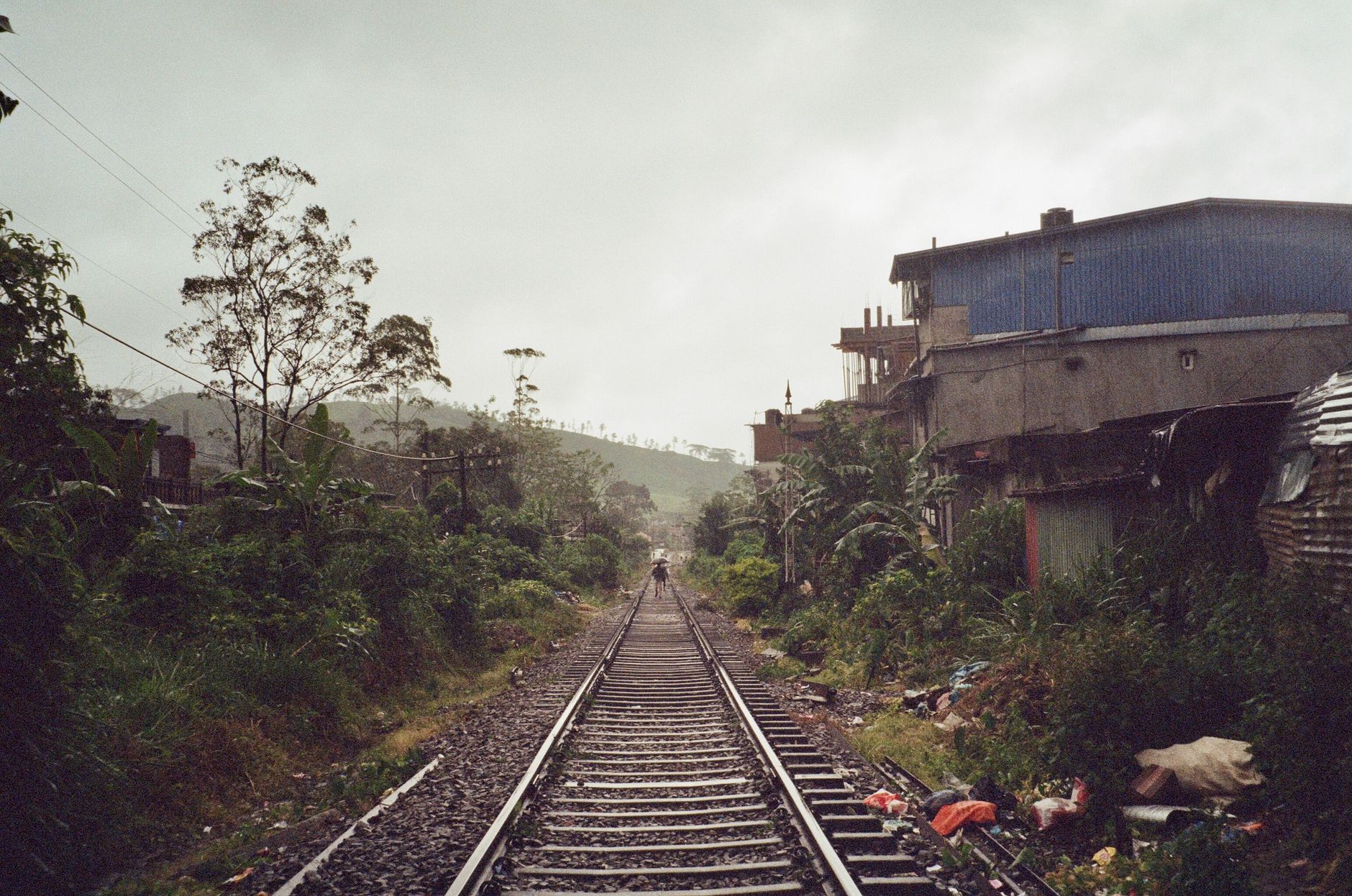
Kotapola has no nightlife in the conventional sense. This is a quiet village perched on the edge of Sinharaja Rainforest, where evenings belong to frog calls, insect choruses, and the early fade to black. If you're hoping for bars, clubs, or late-night restaurants, adjust your expectations—or your travel plans. What Kotapola does offer is a rare immersion in natural soundscapes and intimate lodge-based evenings that many travellers, once they experience them, find far more memorable than any tourist strip.
What actually happens after dark in Kotapola?
Once the sun dips (around 6:30–6:45 p.m. year-round), Kotapola transitions into a different world. Most lodges serve dinner between 6:30 and 8 p.m., often family-style or fixed-menu, catering to the mix of birdwatchers, nature photographers, and hikers staying in the area. Conversation happens around tables, not in any public venue. Some guests spend evenings on lodge verandahs with torches off, listening to the rainforest. Frog choruses intensify after rain; cicadas create a dense, almost rhythmic backdrop. A few lodges like Sinharaja Rest and Rainforest Nest have hosted occasional cultural evenings—traditional music or talks by naturalists—but these are seasonal and not guaranteed.
There are no standalone bars, nightclubs, or even restaurants operating independently in the village itself. The only evening eating and drinking happens within lodge compounds.
Related: Kinniya for Solo Travellers: Safety and Practical Tips
Related: Arugambe Hotels & Accommodation Guide
Related: Hotel Catamaran Sri Lanka: Where to Stay Afloat
Where to eat and drink in the evening
Your options are your accommodation. Most guesthouses and eco-lodges serve dinner to residents; a few may accommodate walk-ins with advance notice, though this is uncommon. The Rainforest Ecolodge, Sinharaja Forest Edge Guest House, and Sinharaja Vini Villa typically include evening meals in their rates, though quality and menu variety depends on the season and how many guests are staying.
Saru Blue Sapphire Hotel, the highest-rated property in the area, likely offers more refined dining, but it's still lodge-based rather than a public restaurant. If you're not staying overnight, daytime eating is more flexible—small shops in Kotapola village sell basic supplies (instant noodles, snacks, drinks), but don't expect restaurants open after 7 p.m.
Sunset and early evening spots worth your time
The best evening activity is watching light fade over the rainforest. If you're staying in a hillside lodge like Rainforest Nest or Eco Villa - Sinharaja, the view from your verandah or a lodge vantage point captures the forest canopy shifting through orange, deep red, and grey as thermals rise from the canopy and insect activity peaks. This is prime time for birdwatchers to catch late-feeding species—brown-capped bulbuls, Sri Lanka wood pigeons, and occasionally larger raptors before they roost.
If you're not staying in a lodge, a short walk from the main village towards any clearing or riverside area—ask locals or your guide—offers sight lines toward the forest edge. Go between 5:45 and 6:30 p.m.; after 6:45 it's too dark without a torch, and you'll miss the colour shift.
If you need actual nightlife, where to go
The nearest towns with restaurants, bars, and some evening activity are roughly 45–90 minutes away by car or three-wheeler. Matara (about 90 km south-west via Deniyaya) has seafood restaurants, a few hotel bars, and a livelier beach-town atmosphere. Galle (further south-west, 110+ km) has more options—restaurants open late, a few bars in heritage properties, and occasional live music venues. Ella, the hill-country backpacker hub 60+ km north-east, has multiple bars and restaurants staying open until 10 p.m. or later, though it's a different environment entirely.
If you're driving from Kotapola, Deniyaya (15 km away) is the closest alternative—it has a few small hotels with attached restaurants and bars, though the scene is still modest. Most visitors who arrive in Deniyaya for a night before or after Sinharaja stay at Deniyaya National Motel or Rainforest Lodge Deniyaya Singheraja.
When evening activity is actually worthwhile here
The rainforest itself is the evening entertainment. Nocturnal wildlife becomes active once temperatures drop—frogs begin calling, small mammals and insects emerge, and owls and nightjars vocalize. If you're a keen naturalist, birdwatcher, or photographer, an evening spent listening and looking in or from a lodge garden often yields more memorable moments than any resort activity. The frog chorus alone—depending on the season and rainfall—can be startling and hypnotic in equal measure.
Better still: arrange a night walk with a guide. A few lodges can connect you with naturalists who lead small-group or private torchlit forest walks starting around 7 or 8 p.m., lasting one to two hours. These are genuinely specialised and require advance booking, but they're where you'll see nocturnal spiders, frogs, and insects most visitors never encounter.
What to pack and know for your Kotapola evening
- Torch/headlamp: Essential. Streetlighting is non-existent; you'll need light to walk safely after dark.
- Insect repellent: Mosquitoes and other biting insects are active at dusk and night, especially near water or during rainy season.
- Warm layer: Evenings cool quickly in the rainforest; a fleece or lightweight jacket is wise even in warmer months.
- Early bedtime: If you're staying in a lodge for forest walks or birdwatching the next dawn, most guests are asleep by 9 p.m. Lodge generators typically shut down by 10 or 11 p.m.
FAQ
Is there any nightlife in Kotapola? No bars, clubs, or public evening venues exist. Evenings centre on lodge dinners and rainforest listening. If you need nightlife, visit Matara, Galle, or Ella instead.
Can I eat out if I'm not staying at a lodge? Difficult. Most lodges serve only residents. Small village shops sell snacks and instant food during daylight. Plan to eat within or arrange meals through your accommodation in advance.
What's the best time to visit Kotapola for evening experiences? January–March and July–August (dry seasons) offer clearer sunsets and less rain-induced cold. Frog choruses are loudest after rains, typically May–September and November–December. Earlier months mean earlier sunsets—useful if you're light-sensitive or have limited time.
Should I book a night walk? Yes, if you're a wildlife enthusiast. Ask your lodge manager upon arrival; most can arrange a guide for 2,000–3,000 LKR per person for a 1–2 hour torchlit walk. Book at least a day in advance.