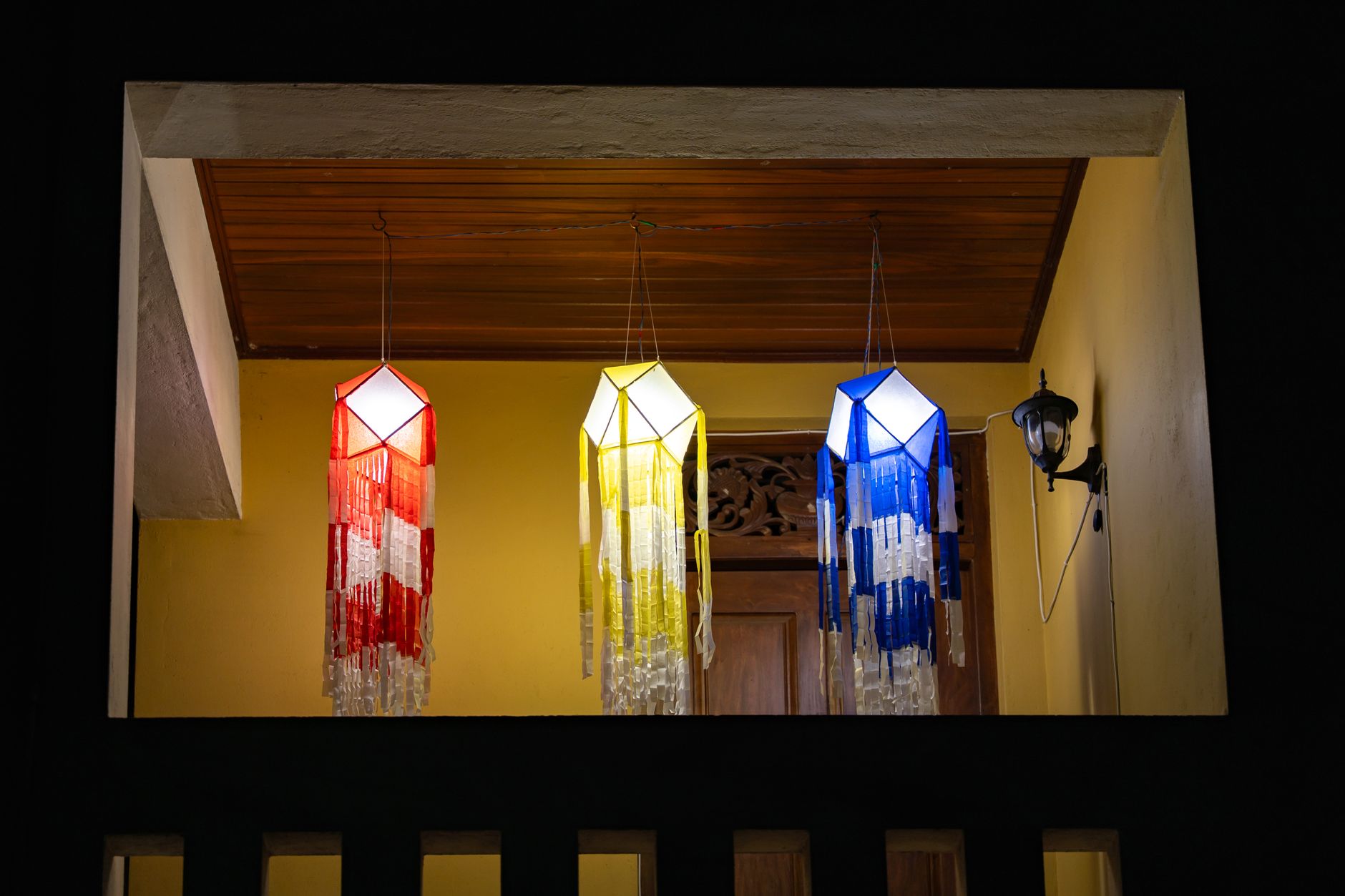
Paper Moon Kudils are distinctive clay structures found across Sri Lanka's cultural landscape. Despite their name, they're not made of paper—they're hand-crafted clay buildings with conical roofs, traditionally used for storage and shelter. Here's what you need to know about spotting and understanding them.
What exactly are Paper Moon Kudils?
Kudils (also spelled kudullas) are small, domed clay structures built without modern materials. The "Paper Moon" name refers to their distinctive conical shape and the way light filters through their walls at dusk—resembling a glowing lantern. Traditionally, they served as grain storage, tool sheds, or temporary shelters across rural Sri Lanka, particularly in the Central Highlands and North Central Province.
These structures are built using compressed earth or clay bricks, with a peaked roof that sheds water effectively in monsoon seasons. The walls are often whitewashed or left in natural earth tones. Interior space rarely exceeds 10–15 square metres.
Related: Hikkaduwa Places to Stay: Budget to Mid-Range Options
See also: Black Forest Beach Resort: Location, Facilities & What to Expect
Related: Is Nuwara Eliya worth visiting? An honest take
Where to find them
Kudils are most visible in:
Central Highlands: Scattered around Ella and Kandy districts, where tea estates and agricultural villages still maintain traditional structures.
North Central Province: Particularly around Dambulla and Sigiriya, where they blend into the rural landscape.
Village homestays: Some remain functional in family compounds, often beside modern homes.
They're not concentrated in a single tourist location. You'll spot them while driving through rural areas, hiking between villages, or exploring agricultural regions. They're far more common than celebrated—locals often overlook them as ordinary.
How to identify them
Look for:
- Conical or dome-shaped roofs tapering to a point
- Earth-coloured walls (cream, ochre, or grey)
- Small, single doorways (typically 1.2–1.5 metres high)
- Minimal or no windows
- Isolation from main buildings or integration into family compounds
They're roughly cylindrical or square at the base, rarely exceeding 4 metres in height.
Cultural and practical significance
Kudils reflect Sri Lankan vernacular architecture before mass-produced building materials. They're climate-responsive—the conical roof sheds heavy monsoon rain, thick walls maintain cool interiors, and the compact design minimises heat absorption. This made them practical for rural farmers and smallholders managing livestock, tools, or seasonal crops.
Today, most have been replaced by concrete structures or repurposed as decorative garden features. A few remain in active use in remote villages, making them genuine remnants of mid-20th-century rural life rather than tourist attractions.
Photographing and visiting them
If you're interested in documenting traditional architecture:
Do: Ask permission before photographing kudils on private property. Locals generally allow photos if approached respectfully.
Timing: Early morning or late afternoon light emphasises their conical shape.
Access: No ticket or guide is needed. Spot them during village walks or while exploring rural tea country.
Best regions: Visit Ella for high-altitude examples surrounded by tea plantations. Travel around Dambulla by car or tuk-tuk to see clusters in agricultural areas.
Why they matter now
Architectural conservationists and cultural researchers recognise kudils as evidence of sustainable building practices developed without modern resources. A handful of restored examples appear in cultural villages and heritage projects, but systematic documentation remains incomplete.
They're not packaged heritage experiences. Encountering a kudil means you've wandered into genuine village life, which is the whole point.
Practical logistics
Getting around rural areas: Hire a tuk-tuk for the day (800–1,200 LKR, roughly £2–3) or join a village walk with a local guide (1,500–2,500 LKR, £4–7).
Best time: Year-round, though April–May and October–November offer clearer skies for photography.
Facilities: Rural areas lack tourist infrastructure. Carry water, wear insect repellent, and ask locals for directions.
FAQs
Are Paper Moon Kudils still in use?
Few remain actively used. Most functioning examples are in remote villages of the North Central Province and Polonnaruwa District. Many have been abandoned or converted into garden ornaments by families modernising their compounds.
Can tourists visit them?
They're on private land or within village compounds. There's no entry fee or tour. Always ask local residents for permission and directions. Standalone, unoccupied examples are easier to approach safely.
How old are the surviving kudils?
Most documented examples date from the 1950s–1970s. A few older structures exist but are harder to identify. Precise dating is difficult without research records.
Are they the same as traditional grain stores elsewhere?
Similar structures exist across South Asia. Sri Lanka's version is adapted to monsoon rainfall patterns and uses locally available clay and timber. The "Paper Moon" name is specific to Sri Lankan usage, though the structure itself predates the nickname.