Pinnawala with Family: What Works and What to Skip
Pinnawala's Elephant Orphanage holds genuine appeal for families with children—but only if you time it right and know which elements deliver and which drain patience and money. The orphanage houses rescued Asian elephants, many orphaned or injured, in a riverside setting north of Kandy. A well-executed visit lasts 2–3 hours; a poorly timed one feels chaotic and expensive. This guide cuts through the hype.
Does the elephant orphanage actually work for families?
Yes—if your children are old enough to stand still for 30 minutes and fascinated by animals. Children under 4 often find the heat, crowds, and long walks tedious. Ages 5–12 typically engage well, especially during feeding and bathing. Teenagers may find it understated unless they're wildlife-focused. The elephants are real, the rescue stories genuine, and tactile interactions (feeding, bathing) create lasting memory markers—but only when the orphanage isn't choked with tour groups.
What actually works: morning visits trump everything
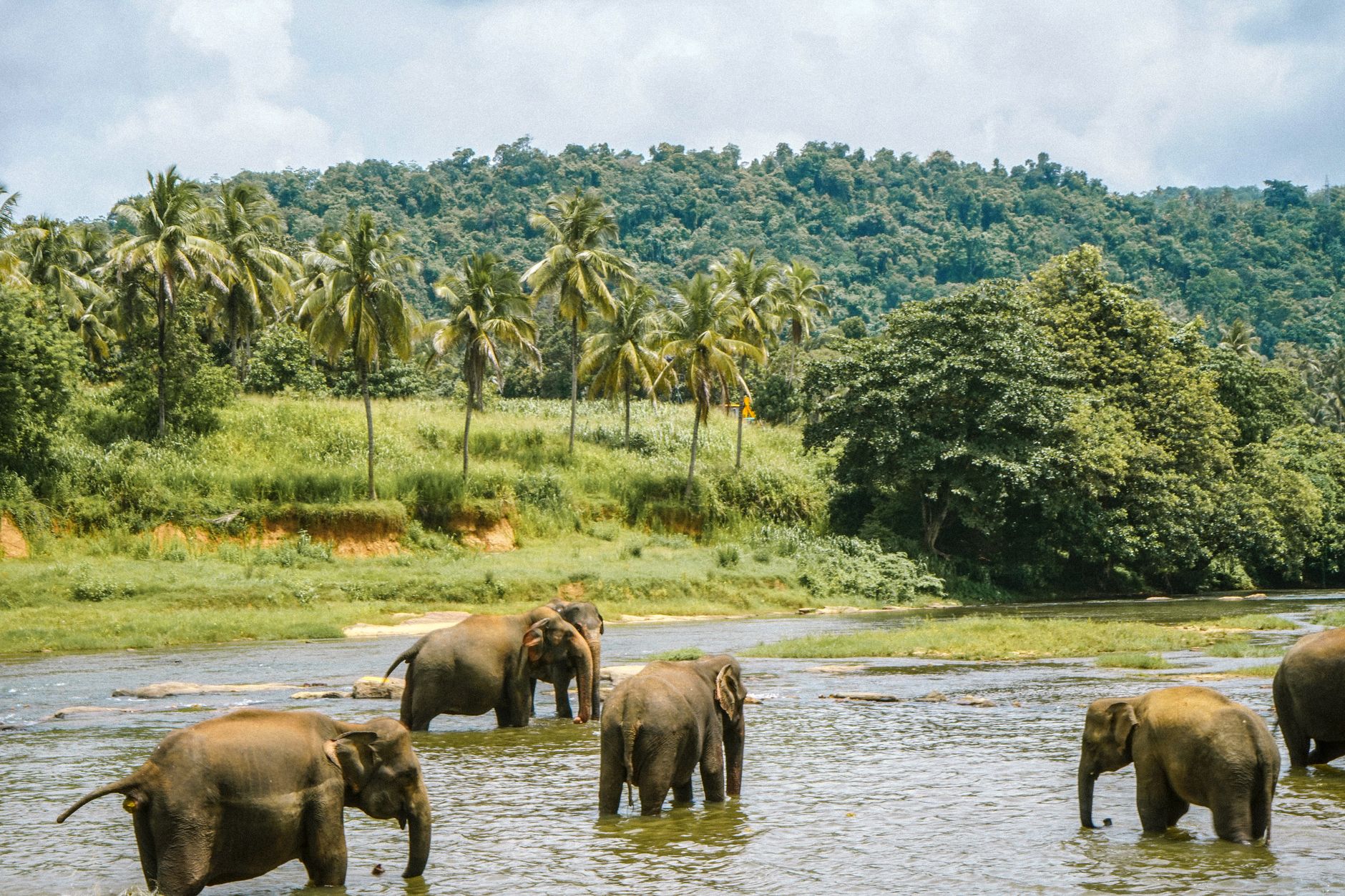
Arrive at the gates by 6:15am. You'll see elephants in a calmer state, the riverside cooler, and crowds minimal. Between 6:30–8am, you'll witness natural feeding behaviour, social interactions between elephants, and the genuine bathing ritual when handlers guide herds into the river. Children can watch from the riverbank without being jostled by 200 other visitors. By 9am, tour coaches cluster the place; by noon, it's a photo scrum.
Related: Amaya Lake Dambulla: A Lakeside Retreat in Sri Lanka's Cultural Heart
Related: Negombo for Solo Travellers: Safety and Practical Tips
Related: Best Places in Sri Lanka for Whale Watching
Cost is 5,000 LKR per adult, 2,500 LKR per child (aged 6–12); under-6s often enter free. An early visit adds no extra fee but eliminates the main frustration.
The bathing spectacle: genuine but overhyped
Yes, handlers bathe elephants in the river twice daily (roughly 9–10am and 4–5pm). It's tactile, noisy, and children see animal care close-up—valuable. The problem: afternoon sessions draw international tour groups; handlers stage the spectacle partly for photographs rather than the elephants' benefit. Morning bathing is quieter and more authentic. The elephants tolerate human touch during bathing but don't enjoy it; this isn't petting or swimming—it's supervised washing. Set that expectation with children.
What to skip entirely
Trinket stalls and photo ops. Vendors outside the orphanage (and increasingly inside) sell plastic elephant toys, postcards, and offer paid photo sessions with handlers. None is worth the cost or attention—children forget trinkets within days, and photos feel staged. Budget that money toward a better hotel instead.
Midday 'special experiences.' Some tour operators offer additional fees for closer elephant contact or private feeding slots during peak hours. These often mean standing in heat with dozens of other families while a handler leads a single elephant past you. Skip it. A quiet morning at the main entrance gives better value and less stress.
The museum section. A small indoor exhibit on elephant conservation exists but is poorly lit, sparse, and feels like filler. Young children lose interest within minutes. Spend that time at the river instead.
The circus-style elephant rides. Pinnawala doesn't offer rides (good), but nearby attractions do. Avoid them. They stress the animals and don't educate.
Practical logistics that make or break a family visit
Transport. Pinnawala sits 50km north of Kandy, roughly 90 minutes by car. If you're based in Kandy or Ella, a half-day trip works. Full-day tourism feels exhausting with young children. Book transport the night before; taxi apps surge during peak hours.
Heat and hydration. The orphanage has minimal shade. Bring 2+ litres of water per child, hats, and sunscreen. A visit in August (school holidays) means peak heat; January–March is warmer but less humid. Avoid May–September unless you visit only at dawn.
Crowd management. Arrive early or aim for late afternoon (4–5pm) when tour groups thin out. Midday (10am–3pm) is unusable for families wanting calm observation.
Bathroom and food. Basic toilets exist on-site; they're clean but basic. A café serves tea and light meals but quality is inconsistent and prices high. Eat breakfast before arrival or bring snacks.
Where to stay: proximity matters
Stay within 10–15km of Pinnawala to avoid a dawn commute from Kandy. Cafe Pinnalanda (8.8/10, 44 reviews) sits closest—a 3-star guesthouse with an attached café and river views. It's family-friendly and eliminates the rush to arrive early. Hotel Pinnalanda (8.3/10, 133 reviews) is nearby and well-reviewed, though slightly further from the entrance.
If you want more comfort and don't mind being 20km away, Cottage 23 (9.0/10, 14 reviews) is a 4-star option with space and gardens—useful if you're splitting time between Pinnawala and Kandy. For luxury, Villa Labugolla (9.8/10, 6 reviews) offers a 5-star riverside retreat, though at that level, you're paying for tranquillity as much as proximity.
Budget guesthouses like Green Land Guest House (8.1/10, 38 reviews) work for families unconcerned with amenities; Hotel Elephant Park (8.4/10, 289 reviews) is mid-range and honest about what it offers.
A realistic schedule
5:45am: Leave your accommodation.
6:30–8:15am: At the orphanage. Watch feeding, observe herds, photograph from the river.
8:30am: Return to accommodation for breakfast or shift to your next destination (Kandy botanical gardens, Temple of the Tooth).
This 90-minute window captures the best of Pinnawala without fatigue. If you add the 9–10am bathing ritual, extend to 2.5 hours, but expect heat and growing crowds.
Questions families ask
Can I touch or feed the elephants? Handlers permit supervised feeding (you offer palm leaves or fruit from a safe distance) during morning hours. Touching is discouraged and unsafe for both you and the animals. Set that boundary clearly with children beforehand.
Is it ethical to visit? Pinnawala is a genuine rescue and rehabilitation centre, not a circus or entertainment venue. Elephants live in semi-natural riverside conditions and are retired from street performances or logging. A morning visit that prioritises observation over interaction supports legitimate conservation. Avoid operations offering rides or circus-style shows.
How long should we stay? Two hours suffices if you're well-rested and arrive early. Three hours if you include the bathing session and want slower observation. More than three hours becomes repetitive for families with young children.
What's the best time of year to visit with kids? January–March offers cooler mornings and fewer monsoon disruptions. July–August is peak school-holiday season, so expect more crowds. Avoid May–September if possible; heat and humidity exhaust children quickly.
The honest takeaway
Pinnawala works best as a focused, early morning activity—not a full-day adventure. Children aged 5–12 usually engage well; younger or older visitors may find it less rewarding. The elephants are compelling, and the orphanage's rescue work is genuine. But the experience hinges entirely on timing. Visit at 7am with your family calm and hydrated, and it's memorable. Visit at noon with hungry, tired children, and it's merely a crowded walk past large animals. Choose the former.