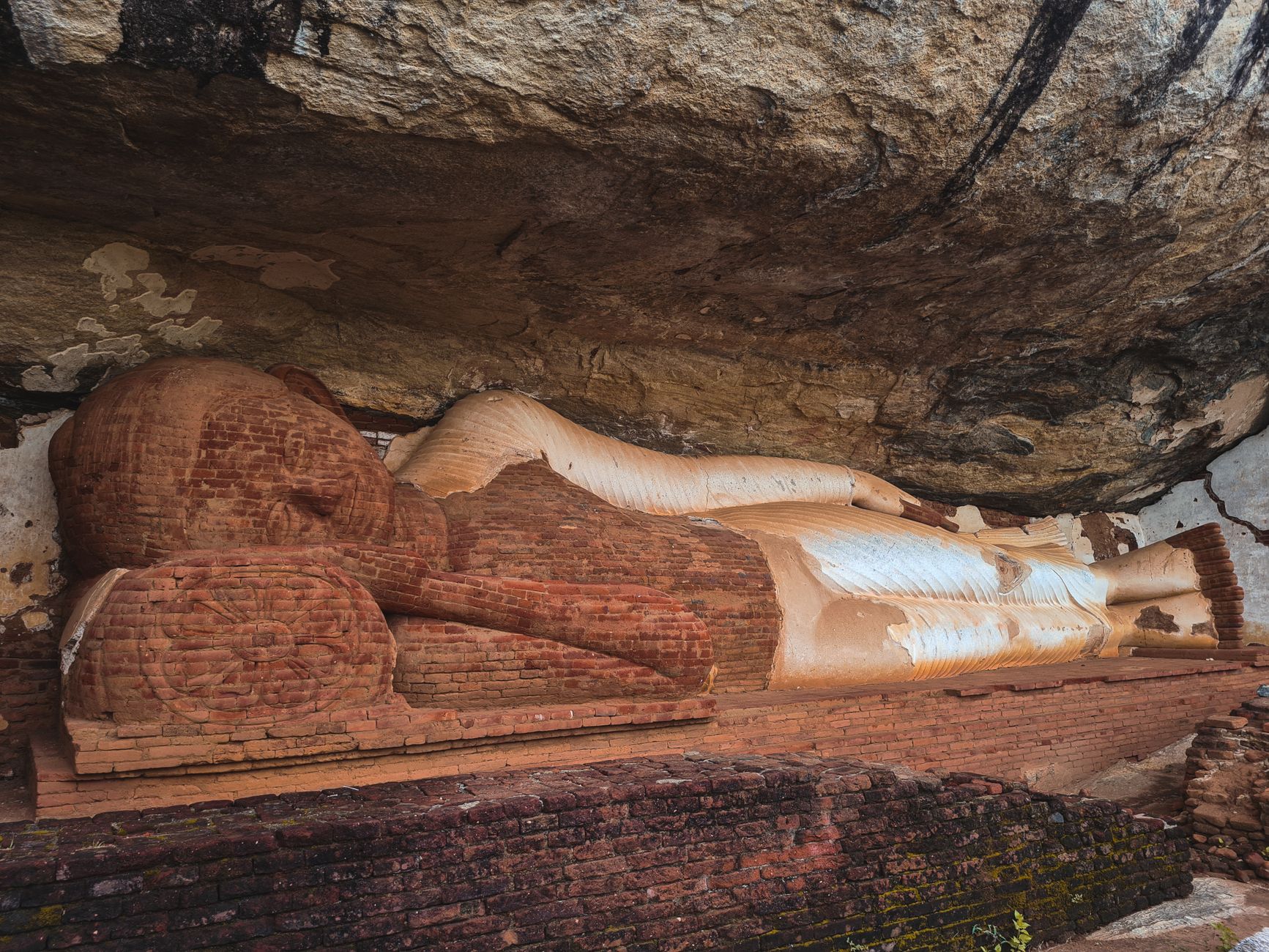
Polonnaruwa Hotels: Your Practical Guide
Polonnaruwa's accommodation scene is modest. The town has roughly 20–25 hotels and guesthouses. No luxury chains operate here; most rooms fall into budget or mid-range categories. Prices range from $15/night (basic fan-cooled rooms) to $80/night (air-conditioned doubles with hot water). Peak season (December–February) fills beds by midday. Book 2–3 weeks ahead or accept limited choice.
How Much Should You Budget?
Budget guesthouses: $15–25/night. Fan-cooled rooms, squat toilets or basic Western loos, occasional hot water. Adequate for 1–2 nights. Most lack Wi-Fi or provide weak signals.
Mid-range hotels: $40–80/night. Air-con, private bathrooms with hot water, restaurant on-site, Wi-Fi. Breakfast sometimes included. Standards vary; check recent reviews on Google Maps and TripAdvisor before booking.
Related: Thaproban Beach House Unawatuna: Location, Rates & What to Expect
Related: Naaval Hotel Batticaloa: Waterfront Stay on the Lagoon
Related: Nallur Kandaswamy Devasthanam: Complete Guide
Premium options: $80–150/night. Rare in Polonnaruwa. These offer pool facilities, organised tours, or heritage-focused design. Book through their websites directly—markup from agents reaches 20%.
Where Are Hotels Located?
Most hotels cluster in three zones:
Town centre: Walking distance to restaurants, shops, and the archaeological museum. Noisier; traffic audible at night. Best for travellers wanting convenience over quiet.
Near the ancient site: 2–3 km north of town. Quieter. Longer walk to food and services. Suit cyclists or those with transport.
Riverside: Along the Mahaweli River, east of town. Scenic but isolated. Limited food options nearby.
Direct Booking vs. OTAs
Directly contacting guesthouses or hotel websites saves 10–15% versus Booking.com, Agoda, or Expedia. Phone calls work well here; most staff speak English. WhatsApp messaging is reliable. OTA sites often hold inventory at inflated rates—the hotel prefers direct bookings and can negotiate.
During low season (May–September), ask for discounts when booking direct. Hotels often drop rates 15–30% for walk-ins or off-season reservations.
What to Expect in a Budget Room
Fan-cooled doubles ($15–20/night): Tiled floors, single or double mattress, fan overhead, one light bulb. Bathroom is shared or ensuite but basic—cold water only, squat or sit toilet, no soap provided. No towels; bring your own. Noise from traffic or neighbours common. Wi-Fi may not reach your room.
Mid-range air-con ($50–80/night): Private bathroom with hot-water shower, decent bed, desk, fan plus air-con, colour TV (unused), small balcony. Breakfast—toast, eggs, fruit—usually included. Restaurant serves lunch and dinner. Wi-Fi works reliably.
Best Time to Book
December–February (peak): Hotels full by 2pm. Book 3–4 weeks ahead. Expect no discounts; rates are highest.
March–April (shoulder): Still warm and dry. Hotels 70–80% full. Book 10–14 days ahead.
May–September (low season): Fewer tourists. Heavy rain May–June and October. Book 3–5 days ahead. Discounts common. Many staff take holiday; service may slow.
October–November (shoulder): Drying out after monsoon. Moderate crowds. Book 1 week ahead.
Practical Considerations
Mosquitoes: Polonnaruwa sits in a low-lying, wet zone. Malaria risk is low but dengue occurs. Book rooms with screens or mosquito nets. Bring insect repellent (DEET 20%+).
Power cuts: Rolling blackouts occur 1–2 times weekly, especially during low season. Hotels have generators; budget guesthouses may not. Ask about backup power when booking.
Water: Tap water is not safe to drink. Hotels provide bottled water or purify internally. Check if your room has a water filter.
Noise: Main roads are busy 6am–9pm. Air-con in mid-range hotels masks traffic. Budget guesthouses are louder; rooms facing side streets are quieter.
WiFi quality: Midrange hotels average 4–6 Mbps. Budget places may offer 1–2 Mbps or none at all. Bring a mobile hotspot if Wi-Fi is critical.
How Long Should You Stay?
One to two nights is standard. One day covers the ancient city—Gal Vihara, the Quadrangle, and the museum (5–6 hours cycling or guided walk). A second day allows a slower pace or visits to nearby Minneriya National Park (20 km south) for wildlife spotting. Three nights is excessive unless combining Polonnaruwa with Sigiriya (30 km northwest).
Getting There
Polonnaruwa is 215 km northeast of Colombo (4–5 hours by road). Direct buses run daily from Colombo's Central Bus Station (Rs 350–500, around $1.20–1.70). Minibus taxis are faster but less comfortable (Rs 600–800). Train: Colombo–Polonnaruwa route exists but is slow (7–8 hours). Hiring a private driver costs $35–50 for the day from Colombo including transfers and waiting time.
From Kandy (78 km south): 2–2.5 hours by bus (Rs 200–300) or taxi. Most mid-range tourists base in Kandy and take a day trip or overnight.
FAQ
Q: Is it safe to walk around Polonnaruwa at night?
A: Town centre is safe until 9pm. Stick to main roads; avoid walking alone after dark. Hotels and guesthouses are secure with locked gates.
Q: Do hotels arrange tours of the ancient site?
A: Most mid-range hotels offer guide services ($20–30/person for a half-day). Bicycle rental costs $3–5/day. DIY walking is feasible with a printed map (sold at the museum for Rs 100).
Q: What payment methods work?
A: Cash (Sri Lankan rupees) is essential. ATMs in town accept Visa and Mastercard. Credit cards are rarely accepted at guesthouses; some mid-range hotels take cards but add 3% surcharge.
Q: Can I negotiate room rates?
A: Yes, during low season. Walk-in rates are 15–25% lower than pre-booked rates May–September. Mid-range hotels are more flexible than budget places.
Nearby Places to Explore
Check Ella, a hill station 140 km southeast, or best time to visit Ella if planning onward travel. Sigiriya is 30 km away—most tourists combine both sites in a 3-day loop.