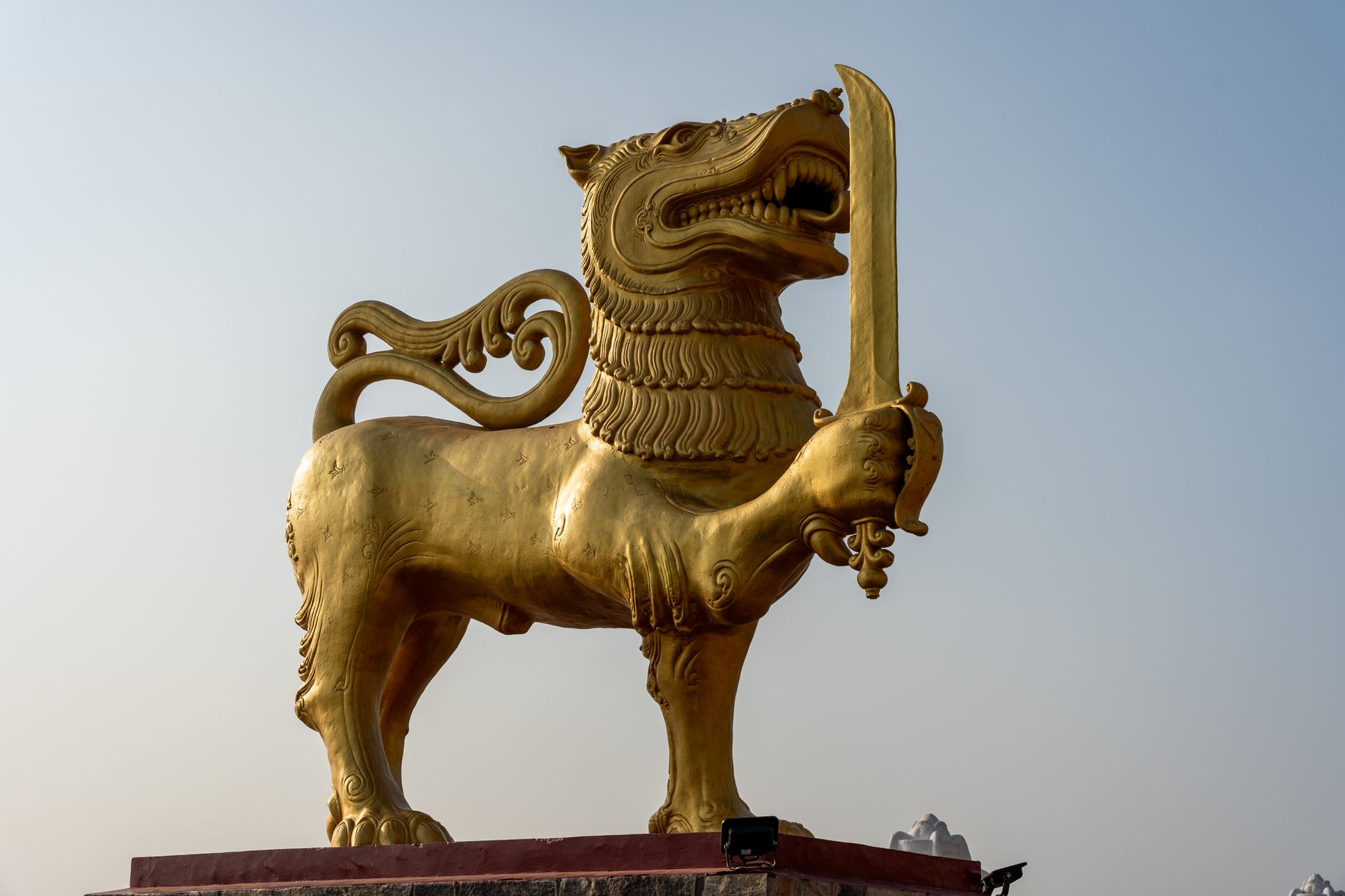
Nallur Kandaswamy Devasthanam is Sri Lanka's principal Hindu temple, situated in the heart of Jaffna in the Northern Province. Dedicated to Lord Murugan (Skanda), it remains the most significant pilgrimage site for Tamil Hindus across the island and serves as a centre of religious and cultural identity for the Jaffna community.
What makes this temple essential to visit?
The Devasthanam represents centuries of Hindu worship in Jaffna and stands as a living monument to the region's spiritual heritage. The temple's architecture blends traditional South Indian design with local adaptation, featuring ornate gopurams (temple towers) and elaborate internal sanctums. Beyond architectural interest, visiting offers insight into active Hindu practices, festival culture, and the community's post-conflict revival efforts. Most visitors spend 30–90 minutes here depending on crowds and ceremony schedules.
When should you visit?
Best visiting period: October to March offers cooler weather and fewer monsoonal disruptions. July to September brings heavier rainfall that can affect road conditions reaching Jaffna.
Related: Nightlife and Evenings in Kandy: Bars, Restaurants & Cultural Experiences
Related: Alugolla: Sri Lanka's Hidden Waterfall Gem in the Central Highlands
Related: Finding Hotel Italia in Sri Lanka: Location, Booking & Alternatives
Festival calendar (prioritise these dates):
- Thaipusam (January/February): The largest festival, attracting thousands. Kavadi-carrying devotees perform ritual penance. Expect significant crowds; arrive early morning.
- Skanda Shashthi (September/October): Six-day festival celebrating Murugan's victory. Temple operations extend; special pujas occur daily.
- Navaratri (September/October): Nine-day festival with daily ceremonies and evening cultural programmes.
Regular puja times run throughout the day. Contact the temple office or check locally upon arrival for current schedules, as timings adjust seasonally.
Practical requirements for visiting
Dress code: Mandatory—respect is non-negotiable here.
- Remove shoes before entering (shoe storage available).
- Cover shoulders and knees. Women should wear dupatta or scarf; men long trousers or traditional mundu preferred.
- Avoid sleeveless tops, shorts, or transparent clothing.
- Photography is restricted in inner sanctum areas; check signage and ask permission before photographing devotees.
Access and entry:
- Entry is free. Donations are welcome but not obligatory.
- The temple is open to visitors of all faiths. Respectful behaviour is expected throughout.
- No alcohol or non-vegetarian food items permitted inside.
Getting there: The temple is centrally located in Jaffna town, easily reached by tuk-tuk (150–250 LKR from most central locations). If hiring a driver for day trips around Jaffna, request a stop here; most journeys include it as standard.
Read more about timing your Jaffna visit: /jaffna/best-time-to-visit.
What to expect during your visit
Upon entry, you'll encounter the outer courtyard, often busy with devotees, temple staff, and vendors selling flowers, incense, and prasadam (blessed offerings). The inner sanctum houses the main shrine of Lord Murugan, ornately decorated and frequently attended by priests conducting pujas.
If visiting during festival periods, the energy is palpable—chanting, music, and the smell of incense create an immersive atmosphere. Outside festival times, the temple remains active but less crowded, allowing quieter observation and photography.
The temple complex includes smaller shrines to Ganesha, Durga, and Hanuman. Devotees often circumambulate the sanctum and leave flowers as offerings.
Estimated visit duration: 30 minutes minimum for a respectful tour; 60–90 minutes if attending a puja or during festivals.
Planning your broader Jaffna itinerary
Nallur sits within walking distance (15–20 minutes) of other cultural and historical sites. Many visitors combine a temple visit with exploring the nearby Jaffna Fort ruins, the Dutch-era architecture of Jaffna town, and the Nallur Lagoon. A full day in Jaffna town—with temple, fort, and local markets—is realistic; add 2–3 extra days if exploring peninsula sites like Casuarina Beach or Point Pedro.
/jaffna provides broader context on Jaffna travel, accommodation, and safety updates.
Practical considerations
Security: Jaffna is safe for tourists. The temple area is well-populated and secure. Standard precautions apply (avoid isolated areas after dark, keep valuables secure).
Language: Tamil is the primary language; English is spoken by younger staff and educated locals. A simple Tamil greeting ("Vanakkam") is appreciated.
Facilities: The temple has basic toilet facilities. Bring water; the climate is warm year-round.
Donation etiquette: If making an offering, amounts vary from 100 LKR upwards. No pressure to donate; the gesture is what matters.
Timing tip: Arrive mid-morning (9–11 a.m.) outside festivals for a balance of active worship and manageable crowds. Early morning (before 8 a.m.) is quietest but may coincide with daily rituals not open to casual visitors.
Comparison: Nallur versus other Sri Lankan temples
While Hindu temples exist across Sri Lanka—particularly in Colombo and along the east coast—Nallur Kandaswamy Devasthanam is unmatched in scale, historical significance, and community importance. It's the only temple in the island to command genuine pilgrimage traffic comparable to major South Indian shrines. For experiencing authentic Tamil Hindu practice in Sri Lanka, Nallur is essential; for architectural interest alone, smaller temples in Colombo may suffice.
FAQ
Q: Is the temple open to non-Hindu visitors? Yes. The temple welcomes respectful visitors of all faiths. Observe dress codes, remove shoes, and avoid photographing restricted areas or interfering with active worship.
Q: Are there specific times women cannot enter? No. Menstruation-related restrictions—common in some South Indian temples—are not enforced here. Women are fully welcome throughout the temple.
Q: What's the best time to photograph? Mid-morning, outside festival periods, offers good natural light with fewer crowds. Always ask permission before photographing devotees or during active pujas. The inner sanctum is generally restricted to photography.
Q: Can I attend a puja as a visitor? Yes. Pujas occur regularly throughout the day. Stand respectfully at the back of the sanctum, observe in silence, and accept prasadam if offered (it's a blessing). Duration varies from 15–45 minutes depending on puja type.