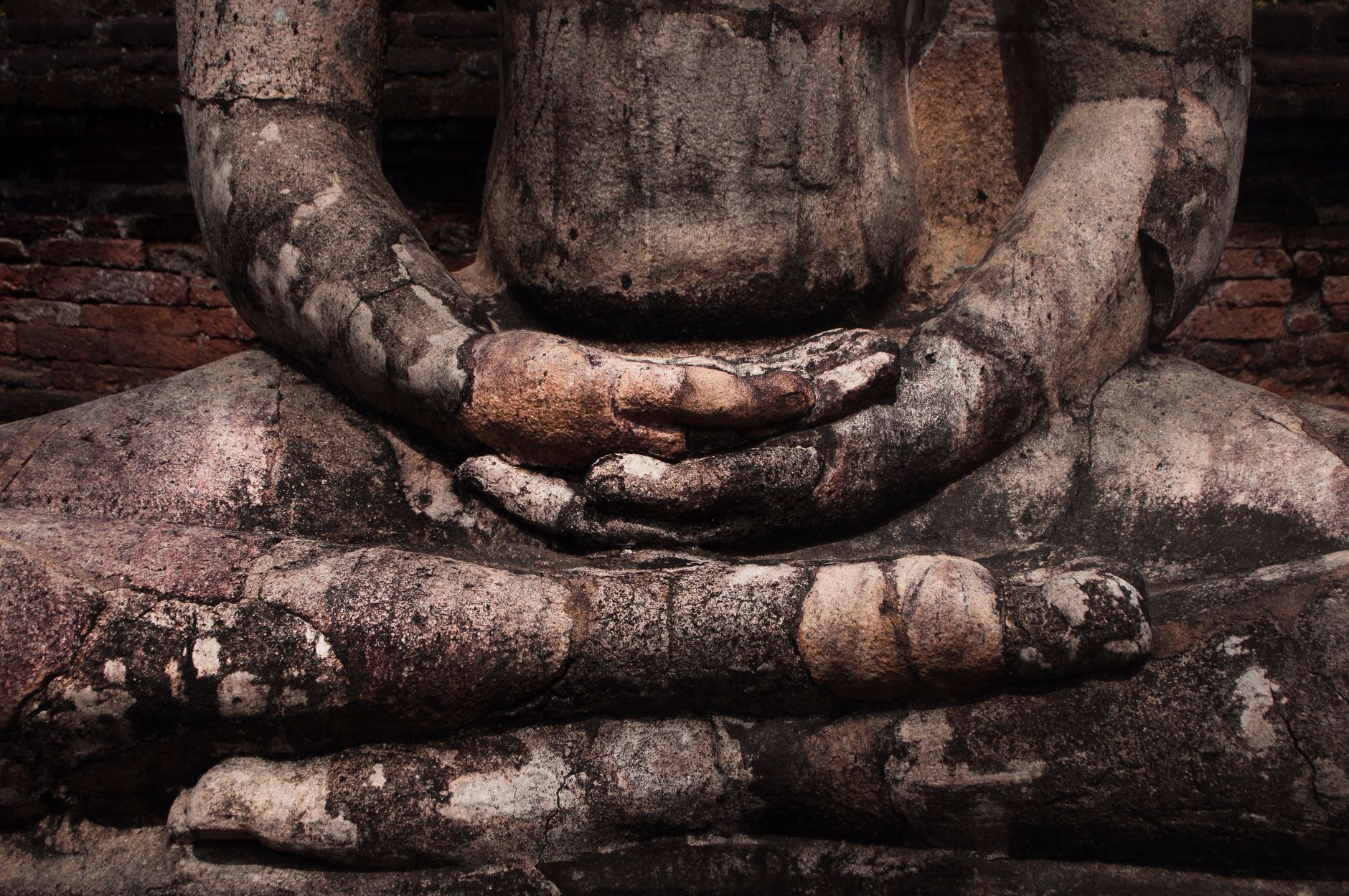
Two days is the ideal amount of time in Polonnaruwa — enough to cover the ancient city ruins thoroughly without rushing, explore the Gal Vihara rock temple, and take in the Parakrama Samudra reservoir at a relaxed pace. This itinerary tells you exactly what to do, when to do it, and where to sleep.
Polonnaruwa is one of Sri Lanka's great Cultural Triangle sites, and unlike Anuradhapura, it's compact enough to cover meaningfully in 48 hours. The entire archaeological zone is manageable by bicycle, which keeps the experience active rather than a monotonous coach tour.
Day 1: The Ancient City Archaeological Zone

Start early — ideally by 7:00am. Polonnaruwa gets hot quickly, and the ruins offer almost no shade. By 9:30am you'll feel it; by midday it's genuinely punishing.
Related: Matale in 2 Days: What to See and Where to Stay
See also: Colombo in 2 Days: What to See and Where to Stay
See also: Narammala in 4 Days: The Complete Itinerary
Morning: Royal Palace and Quadrangle (2–3 hours)
Begin at the Royal Palace Group, just inside the main entrance. The Vijayabahu Royal Palace and the Council Chamber are the standout structures here — note the well-preserved elephant frieze along the platform base. Don't rush this section; the stonework rewards close attention.
From there, head directly to the Polonnaruwa Quadrangle (Dalada Maluwa), which is the most concentrated collection of monuments on the site. Key structures:
- Vatadage — a circular relic house with four Buddha statues at the cardinal points. The moonstone at the northern stairway is one of the finest in Sri Lanka.
- Thuparama Image House — the oldest standing building in Polonnaruwa, with thick walls that make the interior noticeably cooler.
- Hatadage — said to have held the Tooth Relic; the upper storey is partially intact.
- Gal Pota (Stone Book) — a 9-metre granite slab inscribed with a royal proclamation. Worth reading the translation boards.
Allow a full two to three hours here. It's dense with detail.
Midday: Break and Regroup
Return to your accommodation or find shade near the tank bund. Eat, hydrate, and rest between noon and 2:00pm. This is not optional in August — the heat is serious.
Afternoon: Northern Monuments (2 hours)
Cycle north along the main road to the Rankot Vihara, a brick dagoba standing around 55 metres tall — the fourth largest in Sri Lanka. The scale is impressive and it's quieter than the Quadrangle.
Continue to the Lankatilaka Image House, a tall brick shell that once enclosed a colossal standing Buddha. The scale of the interior space gives a good sense of how grand this building once was.
Finish at the Kiri Vihara, a remarkably well-preserved white dagoba — the original lime plaster coating is still largely intact, which is unusual for a structure this old.
Late Afternoon: Parakrama Samudra
The Parakrama Samudra (Sea of Parakrama) is the enormous tank built by King Parakramabahu I in the 12th century. It's best appreciated at dusk from the bund road — the light across the water with birds coming in to roost is genuinely worth the short detour. Several hotels sit along this stretch for good reason.
Day 2: Gal Vihara and Outer Sites

Morning: Gal Vihara (1 hour)
Start at Gal Vihara at 7:00am before the tour groups arrive. This is the non-negotiable highlight of Polonnaruwa: four Buddha figures carved directly from a single granite face. The 15-metre reclining Buddha and the standing figure immediately beside it are among the most technically accomplished pieces of ancient sculpture in South Asia. You're required to remove shoes and walk on hot rock — arrive early to avoid discomfort.
Mid-Morning: Lotus Pond and Tivanka Image House
Continue north to the Lotus Pond (Nelum Pokuna), a beautifully constructed bathing pool with concentric rings of lotus-petal steps. Then visit the Tivanka Image House, the northernmost significant structure in the park, notable for its exterior brick carvings and a large seated Buddha inside.
Afternoon: Polonnaruwa Museum and Town
The Polonnaruwa Archaeological Museum near the main entrance is genuinely worthwhile — it provides context that makes revisiting what you've seen make more sense. Allow an hour. The bronzes collection is excellent.
The town itself has limited tourist infrastructure, but the market area near the clock tower is worth a short walk if you want to see daily Sri Lankan life rather than ruins.
Where to Stay in Polonnaruwa

Accommodation ranges from simple guesthouses in the town to resort-style properties along the Parakrama Samudra bund. Here's an honest comparison:
Best Overall: Ekho Lake House Polonnaruwa
Ekho Lake House Polonnaruwa — 5 stars, rated 9.1/10 from 142 reviews. The top-rated property in the area by a clear margin. Sits close to the lake with well-appointed rooms and reliable service. Best choice if you want to stay somewhere genuinely good without compromise.
Best Mid-Range with Character
Ruins Chaaya Hotel — 4 stars, rated 8.6/10 from 63 reviews. Strong rating, good position relative to the archaeological zone. A solid choice for travellers who want comfort without full resort pricing.
Giritale hotel — 4 stars, rated 8.1/10 from 259 reviews. Located in Giritale, about 13km from the ruins — a quieter setting if you prefer being out of town. The drive to the site is easy by tuk-tuk.
The Deer Park Hotel — 5 stars, rated 8.3/10 from 136 reviews. Another solid upmarket option with good reviews across a reasonable sample size.
Good Value Mid-Range
Hotel Sudu Araliya — 4 stars, rated 7.8/10. The Lake Hotel — 4 stars, rated 7.7/10. Both are competent, central options. Neither will surprise you, but they won't let you down.
Living inn Polonnaruwa — 2 stars, rated 8.5/10 from 45 reviews. Strong rating for its category and worth considering if budget is a priority.
Budget
Hotel Ancient Village — rated 8.3/10, simple guesthouse-style accommodation with a notably good score. Rock Cascade - Home Stay and Seyara Holiday Resort are also reasonable budget options with decent reviews.
How to Get Around the Archaeological Zone
Rent a bicycle from your guesthouse or from shops near the museum entrance. The entire northern circuit is roughly 12–14km; the terrain is flat and the road surface is good. Tuk-tuks are available if you'd rather not cycle, but you lose flexibility. A guided tour in a vehicle is the least recommended option — the site rewards wandering at your own pace.
Combining Polonnaruwa with Other Destinations
Polonnaruwa sits within easy reach of several other major sites. Sigiriya is around 35km northwest — many travellers combine the two over three or four days. Dambulla is another reasonable add-on. If you're building a broader Cultural Triangle loop, check the best time to visit Polonnaruwa before you commit to dates — the dry season between May and September is generally preferable for site visits.
FAQ
How much does entry to the Polonnaruwa archaeological site cost? Entry fees for the ancient city are set by the Central Cultural Fund and are subject to change. As of 2026, foreign visitors pay a combined ticket covering multiple sites. Confirm the current rate at the site entrance or through the Cultural Triangle authority — don't rely on third-party figures, as fees have been revised in recent years.
Is two days enough for Polonnaruwa, or do I need more? Two days is genuinely sufficient for most travellers. The site is well-contained, and the itinerary above covers everything of significance without rushing. A third day only makes sense if you want to visit Medirigiriya (the Mandalagiri Vihara), which is a 30km detour and requires its own half-day.
Can I visit Polonnaruwa as a day trip from Sigiriya or Dambulla? Technically yes, but it's a compromise. The drive from Sigiriya takes around 40–50 minutes, so a day trip is feasible if you start early. However, you'd miss the early-morning light at Gal Vihara and the dusk views over the tank — both of which are genuine highlights. Staying overnight is worth it.
When is the best time to visit the ruins each day? Always in the early morning — aim to be at your first monument by 7:00am. The combination of low light and thin crowds makes the experience significantly better. Avoid the ruins between 11:00am and 2:00pm regardless of season; the heat and coach groups peak simultaneously during this window.