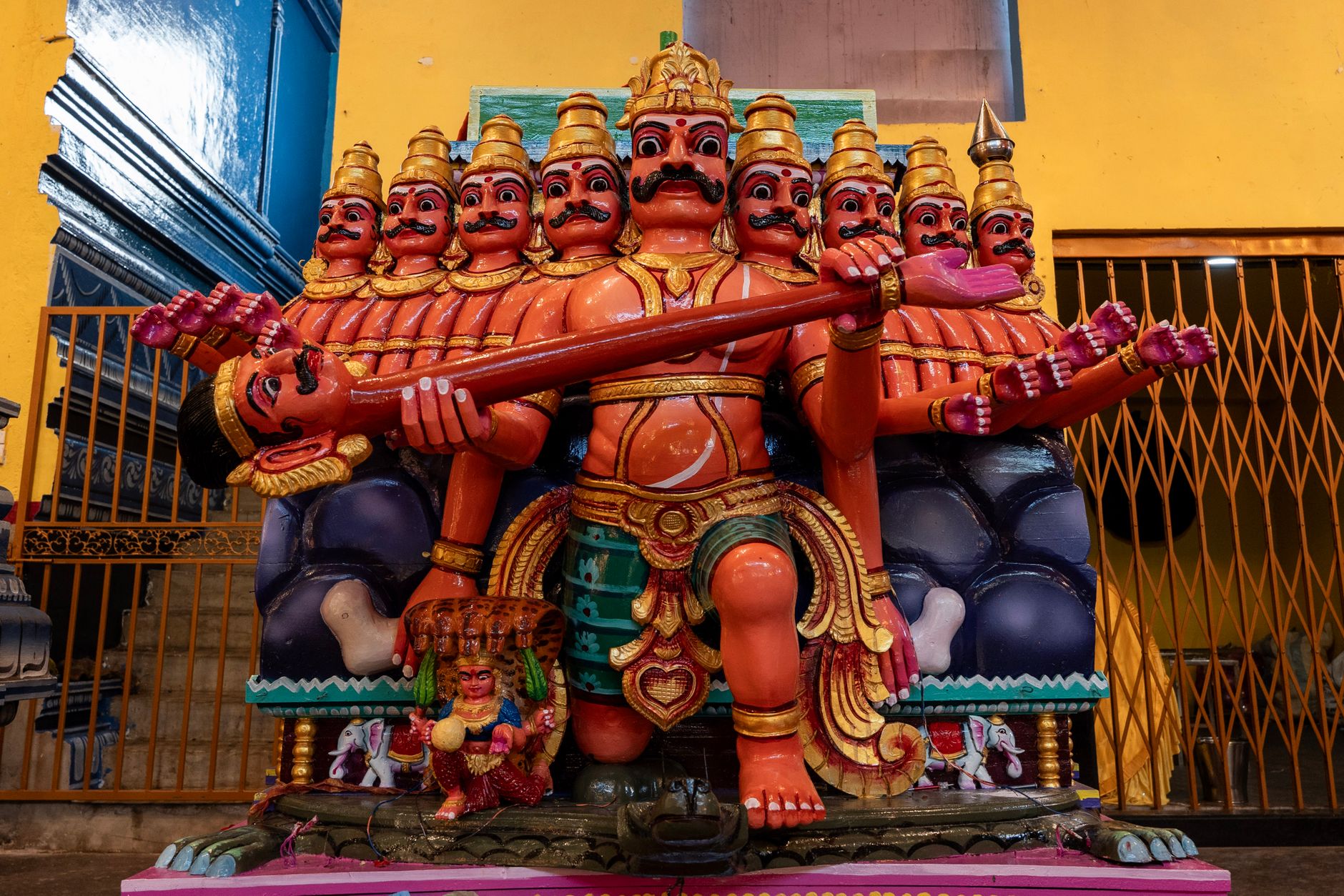
Ravana Gala is a 25-metre waterfall and cave shrine located in the hills above Ella, roughly 2.5 kilometres inland from the town centre. Local tradition connects the site to Ravana, the antagonist of the Ramayana epic, though the historical evidence for this connection is debated among scholars. What's undeniable is the place's physical drama—a powerful cascade dropping into a deep pool, surrounded by lush vegetation and a small cave sanctuary that has drawn pilgrims and curious visitors for generations.
The site exists at the intersection of natural spectacle and spiritual practice. Unlike Sri Lanka's more commercialised waterfalls, Ravana Gala maintains an intimate, slightly rough-edged character. The journey to reach it is part of the experience, requiring a steep descent through forest and careful navigation around boulders and exposed roots.
What makes Ravana Gala different from other Sri Lankan waterfalls?
Most popular waterfalls in the central highlands—think Dunhinda or Ramboda—have been developed with proper steps, viewing platforms, and accessible pathways. Ravana Gala deliberately resists this approach. The waterfall itself is modest in height compared to other Sri Lankan cascades, but the entire setting feels more integrated into the landscape than engineered for tourism. The cave shrine at the site adds a cultural layer absent from purely scenic waterfalls; you'll often see offerings of marigold garlands and devotional paintings inside.
Related: Gal Oya for Solo Travellers: Safety and Practical Tips
Related: Is Ambalantota Worth Visiting? An Honest Take
Related: Nallur Kovil Opening Times and Visiting Guide
The pool at the base is genuinely swimmable, unlike many waterfalls where the volume or depth makes swimming unsafe. The water is cold year-round, even during the southwest monsoon when water levels rise significantly.
How to reach Ravana Gala
From Ella town, head south towards Kandapola village. A signed entrance exists near the Ravana Waterfall Rest House, though signage can be unclear depending on when it was last refreshed. Allow 30–40 minutes to descend the steep path from the entrance to the waterfall itself; the return journey is considerably more demanding on the legs, taking 45 minutes to an hour uphill.
Wear proper footwear—trainers or hiking boots with decent grip are essential, as the path becomes slippery during or immediately after rain. The ground is uneven throughout, with tree roots, exposed rocks, and sections where you'll need to use your hands for balance.
Taxis from Ella town will negotiate a fare to the entrance; expect to pay around LKR 400–600 for a return journey with waiting time. Many visitors combine a visit with a walk through Ella's tea plantations or a trek to Little Adam's Peak, both nearby.
Visiting in different seasons
Ravana Gala is accessible year-round, but conditions vary significantly. During the southwest monsoon (May to September), water levels rise dramatically, creating a more powerful waterfall but also making the descent more treacherous. The cave area can flood at its entrance, and the pool becomes less inviting due to stronger currents.
The best visiting months are December through March, when the path is driest and the weather most predictable. The waterfall's volume is lower during this period, but the experience is safer and more comfortable. The northeast monsoon (October–November) brings moderate rainfall and decent conditions for visiting.
The cave and spiritual context
The cave behind and to the side of the waterfall contains a small shrine with Buddha statues and Ramayana-related imagery. Local guides and residents will explain the Ravana connection—the story claims the demon king bathed in this pool or used the cave as shelter. The historical basis for this belief is thin, but it reflects how strongly the Ramayana narrative is woven into local identity across Sri Lanka.
Visitors should approach the shrine with respect if you wish to enter. Remove shoes or ask if this is appropriate; observe quietly if others are praying. Photography inside the cave is generally acceptable but do so discreetly.
Practical considerations
There's no entrance fee to visit Ravana Gala, though small donations to the shrine are welcome if you feel moved to leave them. The Rest House near the entrance can provide basic refreshments and cold water, though don't expect a full menu or sophisticated facilities.
Bring sufficient water for the hike—at least 1–1.5 litres—as the descent heats you quickly and the ascent requires hydration. The path passes through dense forest with minimal shade in places. A torch or headlamp is useful if you're hiking in early morning light, as the forest canopy is thick.
If you're swimming, bring a change of clothes and a waterproof bag; the pool's depth and temperature can be surprising. The water is cold enough that most people don't stay in for very long.
Check locally about current conditions before visiting, particularly if there's been heavy rain. The path occasionally washes out or becomes impassable after intense downpours. Local guest houses and tour operators in Ella will have up-to-date information.
How long should you spend at Ravana Gala?
Allow 2–3 hours total if you're making a dedicated visit: 30–40 minutes descent, 30–45 minutes at the waterfall and cave (swimming, exploring, resting), and 45 minutes to an hour ascending. If you're combining it with other activities in Ella—tea estate walking, Little Adam's Peak—factor in transport time and rest periods. Many visitors do this as a half-day activity rather than the main focus of their stay.
The site rarely feels crowded, even during peak season. You might encounter local families or small groups of walkers, but never the queues that form at Dunhinda or Ramboda waterfalls.
Related activities near Ravana Gala
Ella offers plenty to occupy 2–3 days. Little Adam's Peak is a straightforward hike accessed from the town and gives expansive views across the plantations and valleys below. Tea estate walking tours operate throughout the region, allowing you to see how tea is grown and processed. The Nine Arches Bridge is a short train journey away, a photogenic railway viaduct surrounded by plantation scenery.
The Ella town itself is compact but atmospheric, with guest houses, small restaurants, and a palpable sense of being at the edge of the central highlands. Many visitors spend a night or two based here rather than rushing through.
Frequently asked questions
Is swimming at Ravana Gala safe? Yes, the pool is generally safe for swimming. The water is cold and the current is manageable except during heavy monsoon rainfall. Avoid swimming if water levels are visibly high or if recent heavy rain has made the stream turbulent.
Do I need a guide to visit Ravana Gala? No, but a local guide is helpful if you're unfamiliar with the area or want contextual information about the mythology and local history. Guides can be arranged through Ella guest houses and will charge around LKR 800–1,500 for the trip.
What's the best time of day to visit? Early morning or late afternoon light is most flattering if you're photographing. Avoid midday when the sun is directly overhead and the forest canopy creates harsh shadows. The site is quieter in early morning.
Can children visit Ravana Gala? Older children (8+) with good mobility and confidence on steep terrain can manage the walk. The path is genuinely steep and uneven, so it's not suitable for very young children or anyone with mobility difficulties.