Sri Lanka Tea Tour: Best Estates, Costs & Itineraries
A Sri Lanka tea tour visits working estates in the central highlands, typically costing £20–£80 per day including transport and tea tasting. Most tours depart from Kandy or Nuwara Eliya, last 1–3 days, and include factory visits and plantation walks. Early morning starts (6 AM) capture the best photo light and cooler temperatures.
Which tea regions should you visit?
Ceylon tea grows across three main zones, each producing distinct flavours and elevations:
Kandy district (600–1,200 m)
Related: Puttalam with Family: What Works and What to Skip
Related: Best Places in Sri Lanka for Scuba Diving and Snorkelling
Related: Is Polonnaruwa Worth Visiting? An Honest Take
- Closest to Kandy city (30–45 km)
- Medium-bodied teas, brisk character
- Most accessible; tours run daily
- Typical cost: £25–£45/person
- Best visited May–August and January–March
Nuwara Eliya (central highlands) (1,200–1,900 m)
- Highest altitude; full-bodied, light-coloured liquor
- Premium quality; most famous estates here
- 50 km from Kandy (2–2.5 hours by car)
- Typical cost: £35–£65/person
- Year-round climate cool; best light in early morning
Dimbula (1,000–1,400 m)
- Between Kandy and Nuwara Eliya
- Medium elevation; balanced profile
- Fewer tourists; more intimate experience
- Typical cost: £30–£50/person
What's included in a typical tour?
Most tea tours follow this pattern:
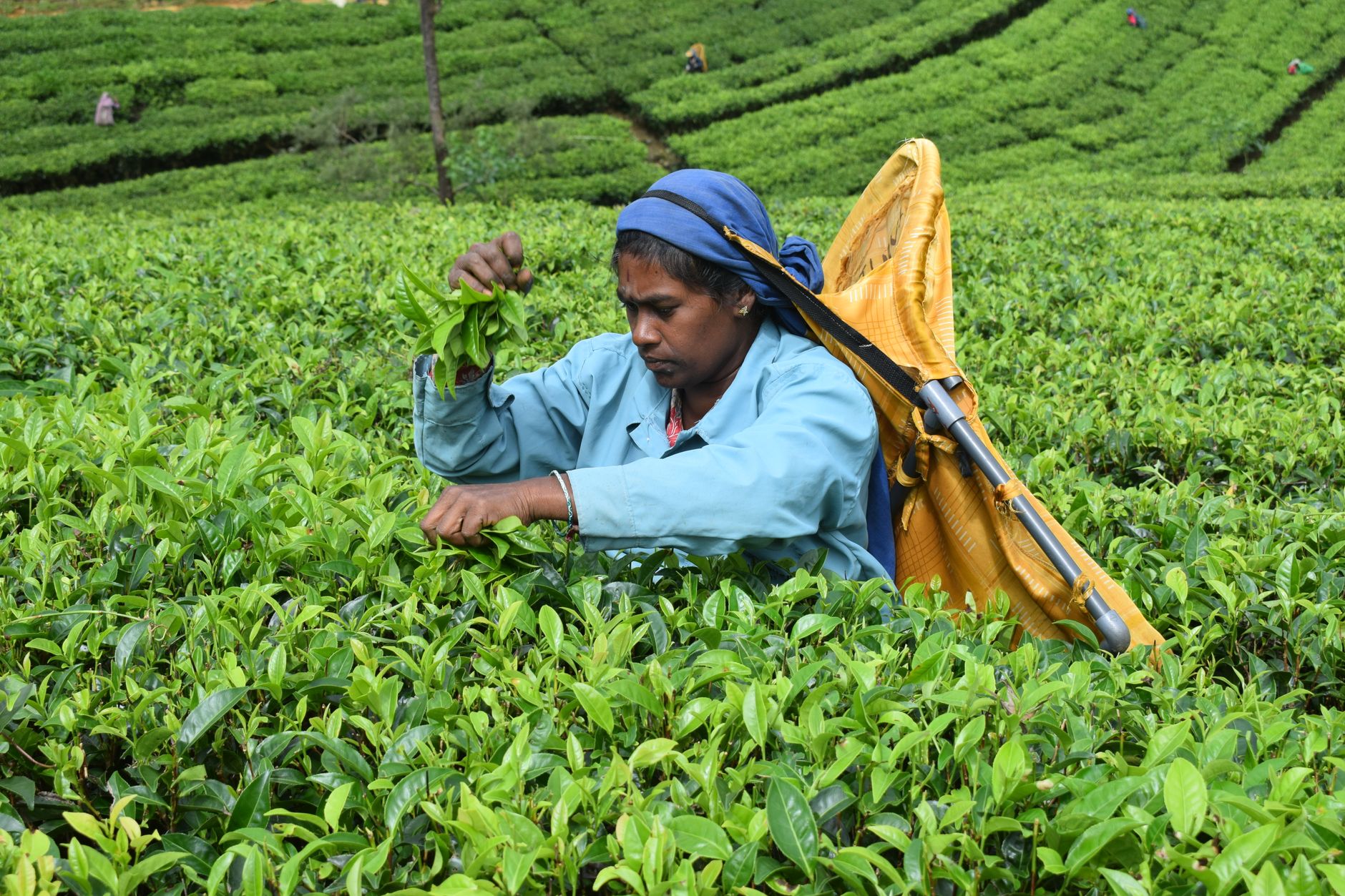
- Plantation walk: 1–2 hours picking alongside workers or observing harvesters. Wear sturdy shoes; terrain slopes at 30–45°.
- Factory visit: See withering, rolling, fermentation, drying, and grading. Tours run 2–3 hours; temperatures can exceed 30°C in drying rooms.
- Tea tasting: 3–5 brews comparing fresh leaf grades (Orange Pekoe, Broken Orange Pekoe, Fannings). Learn water temperature (75–95°C by grade) and steep times.
- Light lunch: Often included; basic curries or sandwiches, rarely vegetarian options.
- Transport: Most tours include hotel pickups from Kandy or Nuwara Eliya.
Some tours add homestays (£15–£35 extra) with tea-farmer families, including meals and evening explanations of the harvest calendar.
How much does a tea tour cost?
Group tours (4+ people):
- 1-day Kandy area: £25–£40/person
- 1-day Nuwara Eliya: £35–£60/person
- 2-day with overnight stay: £60–£100/person
- Multi-estate (3 days): £100–£150/person
Private tours (1–3 people):
- 1-day private guide + transport: £80–£150 total (split costs if sharing)
- Multi-day estate-to-estate: £120–£200/day
Budget option: Book independent estate tours (many tea factories welcome walk-ins). Cost: £10–£20/person. No transport included; you'll need a hired driver (£40–£60/day) or hire a vehicle (£50–£80/day from Kandy).
Best months for a tea tour
Peak harvest:
- August–September (main flush)
- January–February (second flush) Planters are busiest; most dramatic activity. Roads can be wet in September.
Shoulder seasons (May–July, March–April):
- Cooler temperatures
- Fewer tourists on estates
- Lighter picking volumes; less worker activity
- Clearer morning visibility for photography
Avoid: November–December (north-east monsoon, heavy rain, slippery slopes).
How to book a tea tour
In-person bookings (best value):
- Walk into any guesthouse or hotel in Kandy or Nuwara Eliya and ask. Most arrange tours within 2–4 hours.
- Cost typically 10–15% less than online pre-booking.
- Departure times flexible.
Online platforms:
- Viator, GetYourGuide: £40–£80 (include 20–30% markup). Book 2–3 days ahead.
- Agoda Experiences, Klook: Similar pricing; same-day bookings sometimes available.
Direct estate contact:
- Some large estates (Nuwara Eliya area) accept walk-in visitors 9 AM–4 PM. No booking needed. Cost: £5–£15. Restricted access to production areas; less detailed explanations.
What to bring and expect
Essentials:
- Sturdy hiking boots with ankle support (plantation terrain is steep, often wet)
- Quick-dry trousers or leggings (mud, dew, morning mist)
- Rain jacket (even in dry season, mist and sudden showers occur)
- Hat and sunscreen (at 1,500+ m, UV exposure is high)
- Water bottle (1.5 litres minimum; elevation causes dehydration)
Physical demands:
- Walking 1–2 hours at 1,200–1,900 m elevation
- Steep gradients; not suitable for reduced mobility
- Humidity 60–80% in factories
Timing:
- Start 6–7 AM to catch harvesters before mid-morning
- Most tours finish by 2–3 PM
- Altitude adjustment: arrive in the highlands a day before if prone to altitude sickness
Single-estate vs multi-estate comparison
Single estate (1 day):
- Depth over breadth; detailed explanations
- Less travel time (1–2 hours from Kandy)
- Cost: £25–£50/person
- Best for: First-time visitors, limited time, families with children
Multi-estate (2–3 days):
- Compare different altitudes, processing styles, leaf grades
- More cultural immersion (homestays, local meals)
- Cost: £70–£150/person
- Travel time: 2–4 hours daily
- Best for: Serious tea enthusiasts, photographers, extended holidays
Multi-estate tours typically visit:
- Low-altitude estate (Kandy area, lighter tea)
- Mid-altitude estate (Dimbula, balanced character)
- High-altitude estate (Nuwara Eliya, premium quality)
Links to related guides
Plan your broader trip around the tea region:
- Kandy highlights – cultural triangle access, starting point for most tea tours
- Nuwara Eliya weather & best time – crucial for planning tour dates
- Ella travel guide – alternative base for south-central highlands
- Train routes to tea country – scenic alternative to driving
FAQ
Do tea tours include accommodation? No, unless you book a 2+ day package that explicitly mentions homestays or guesthouse nights. Day tours typically require you to stay in Kandy or Nuwara Eliya separately.
Can you pick tea if you've never done it before? Yes. Most tours let beginners pick small handfuls supervised by workers. Expect to harvest 50–200 g in 30 minutes (professional workers harvest 20–25 kg/day). It's exhausting but included as a photo opportunity, not productive labour.
Is the tea tasting educational or just a sales pitch? Both. Most estate tea tastings explain leaf grade, water temperature, and flavour notes. Many will push their premium leaf at estate shop prices (£12–£25 for 250 g), which are 2–3× higher than supermarket Ceylon tea. Compare at Colombo's tea shops before committing.
Can you visit tea estates independently without a guide? Some factories allow walk-ins, but explanations are minimal and access is restricted. Hiring a private guide (£60–£80/day) or joining a group tour gives you access to active production areas and proper context. Solo travel to estates without booking is not recommended.