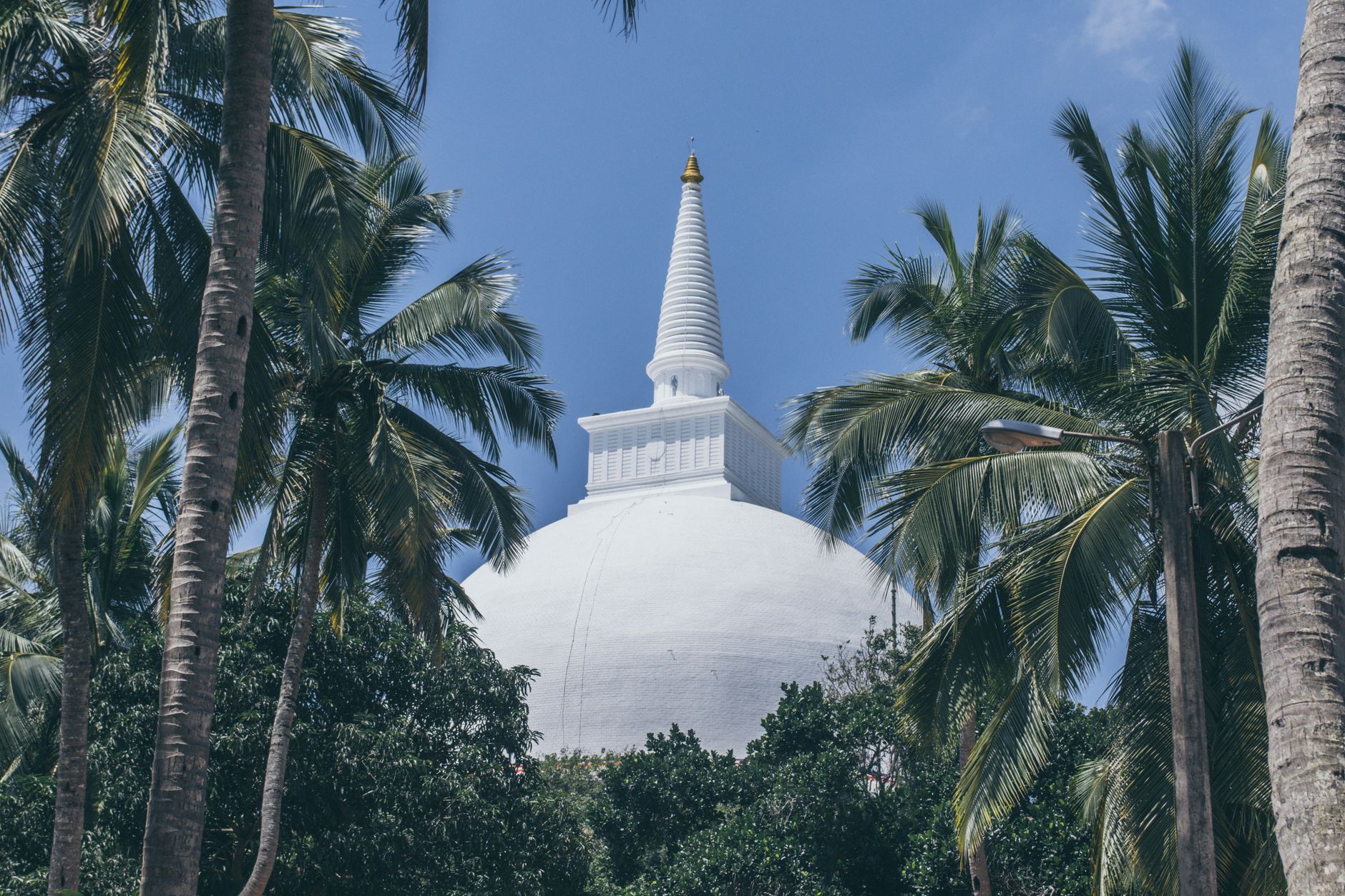
Four days in Tissamaharama gives you enough time for two Yala game drives, a birding morning at Bundala, a circuit of the ancient sacred sites, and a slower afternoon on Kirinda's cliffs — without rushing a single one. This itinerary is built around actual park gate logistics, animal behaviour patterns, and the rhythm of a town that runs on early mornings.
Where exactly is Tissamaharama, and how do you get there?
Tissamaharama — Tissa to everyone who lives here — sits in Sri Lanka's deep south, roughly 290 km from Colombo and about 70 km east of Matara. The easiest overland route is the Southern Expressway to Matara, then the A2 coast road east. By hired car or taxi the journey takes around four to five hours from Colombo. If you're arriving from Ella, budget three hours along the spectacular B581 highland road — the drive itself is worth the detour.
Arrive the evening before Day 1 so you're not scrambling for a 5:30 am park gate departure on your first morning.
Related: Kalpitiya in 2 Days: What to See and Where to Stay
See also: Colombo in 2 Days: What to See and Where to Stay
See also: Balangoda in 4 Days: The Complete Itinerary
Day 1: First Yala Safari (Block 1, Morning Drive)
Yala National Park's Block 1 is the most visited section for a reason: it holds the world's highest recorded density of wild leopards. Your guide will pick you up between 5:15 and 5:30 am. The gate opens at 6:00 am, and arriving in the first wave matters — leopards are most active just after dawn before heat drives them into cover.
Spend the first two hours scanning rocky outcrops around Patanangala beach and the scrub edges near Sithulpawwa road. Leopards often rest on boulders facing east to catch the early warmth. Sloth bears are active at this hour too, particularly around fruiting palu trees (Manilkara hexandra) from March through June.
Return to camp by 10:30 am before midday heat empties the park of visible wildlife. Spend the afternoon resting — you'll need it — and walk the bund of Tissa Wewa as the light softens. The reservoir holds painted storks, open-billed storks, and great white pelicans in the dry season (June–September). Evening meal in town: the string hoppers at local rest houses near the tank bund are honest and filling.
Where to stay: Cinnamon Wild Yala Hotel (★★★★★, 9.0/10 from 681 reviews) sits inside a private concession bordering the park boundary — no transfer needed for gate arrival. Jetwing Yala (★★★★★, 9.0/10 from 382 reviews) shares the same exceptional rating and faces the ocean just south of the Block 1 entrance.
Day 2: Bundala National Park and Kirinda
Bundala deserves a full morning, and most visitors skip it entirely — which is precisely why the birding is better here than at Yala. This UNESCO Biosphere Reserve is a wetland chain of five lagoons that attracts greater flamingos (present roughly October–March), thousands of migratory waders, and year-round residents including the rare lesser adjutant stork.
Arrive at the western entrance around 6:30 am. Jeeps move slowly along the single track through scrub and lagoon edge; your naturalist guide should know which lagoon sections hold the highest flamingo concentrations in the current week. Two to three hours is sufficient for a satisfying circuit.
After Bundala, drive 15 minutes south to Kirinda. The white stupa on the coastal rock shelf is one of southern Sri Lanka's quietly dramatic landmarks — the view from the rock platform takes in open ocean, reef breaks, and the silhouette of Great Basses lighthouse on the horizon. Picnic lunch here, then back to Tissa for the afternoon.
Use the late afternoon to visit Tissa Dagoba and Yatala Wehera, two ancient stupas that predate recorded Sri Lankan history. Neither requires more than an hour between them, but the brickwork and the resident monitor lizards sunning on the ruins reward slow walkers.
Accommodation option: DoubleTree by Hilton Weerawila Rajawarna Resort (★★★★, 9.4/10 from 296 reviews) is the highest-rated property in this list and sits near Weerawila Reservoir — itself a fine birding spot. Budget-conscious travellers will find Blue Turtle Hotel (★★★, 8.8/10 from 213 reviews) punches well above its star rating.
Day 3: Second Yala Safari (Afternoon Drive) and Sithulpawwa Rock Temple
Afternoon drives at Yala run roughly 3:00 pm to 6:30 pm and offer something the morning drive doesn't: the golden hour light that makes elephant herds at waterholes genuinely spectacular. Elephants tend to move toward permanent water in the late afternoon; your driver should position the jeep downwind of the Gonalabbe Lewaya or Maha Lewaya lagoons around 4:30 pm.
Before the afternoon drive, dedicate the mid-morning to Sithulpawwa Rock Temple inside Yala's Block 2. The temple complex — cut into a granite inselberg that rises abruptly from flat scrub — dates back to the second century BC and housed over 12,000 monks according to chronicles. The climb is 15–20 minutes on worn stone steps; the view from the summit takes in the park's eastern extent all the way to the coast.
Note that Block 2 requires a separate permit from Block 1. Arrange this through your guide or accommodation the evening before.
Property pick for safari proximity: Ekho Safari Tissa (★★★★★, 8.2/10 from 1,224 reviews) has the largest review base of any property on this list — useful signal for consistent quality. Laya Safari Hotel (★★★★★, 8.2/10 from 220 reviews) is a quieter alternative with a similar score.
Day 4: Kataragama and Departure
Kataragama is only 18 km northeast of Tissa and is among the most sacred multi-faith pilgrimage sites in Asia — revered simultaneously by Buddhists, Hindus, and Veddah communities. Visit before 9:00 am when devotees arrive for morning puja at the Maha Devale; the fragrance of incense, the sound of drums, and the dense river of worshippers crossing the Menik Ganga ford are unlike anything else in the south.
The sacred precinct is compact: the Maha Devale (Skanda shrine), the Kiri Vehera dagoba, and the mosque sit within easy walking distance. Dress modestly (shoulders and knees covered) and remove footwear at all shrine entrances.
If your departure isn't until evening, a final loop around the Tissa Wewa bund after Kataragama gives you a last look at the waterbirds and a chance to buy dried spices and jaggery from the small market stalls near the tank. The drive back toward Colombo or onward to Mirissa takes you through the same lush coastal corridor you arrived on.
For a slower final night: Thaulle Pure Ayurveda Resort (★★★★★, 8.6/10 from 164 reviews) offers Ayurvedic treatments that slot naturally into a wind-down day, while Chaarya Resort and Spa (★★★★★, 8.3/10 from 342 reviews) pairs well with guests wanting spa access after three active days.
When is the best time to visit Tissamaharama?
The dry season from June to September is peak season for Yala wildlife — water sources shrink, animals concentrate, and leopard sightings are most reliable. Bundala's flamingos peak between October and March. The park closes entirely for six weeks in September–October (exact dates vary annually) for an ecological rest period — check closure dates before booking. For a fuller picture, see our guide to the best time to visit the area.
FAQ
Do I need to book Yala safari jeeps in advance? Yes, especially June through August. The park limits daily vehicle numbers in Block 1. Book through your accommodation or a licensed operator at least two weeks ahead during peak season; a few days' notice may suffice in the shoulder months.
Can I do Bundala and Yala on the same day? Technically yes — Bundala morning, Yala afternoon — but it makes for a 12-hour day. This itinerary separates them deliberately so you're alert for both. Tired wildlife spotting is largely wasted wildlife spotting.
Is Tissamaharama suitable for children? Absolutely. Game drives are naturally engaging for older children (6+), and the ancient tanks and dagobas are low-effort sightseeing. Younger children may find the 5:30 am starts and jeep heat difficult; afternoon drives are the gentler option.
How much does a Yala jeep safari cost? We don't publish specific prices as these change seasonally and vary between operators. Your accommodation's front desk or a quick enquiry to a licensed Tissa-based naturalist guide will give you a current, accurate figure.