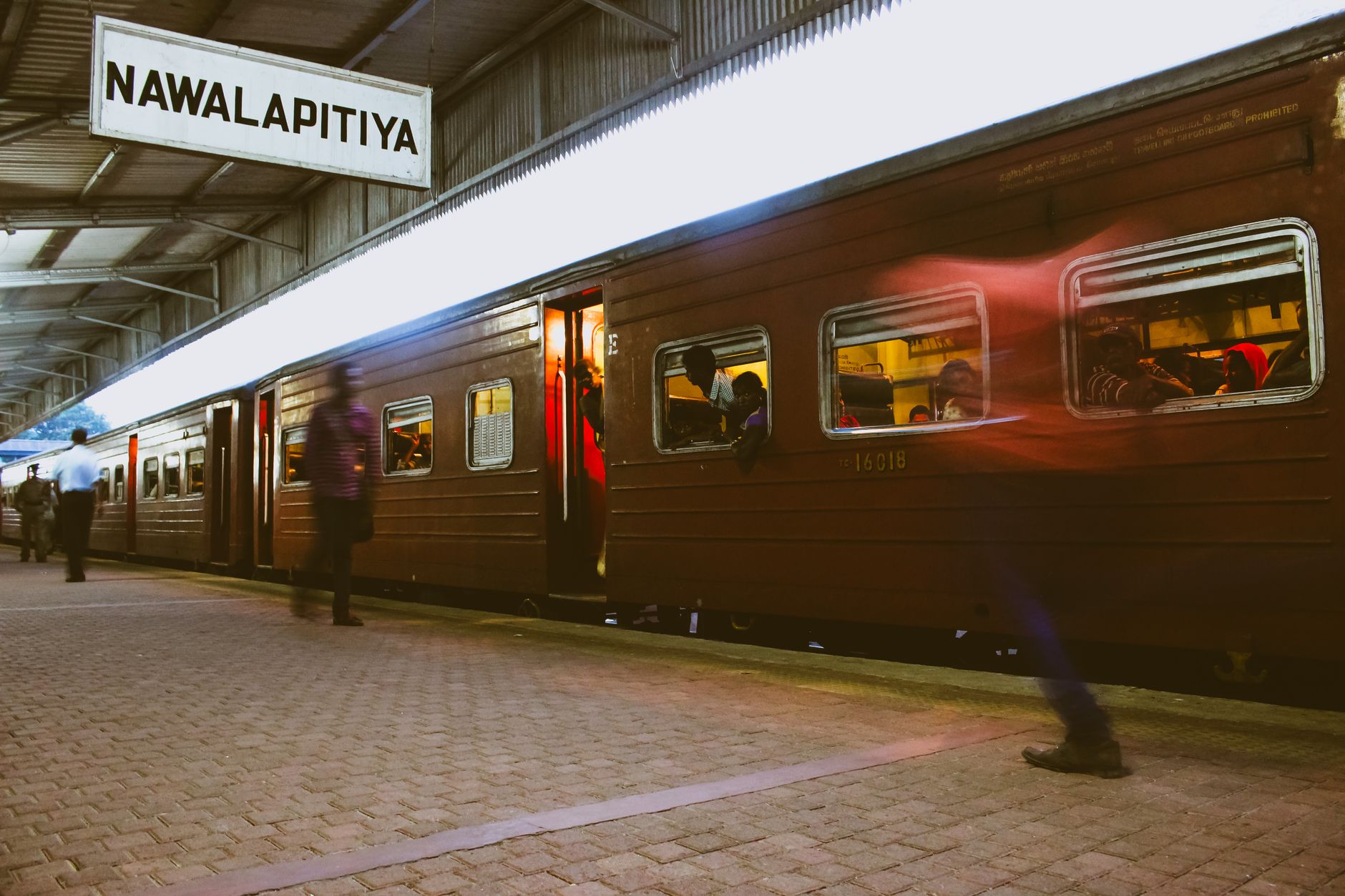
Train to Ella from Kandy: Routes, Schedule & Travel Guide
The train from Kandy to Ella is one of Sri Lanka's most celebrated rail journeys, threading through emerald tea estates, past colonial-era stations, and into the cool heart of the Central Highlands. However, there is no single direct train, so understanding your routing options—and the practicalities of booking—will make the difference between a smooth, atmospheric journey and a frustrating day of missed connections.
What are the main train routes from Kandy to Ella?
There are two primary ways to travel by rail from Kandy to Ella. The most straightforward involves taking a service from Kandy to Nuwara Eliya (approximately 4–5 hours), then switching to a connecting train from Nuwara Eliya to Ella (around 2.5–3 hours). Both segments pass through scenery—rolling hills, tea plantations, and frequent stops at villages—though the second leg is generally considered more visually dramatic as it descends toward Ella.
Alternatively, some travellers journey via Peradeniya Junction, which lies just outside Kandy, to catch services that bypass Kandy station itself. This is rarely the faster option but occasionally offers better timetable alignment if your accommodation or onward plans favour it.
Related: Eco Tourism Center Urani: A Guide to Sri Lanka's Conservation Hub
Related: Finding Hotel Italia in Sri Lanka: Location, Booking & Alternatives
Related: Fairview Hotel Colombo: Location, Rooms & What to Expect
A third unofficial route involves private observation car services or tourist-oriented trains that depart from or near Kandy and aim toward the highlands; availability and reliability vary considerably, so these should be treated as occasional rather than standard options.
How long does the journey take and what is the schedule like?
Expect a total travelling time of 7–9 hours from central Kandy to central Ella, including the layover in Nuwara Eliya. The Kandy–Nuwara Eliya segment typically departs mid-morning and arrives early afternoon, offering a window of 1–3 hours to rest, eat, and change platforms. The Nuwara Eliya–Ella service then departs in the late afternoon or early evening, arriving in Ella as daylight fades or after dark, depending on the season and any delays.
Train schedules in Sri Lanka are notoriously fluid; while published timetables exist, delays of 30 minutes to two hours are commonplace due to track maintenance, passing freight services, or weather. The observation car services, if running, sometimes operate fixed departure times but should be confirmed directly with the operator or your hotel.
When should you travel and what's the best season?
The journey is feasible year-round, though the experience shifts with the monsoons and cloud cover. From May to September, the southwest monsoon brings afternoon cloud and occasional rain to the highlands; this can obscure views but also creates moody, atmospheric photographs and means fewer tourists on board. December to March is drier and clearer, especially in the mornings, though trains fill quickly with visitors. April and October–November are shoulder months with mixed conditions and moderate crowds.
For visual clarity and comfort, travelling in the morning Kandy–Nuwara Eliya leg maximises daylight; the afternoon Nuwara Eliya–Ella leg inevitably darkens toward the end, so if your priority is views over experience, consider staying overnight in Nuwara Eliya and taking the onward train the following morning.
How do you book tickets and what should you know about classes?
Tickets for Sri Lankan trains are inexpensive—typically between LKR 600–1200 (roughly £1.50–£3) per segment—but securing them requires planning. Book at least one to three days ahead at the station ticket offices in either Kandy or Peradeniya Junction; online booking through the Sri Lankan Railways website or app is available but unreliable for international card payments. Many travellers ask their hotel or guesthouse to book on their behalf, which adds a small commission but removes uncertainty.
Three classes operate on most services: third class (crowded, local, authentic, cheapest), second class (moderately comfortable, mixed local and tourist use), and first class (rare on these routes, and when available, offers reserved seating and marginally better conditions). Second class is recommended for comfort without excessive cost; third class offers genuine local atmosphere but minimal padding and standing room only during peak hours.
The observation cars—if available—operate as a separate ticket tier, typically costing three to five times the standard second-class fare, and are pitched toward tourists seeking unobstructed views and reserved seating. They are not always running and should be confirmed in advance.
What should you pack and expect during the journey?
Wear layers; the highlands are noticeably cooler than Kandy or the lowlands, and the train itself can be draughty. Bring a light fleece or cardigan. A window seat is worth requesting or arriving early to claim; the views justify the minor discomfort of sleeping against glass.
Bring snacks, water, and a packed meal if you prefer certainty—station buffets exist but are basic and queues form quickly during crew changes. Tea and snacks are sold by vendors boarding at major stops; quality is variable but prices are very low. The toilet facilities are basic and become less pleasant as the day progresses, so use them early.
Expect noise, vibration, and a sensory immersion into how ordinary Sri Lankans travel; this is the appeal and the challenge of the route. Bring noise-cancelling headphones if you wish to rest. A camera or phone for photos is essential, though you may find yourself simply watching the landscape rather than documenting it.
How does the train journey compare to alternatives?
Driving from Kandy to Ella via road takes 3–4 hours and costs more once fuel, vehicle hire, or taxi fees are factored in; you sacrifice the immersion and scenery for speed. Buses (CTB or private) take 4–6 hours and are less predictable. The train is slower but cheaper, more atmospheric, and allows you to relax rather than grip an armrest; it is the journey travellers remember, not merely the efficient transfer between destinations.
Are there any practical tips for the connection in Nuwara Eliya?
When changing trains in Nuwara Eliya, expect a 1–3 hour gap. Collect your luggage, confirm your onward service departure time with station staff (schedules can shift), and if hunger strikes, walk to the town centre—it is about 10–15 minutes on foot—for a proper meal rather than relying on the station café. The town is pleasant and safe; leaving the station to explore is worth the time. Book your onward ticket at the Nuwara Eliya station ticket office upon arrival, as the next train may be full, especially during peak season.
FAQ
Do I need to book both train legs in advance? Yes, particularly during December to March or on weekends. Booking three days ahead is sensible; one day before is risky. Many guesthouses offer to handle this for a small fee, removing the language barrier and the need to navigate the station yourself.
Is the train safe for solo female travellers? Yes. The routes are well-travelled by international travellers and locals alike. Busy trains feel safer than empty ones; travelling during daylight hours is preferable. Standard precautions (secure belongings, awareness of surroundings) apply as with any public transport in Sri Lanka.
What is the difference between scheduled trains and observation car services? Scheduled trains are the standard government Sri Lankan Railways services; reliable but basic, prone to delays, and genuinely crowded during peak hours. Observation cars are private or tourist-operator services with reserved seating, better amenities, and cost three to five times more; availability is inconsistent and must be confirmed ahead.
Will I see much if I travel in the evening leg from Nuwara Eliya to Ella? The route is beautiful but you will lose light partway through. The opening hour or two shows tea estates and the descent clearly; the final 45 minutes to an hour occur in darkness. If views are your priority, consider staying overnight in Nuwara Eliya and continuing the next morning, or accept the journey as an experience of sound, motion, and the atmosphere of travel itself rather than a visual spectacle.
Further reading
For more context on the hill country and your destination, explore our guides to Ella, best time to visit Ella, and Kandy.