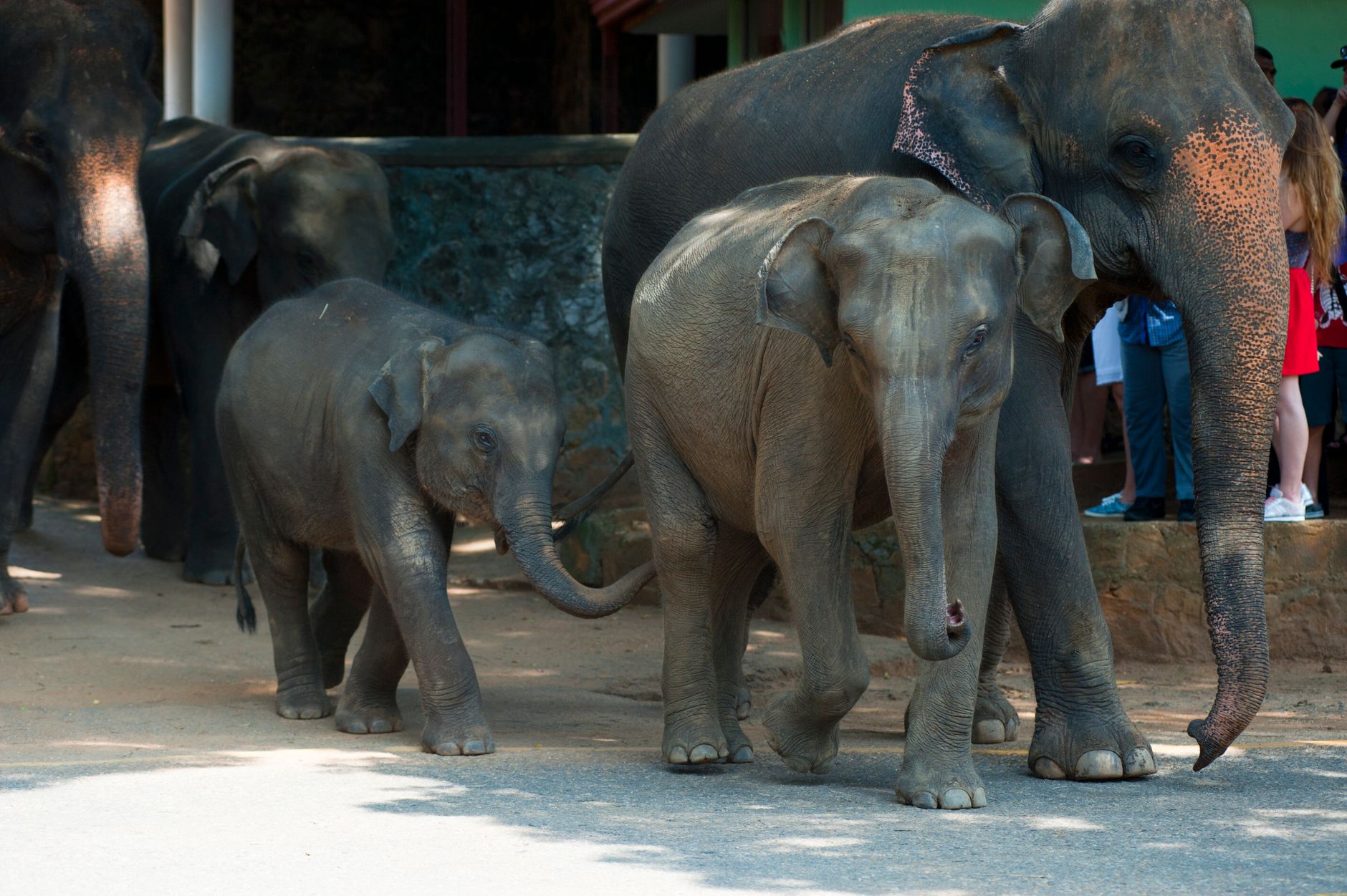
The Eco Tourism Center at Urani operates as a functional wildlife rehabilitation and conservation facility rather than a traditional tourist destination, offering visitors a genuine glimpse into Sri Lanka's environmental protection efforts and the complex work involved in rescuing and rehabilitating native species within their natural habitat contexts.
What exactly is the Eco Tourism Center at Urani?
Urani's centre functions as a live conservation workspace where injured, orphaned, and displaced animals receive medical care and behavioural rehabilitation before eventual release into protected forest areas. Unlike conventional wildlife parks, the facility prioritises animal welfare and ecological integrity over visitor convenience, which shapes the entire experience. The centre works primarily with reptiles, birds, and small mammals native to Sri Lanka's wet zone forests, treating conditions ranging from snare injuries to habitat loss displacement. Staff conduct genuine field work during operating hours, and visitors observe these processes alongside education about Sri Lanka's biodiversity challenges and conservation strategies.
The location itself—situated within forested terrain in the central highlands—reflects the centre's commitment to maintaining animals within ecologically appropriate environments. This geographical choice means the journey to Urani requires planning, and weather conditions directly affect accessibility and animal activity levels.
Related: Alugolla: Sri Lanka's Hidden Waterfall Gem in the Central Highlands
See also: Kanneliya Rainforest: Wildlife, Trails & Visitor Guide
Related: Best places in Sri Lanka for beach hopping
How does the visitor experience differ from typical wildlife attractions?
Visiting Urani demands different expectations than conventional zoo or safari experiences. Guided tours follow the centre's operational schedule rather than visitor convenience, so you'll observe actual rehabilitation work: feeding routines, enclosure maintenance, veterinary assessments. This means shorter viewing windows, less predictable animal visibility, and substantial walking through forest terrain. The educational component carries significant weight—guides explain conservation challenges, legal protections, and reintroduction programmes rather than focusing on entertainment value.
Photography opportunities exist but remain limited by animal welfare considerations; certain areas restrict camera use during sensitive procedures. Group sizes stay deliberately small to minimise stress on recovering animals, making advance booking essential. The experience suits visitors genuinely interested in conservation processes rather than those seeking guaranteed wildlife viewing or comfortable facilities.
What wildlife and conservation work happens at Urani?
The centre primarily rehabilitates reptiles, particularly snakes and monitor lizards affected by human-wildlife conflict, habitat destruction, or illegal collection. Birds recovering from injuries, malnutrition, or stress comprise another significant population. Small mammals including civets and occasionally primates receive care when circumstances allow. Each animal follows individualised rehabilitation protocols designed to restore natural behaviours before forest release.
Conservation work extends beyond individual animal care. Staff conduct habitat research, participate in community education programmes in surrounding villages, and contribute to species distribution studies. The centre functions as a research station, generating data about wildlife populations, human-wildlife conflict patterns, and forest ecosystem health. This documentation informs broader conservation strategies across Sri Lanka's protected areas.
The facility also operates as an education centre for local communities, addressing human-wildlife coexistence through practical training and awareness campaigns. This community engagement represents crucial conservation work, as local support determines long-term species survival prospects.
When should you visit, and what preparation is necessary?
The wet season (May to September) brings vehicle access challenges and lower animal activity, though the landscape reaches peak verdancy and bird diversity increases. The drier months (December to March) offer better accessibility and clearer viewing conditions, though heat stress affects some animals. Shoulder months (April, October to November) balance these factors reasonably well.
Physical preparation matters significantly—expect substantial uphill walking through uneven forest terrain, potentially muddy paths, and limited shade. Sturdy footwear, insect repellent, and sun protection prove essential. Allow 3–4 hours minimum for a meaningful visit; rushed trips diminish the educational experience. Advance booking through the centre's contact channels ensures guide availability and appropriate group size management.
Bring water, binoculars for bird observation, and a notebook if you're inclined toward detailed note-taking. The centre typically lacks substantial facilities like cafés or shops, so plan accordingly. Weather changes rapidly in highland areas, so layered clothing accommodates temperature fluctuations.
How does Urani fit within broader Sri Lankan conservation efforts?
The Eco Tourism Center represents one component of Sri Lanka's expanding conservation infrastructure, working alongside government wildlife departments, international NGOs, and community-based initiatives. The centre's focus on live rehabilitation distinguishes it from purely research facilities, creating tangible education opportunities. Revenue from responsible tourism supports ongoing rehabilitation work, creating economic incentive for conservation that benefits local communities.
Urani's location in the central highlands places it within critical biodiversity zones containing endemic species found nowhere else globally. This geographical positioning makes the centre's work particularly significant for species-specific protection efforts. The facility demonstrates that tourism can support genuine conservation when designed around environmental imperatives rather than visitor expectations.
Visitors to Urani contribute directly to conservation outcomes through entrance fees, and more importantly, through the awareness and understanding they develop about Sri Lanka's complex environmental challenges. This educational impact extends beyond individual visitors, as people share experiences and knowledge within their networks.
Practical considerations for planning your visit
Reach Urani via the central highlands, typically accessed through /kandy or /nuwara-eliya depending on your broader itinerary. Roads wind through tea plantation country and forest reserves, requiring 2–3 hours' driving from main towns. Consider timing your visit within a broader highlands circuit rather than as a standalone destination.
Budget accommodation exists in surrounding villages, though options remain limited compared to main tourist areas. This remoteness intentionally preserves the centre's conservation-focused character. Local guesthouses provide authentic highland community experiences and often offer insights into agricultural practices and local biodiversity awareness.
Tours operate most reliably with advance arrangements; spontaneous arrivals risk finding guides unavailable or group sizes already at capacity. Contact the centre directly through established channels well before your intended visit date. English-speaking guides typically available, though confirmation prevents disappointment.
Respect the centre's operational priorities—staff focus on animal welfare first, visitor experience second. Flexibility regarding what you'll see, how long observations last, and where you can access proves essential for a satisfying visit. The reward for this flexibility is genuine insight into Sri Lankan conservation work and animal rehabilitation that conventional tourism rarely offers.
FAQ
Can I visit Urani without a guide? Guided visits are mandatory. Guides provide essential context about individual animals, rehabilitation processes, and conservation significance. Self-guided wandering disrupts centre operations and stresses animals.
Are there guaranteed animal sightings? No. This is a working rehabilitation facility, not a display centre. Animals may be resting, receiving treatment, or in areas temporarily closed for medical procedures. Conservation takes absolute priority over visitor sightings.
What's the best time to see active animals? Early morning visits (if available) typically coincide with feeding routines and animal activity peaks. Afternoon sessions sometimes feature less visible animals due to heat and rest periods. Discuss timing with the centre when booking.
How physically demanding is a typical visit? Moderately challenging. Expect 2–3 hours of walking on forest paths with elevation changes, potentially muddy terrain, and uneven surfaces. Those with significant mobility limitations should discuss accessibility options when contacting the centre in advance.