Best places in Sri Lanka for beach hopping
Sri Lanka's compact geography makes it ideal for moving between beaches within a single trip, discovering different atmospheres and local communities along the way. The southern coast offers the most cohesive beach-hopping route, where you can spend mornings on one stretch of sand and reach another by midday. The journey itself matters as much as the destinations—you'll pass through small towns, observe fishing nets being hauled in, and stop for fresh crab curry in village restaurants that don't advertise themselves to tourists.
What makes the southern coast ideal for beach hopping?
The A2 highway runs close to the southern shore between Galle and Matara, making it straightforward to travel between beaches by tuk-tuk, bus, or hired vehicle. The stretch covers roughly 50 kilometres and includes a mix of established beach towns and quieter coves, all distinct enough to warrant separate visits. The dry season (November to April) offers the most reliable conditions for this region, though you'll encounter larger crowds during peak months. Most journeys between beaches take 30 minutes to 90 minutes depending on traffic and your starting point.
Which beaches should you include in your route?
Mirissa functions as the anchor point for many visitors—it's where most beach hoppers start or end their circuit. The beach itself is relatively small and crescent-shaped, backed by development that ranges from budget guesthouses to mid-range establishments. The atmosphere here leans sociable, with restaurants, bars, and a noticeable backpacker presence. Sunset is genuinely striking here, and numerous boats depart early morning for whale watching (December to April). Stay one night here to experience the social side, then move on to quieter alternatives.
Related: Best Places in Sri Lanka for Wildlife Safari
See also: Kanneliya Rainforest: Wildlife, Trails & Visitor Guide
See also: Gal Oya Hotels: Where to Stay in Sri Lanka's Wildlife Sanctuary
Unawatuna, roughly 20 kilometres west, represents the established beach resort experience—a sheltered bay with golden sand, a coastal coral reef visible from shore, and abundant dining and activity options. The beach can feel crowded during high season, but the reef snorkelling is accessible and worthwhile. The town has developed substantially over the past decade, so expect more infrastructure and less village atmosphere than neighbouring beaches. This is your practical hub if you need supplies, money exchange, or reliable Wi-Fi.
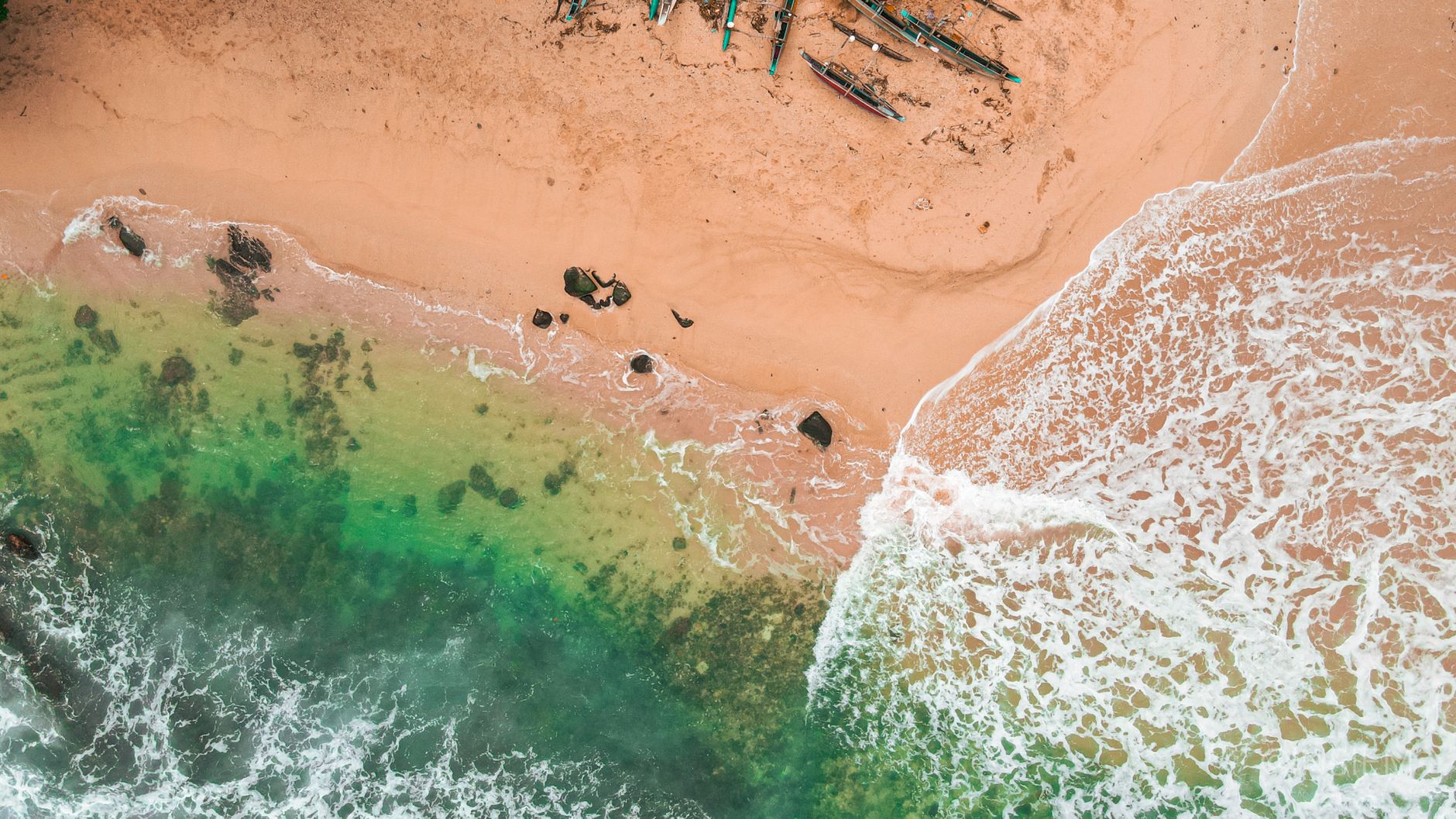
Talalla, positioned between Mirissa and Matara, feels markedly quieter than its neighbours despite being only 15 minutes by tuk-tuk from Mirissa. The beach is wider here, backed by a fishing village where you'll see traditional outrigger boats and nets being mended. A handful of modest guesthouses operate near the beach, but Talalla works better as a day trip or overnight escape rather than a multi-night base. The absence of commercial beach bars is intentional—this is where locals still swim and dry their catch.
Matara's central beach (near the town's main thoroughfare) differs from the quieter coves nearby; it's urban, pragmatic, and less visually dramatic than western alternatives. However, Matara itself merits a stop for its historic fort, colourful market, and genuine local commerce. The beach here is functional rather than scenic, making it less essential unless you're using Matara as a transport hub. The town's restaurants serve excellent seafood at fraction of Mirissa's prices.
Polhena, just east of Matara, offers the beach scenery Matara's central strand lacks—a small rocky-edged bay with a fishing temple, calm waters, and virtually no commercial presence. Swimming here is safe and the light here in late afternoon is soft and golden. You can reach Polhena by tuk-tuk from Matara town centre in five minutes, making it an easy half-day stop.
Dondra Head marks the southern tip and offers different appeal—dramatic rocky cliffs, a functioning lighthouse, and a working fishing port rather than a conventional beach. The settlement around Dondra is industrial and weathered; you come here for the sense of arriving somewhere geographically significant and for seafood restaurants that have served fishing crews for decades. Swimming options are limited, but the landscape is striking.
Should you explore the east coast instead?
The east-facing beaches (Arugambe, Mirissa's quieter twin, down to Tangalle) present a separate circuit better visited April to September when the southwest monsoon makes the southern coast choppy. Arugambe is known for its long sandy beach, powerful waves attracting surfers, and the nearby Hikkaduwa reef. Tangalle sits further south, offering spacious beaches and a working port atmosphere without Mirissa's tourist overlay. These beaches are less immediately connected than the southern route, requiring longer travel times between stops, so reserve them for a dedicated east-coast itinerary rather than mixing them with the southern circuit.
What's the best pace for beach hopping?
Spend one to two nights at each location rather than passing through in a single day. This rhythm allows you to experience morning light, local routines, and how each beach transforms as evening approaches. A week-long itinerary might include: two nights in Mirissa, one in Talalla, two in Unawatuna, and one in Matara or Polhena. This gives you time to actually swim, eat at different restaurants, and chat with people without rushing. The journey between beaches—whether by tuk-tuk observing how communities operate inland from the coast, or by bus sitting with locals—is part of the experience, not merely transport.
What practical considerations matter?
Bringing your own swimming clothes, water shoes, and sunscreen is essential; quality varies significantly in beach towns. Eating near fishing beaches at midday gives you the freshest seafood at local prices—ask at your accommodation where fishermen eat. The southern coast has consistent mobile coverage and ATMs in Mirissa, Unawatuna, and Matara, so plan cash withdrawals accordingly. Learn to haggle gently when arranging tuk-tuks; many drivers quote inflated rates to tourists, and a kind but clear negotiation results in fair prices. Most beaches have strong currents or shallow rocky sections—always ask locals where swimming is safe before entering water you don't know.
Related guides: Read more about the Mirissa and southern coast region and explore best time to visit the south coast to plan around weather patterns.
FAQ
How do I travel between beaches without a private vehicle? Local buses and tuk-tuks connect these beaches regularly. Buses are cheapest (50–150 rupees typically) but run on local schedules; tuk-tuks offer flexibility and cost £1–3 per journey depending on distance and season. Most hotels can help arrange reliable drivers.
Which season is best for beach hopping on the south coast? November to April offers calm seas and reliable sunshine, though January–February brings peak crowds and higher prices. May to October works if you prefer quieter beaches and accept occasional rain; the sea becomes choppy but swimmable.
Can I see different sides of Sri Lankan culture beach hopping here? Yes. You'll encounter fishing communities, temple culture, agricultural inland areas during tuk-tuk journeys, and everything from backpacker socialising to local family beach outings. Each beach town has distinct economic priorities—some rely on tourism, others on fishing.
How many beaches can I realistically visit in one week? Five to six distinct beaches are manageable without exhausting yourself; this allows proper time at each rather than just photographs. Any more than six creates a ticking-box mentality that misses why each beach exists separately from the others.