Wild Glamping at Gal Oya: What to Expect & Cost
Wild glamping at Gal Oya offers safari-tent accommodation on Sri Lanka's biggest lake. Expect canvas structures, wildlife spotting, and prices £80–140 per night. It's mid-range adventure camping, not luxury—but substantially cheaper than five-star resorts whilst offering authentic jungle immersion.
What Is Wild Glamping at Gal Oya?
Gal Oya Lake, in the east-central highlands, covers 62 square kilometres. The glamping site operates safari-style tents pitched on the water's edge or nearby clearings. Accommodation sits between camping and hotel stays: canvas walls, proper beds, electricity, running water—no five-star finishes.
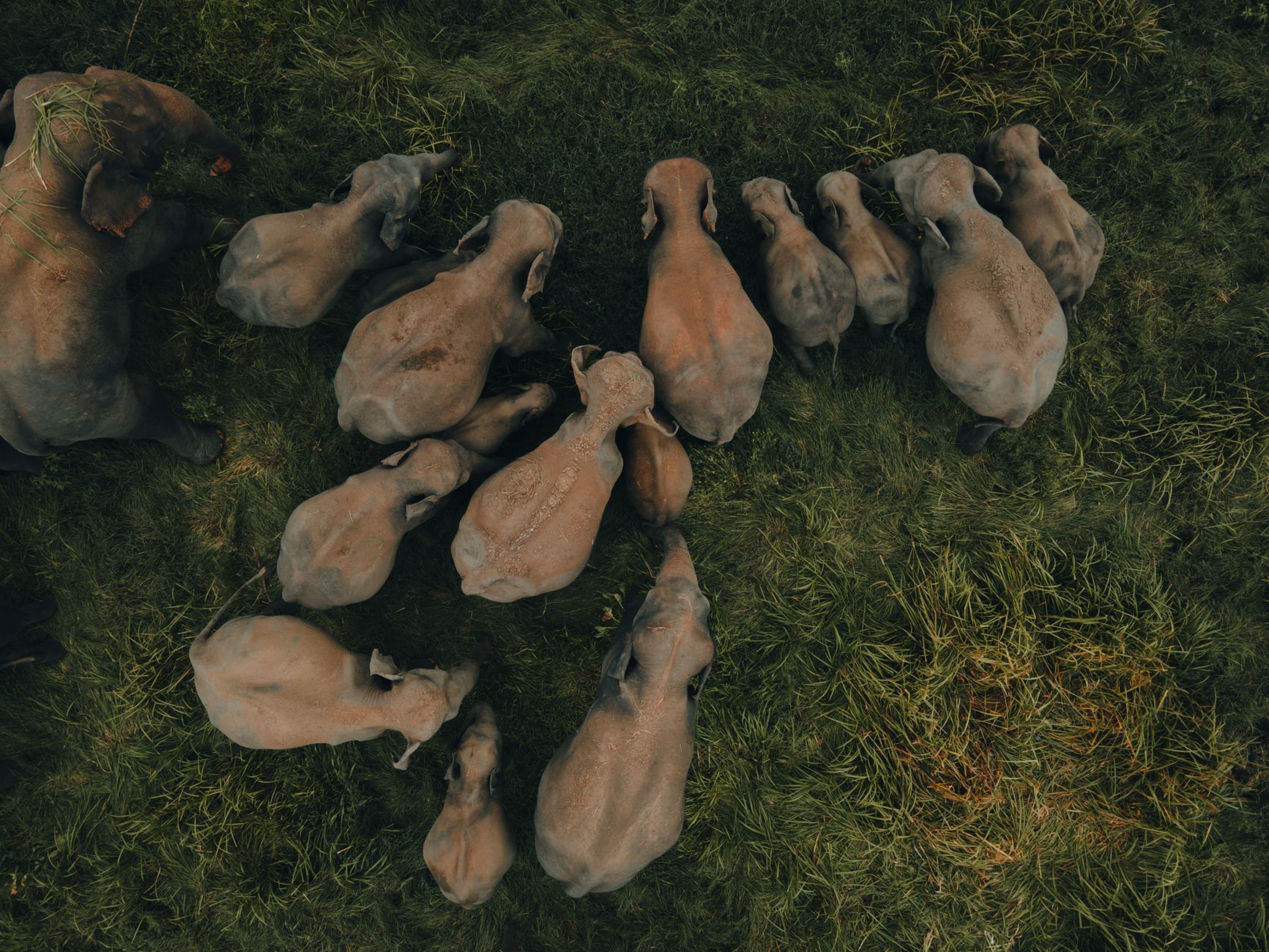
The reserve adjoins Gal Oya National Park (renamed Gal Oya Wildlife Sanctuary in 2024). Leopards, sloth bears, wild elephants, and sambar deer roam the surrounding forest. Birdwatchers find over 200 recorded species.
Related: Gal Oya Wild Glamping: What to Expect in Sri Lanka's Hidden Park
Related: Mirissa with Family: What Works and What to Skip
Related: Hikkaduwa Hotels: Where to Stay on Sri Lanka's Beach Town
Accommodation Standards
Tents sleep 2–4 people. Standard features include:
- Raised wooden platforms with canvas walls
- Ceiling fans or basic cooling
- Attached en-suite bathroom (shower, toilet, sink)
- Charged lighting (solar or generator)
- No air-conditioning on budget tents
Deluxe tents add air-con, larger bathrooms, and superior bedding. Basic versions cut costs to roughly £80–95 nightly; deluxe reaches £120–140.
Breakfast and packed lunch typically cost £12–18 extra per person. Dinner adds £15–22. All-inclusive packages (bed, three meals, guided activity) run £140–180 per person daily.
Wildlife & Activity Options
Boat safaris on the lake last 3–4 hours. Guides navigate reed channels spotting elephants at water holes, crocodiles, water monitors, and migratory birds. Cost: £25–40 per person (group dependent). Early morning (5:30–8:30 am) yields best sightings.
Forest walks range from easy nature trails (1–2 hours, £10–15) to full-day treks (6–8 hours, £35–50). Encounters with elephants and bears are rare but possible; leopard sightings extremely unlikely despite their presence.
Birdwatching appeals to specialists. Half-day guided sessions (£20–30) target specific species. December–April peak migration season attracts keen birders.
Costs Broken Down
Per-night accommodation:
- Budget tent: £80–95
- Standard tent: £100–115
- Deluxe tent: £120–140
Meals (daily):
- Breakfast: £6–8
- Packed lunch: £8–10
- Dinner: £15–22
Activities:
- Boat safari: £25–40
- Half-day forest walk: £10–15
- Full-day trek: £35–50
- Birdwatching guide (half-day): £20–30
All-inclusive 3-night package example: Two people, mid-range tent, three meals daily, one boat safari, one forest walk = approximately £550–650 total (£275–325 per person).
Comparison: A three-star hotel in nearby Batticaloa town charges £40–60 nightly but offers no wildlife access. A five-star resort in Kandy (2 hours away) costs £150–250 nightly without dedicated safari activity.
How to Get There
Gal Oya sits 4 km north of Inginiyagala village, roughly 50 km south of Batticaloa town. Road access requires a 4WD vehicle during rainy season (October–November, April–May); standard vehicles manage during dry months.
By road from Colombo: 240 km east via A6 highway. Drive time: 5–6 hours. Hire a jeep with driver (£40–60 daily) or join a guided tour operator departing Colombo (£180–280 for 2–3 days including transport, tent, meals, safaris).
By air: Fly to Batticaloa Airport (no commercial service as of 2026). Charter flights available from Colombo (£800+ return, split among groups).
Public transport: Buses from Colombo to Batticaloa (5–6 hours, £8–12), then hire a tuktuk/taxi for the final hour (£15–25). Practical only for patient travellers.
Best Time to Visit
Dry season (May–September): Warmest, clearest visibility. Lake levels moderate; wildlife concentrates at remaining water holes. Crowd levels low mid-week. Boat safaris run daily.
Monsoon (October–November, April–May): Heavy rain, forest muddy, access difficult. Road deteriorates; 4WD essential. Wildlife disperses; sightings drop. Not recommended unless you're flexible.
Migration season (December–April): Birds abundant. Temperatures mild. Best overall combination of wildlife and accessibility.
Glamping vs. Standard Hotels: Value Assessment
Glamping advantage:
- Lake-front immersion
- Included wildlife safaris and guides
- Lower total cost for 3+ nights with meals
- Unique experience; memorable for returning visitors
Glamping drawback:
- Canvas walls (noise carries)
- Shared facilities if budget option
- Dependent on weather; wind, rain can disrupt comfort
- Limited hot-water systems
- No wi-fi or phone signal reliability
Standard hotel advantage:
- Air-conditioning, privacy, quieter
- Reliable utilities and services
- Flexibility to plan activities independently
- Better for travellers uncomfortable roughing it
Standard hotel drawback:
- Located in towns, 45+ min from wildlife zones
- Wildlife viewing requires separate booking and transport cost
- Less character; generic accommodation
Practical Tips
Book ahead: Peak season (December–March) often sells out 4–6 weeks early, especially weekends. Email or phone 2–3 months in advance.
Bring insect repellent: Mosquitoes and leeches present year-round. DEET-based spray (20%+) essential; available in Batticaloa if forgotten.
Request tent placement: Ask for elevated or breeze-exposed tents to reduce humidity and insect activity.
Pack layers: Mornings (5–7 am) cool (16–18°C); afternoons hot (28–32°C). Bring a light fleece and quick-dry trousers.
Hire a knowledgeable guide: Locally-hired guides (£15–25 daily) outperform generic operators. Ask accommodation to recommend specific names.
Plan a 2–3 night minimum: One night feels rushed; activities and travel logistics consume most time. Three nights allows relaxed pacing and two full safari days.
Getting More Information
For deeper context on the region, explore Batticaloa and nearby /ella for comparisons on east-central Sri Lanka glamping options. Check local tour operator reviews on TripAdvisor and Google Maps before booking; ratings vary widely (3–4.8 stars).
FAQs: Wild Glamping at Gal Oya
Are tents safe during storms? Safari tents are anchored securely and built for monsoon regions, but heavy wind can shake them. October–November and April–May see occasional violent squalls. Check weather forecasts before travel; opt for rainy-season cover if booking during these months.
Can I see leopards? Leopards inhabit Gal Oya but are nocturnal and reclusive. Sightings extremely rare (fewer than 1 in 100 visitor trips). Elephants, bears, and crocodiles far more likely. If leopard viewing is your sole goal, manage expectations or book a specialist nocturnal safari (available but risky and exhausting).
Is the food good quality? Meals are basic but fresh: curries, rice, vegetables, fruit, breads. Limited vegetarian/vegan options; inform accommodation in advance. Food hygiene standards vary by operator. Stomach upsets occasional for tourists unaccustomed to spice or food handling practices. Bring oral rehydration salts and imodium as backup.
What if I'm claustrophobic or uncomfortable with canvas structures? Glamping isn't suitable. Book a hotel in Batticaloa or Kandy instead. Some private villas near Gal Oya offer solid walls and lake views at similar price points (£100–150 nightly) without the canvas compromise.