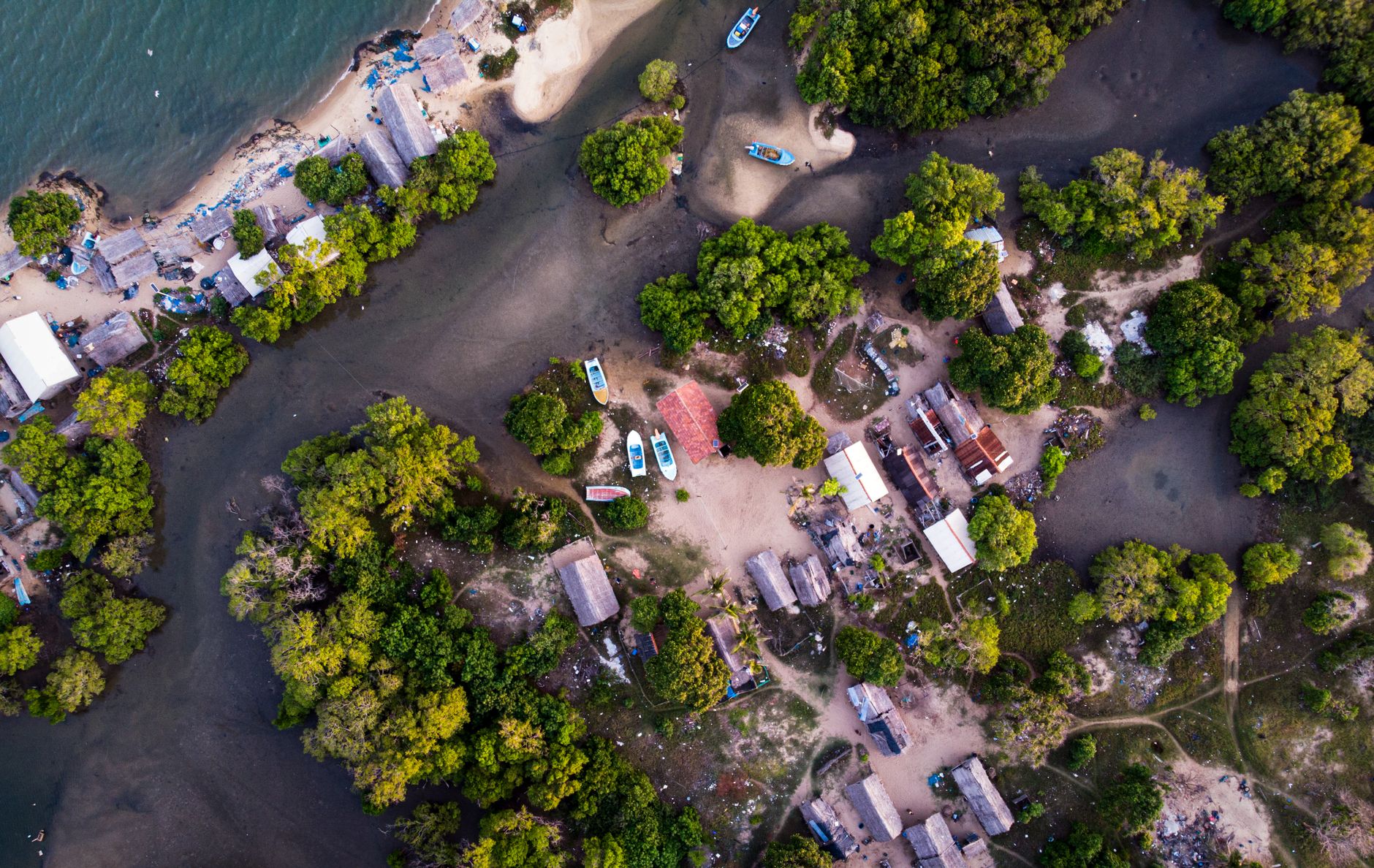
Two days in Arugam Bay is enough to surf the main point break, spot leopards at Kumana, wade through Pottuvil Lagoon at dawn, and still catch a slow sunset rice-and-curry dinner. This tight but honest itinerary tells you exactly where to go, when to go, and where to sleep — no filler.
For broader context on timing your trip, see our Arugam Bay best time to visit guide before you book.
When does Arugam Bay actually make sense to visit?

The surf season runs roughly April through October, peaking June–August when the south-west monsoon drives clean, consistent swells to the east coast. Outside this window, the bay can be flat, several restaurants close, and accommodation rates drop sharply. If wildlife is the priority over waves, late August through October is the sweet spot: the lagoons are low, animals concentrate near water, and Kumana National Park is accessible without the deep mud of earlier months.
Related: Matale in 2 Days: What to See and Where to Stay
See also: Unawatuna in 2 Days: What to See and Where to Stay
See also: Trincomalee in 4 Days: The Complete Itinerary
Day 1: Lagoon dawn, the main point, and the southern breaks

Morning — Pottuvil Lagoon by boat (05:30–08:00)
Set your alarm early. A boat from the lagoon jetty near Pottuvil town takes you into a corridor of mangroves where mugger crocodiles haul out on root systems to warm up in the first light. Purple herons stand motionless in the shallows; occasionally a fishing cat moves along the bank. The session lasts roughly 90 minutes. Bring a layer — the lagoon channels are surprisingly cool before 7 a.m.
Mid-morning — Main Point surf (08:30–12:00)
Arugam Bay's main point break produces long right-handers that roll for 200 metres on a decent swell. It suits intermediate to advanced surfers best; beginners find the crowd and the reef-shelf unforgiving. Rent a board from one of the shacks at the southern end of the main beach — most staff can read the break and will tell you honestly whether the day's conditions match your level. If you're not surfing, watch from the rocky headland where you get a clear side-on view of the wave face.
Afternoon — Elephant Rock and Whisky Point (14:00–17:00)
Hire a tuk-tuk for a half-day and work south. Elephant Rock is a low granite outcrop above the ocean where small troops of toque macaques forage among the scrub — the name comes from an elephant-shaped boulder, not actual elephants, though wild elephants do occasionally cross the road towards the lagoon at dusk a few kilometres further along. Whisky Point, the next break south, is mellower than the main point and better for beginners; the paddle-out is straightforward and the crowd thins noticeably.
Evening — Dinner on the main strip
The strip running parallel to the bay has a handful of kitchens doing proper Sri Lankan rice and curry. Order the cuttlefish if it's on the board — the east coast boats bring it in fresh. Eat early (by 19:00) if you want a table without waiting.
Day 2: Kumana National Park and a slower afternoon

Early morning — Kumana safari (05:30–10:00)
Kumana (formerly Yala East) sits 40 kilometres south of Arugam Bay. The drive takes around an hour on a partly paved, partly gravel road, so arrange a jeep the evening before — your guesthouse can sort this. The park has a resident leopard population, but sightings are not guaranteed; the shallow tank near the park entrance is your best bet in the early hours when leopards come down to drink. Kumana is also one of Sri Lanka's most important bird sanctuaries — the vast tank attracts painted storks, lesser adjutants, and black-necked storks in numbers you won't see elsewhere on the island.
Late morning — Crocodile Rock and Peanut Farm
On the return, ask your driver to stop at Crocodile Rock, a surf break named for the estuarine crocodiles that occasionally emerge on the sand. The wave here is fast and hollow, suited to experienced surfers only. Peanut Farm, a few minutes north, is flatter and more forgiving — an ideal learner spot if you haven't surfed yet on the trip.
Afternoon and evening — Slow down
Arugam Bay's pace deliberately resists over-scheduling. Use the afternoon to swim at the northern end of the main beach (calmer water, fewer surfers), pick up a batik from one of the small art stalls near the junction, or simply sit with a king coconut and watch the surf. The light turns gold around 17:30 and the bay faces west enough to give a decent sunset view from the water's edge.
Where to stay: honest recommendations by budget
Best-rated overall: The Spice Trail Hotel holds a remarkable 9.5/10 from 26 reviews — the highest score on the bay. Small, thoughtfully run, and close to the action without being noisy.
Top surf-focused pick: Surf Gangs Hotel scores 9.0/10 and draws a crowd that's actually in the water, not just talking about it. Staff track daily swell reports.
Luxury options: Jetwing Kottukal Beach House (8.9/10, 5 stars) sits slightly removed from the main strip on a quieter stretch of coast — better for wildlife and privacy. Jetwing Surf & Safari, A Luxury Reserve (8.5/10) pairs beach access with organised safari departures to Kumana.
Mid-range comfort: Beach View Hotel leads the three-star category with 8.7/10 from 104 reviews — a solid sample size. ArugamBay PodBay (8.3/10) suits solo travellers and those who'd rather spend money on jeep hire than a private room. The Blue Wave Hotel (8.1/10, 4 stars) offers a step up in space and facilities.
Budget: Relax Beach Arugambay (7.8/10) and Paper Moon Kudils (7.9/10) keep costs low without sitting well below average on guest satisfaction. Arugambay Roccos (7.4/10) is the most affordable tier but shows in the reviews — functional, nothing more.
For a fuller picture of the region, visit our Arugam Bay destination page.
FAQ
Can I do Kumana National Park as a day trip from Arugam Bay?
Yes. The drive is roughly one hour each way. Arrange a jeep with your accommodation the evening before; most guesthouses have reliable contacts. Budget at least four hours inside the park for a realistic chance of wildlife sightings.
Is two days enough for Arugam Bay?
For a first visit, two full days covers the essential experiences — lagoon, main point surf break, at least one southern break, and a Kumana morning. A third day lets you slow down, try different breaks, or add a longer ride north to Pottuvil town.
Do I need to surf to enjoy Arugam Bay?
No. The lagoon boat trips, Kumana safari, tuk-tuk runs to the southern points, and the general beach pace make it a genuinely enjoyable stop even if you never touch a board. That said, even a single beginner lesson at Peanut Farm adds a lot to the visit.
How do I get to Arugam Bay from Ella or Kandy?
From Ella, the most common route is a shared taxi or private car via Wellawaya and Monaragala — roughly four to five hours depending on road conditions. From Kandy, allow seven to eight hours. There is no direct rail link to Arugam Bay; the nearest station is Colombo-side, so road transfer is the practical option for most visitors.