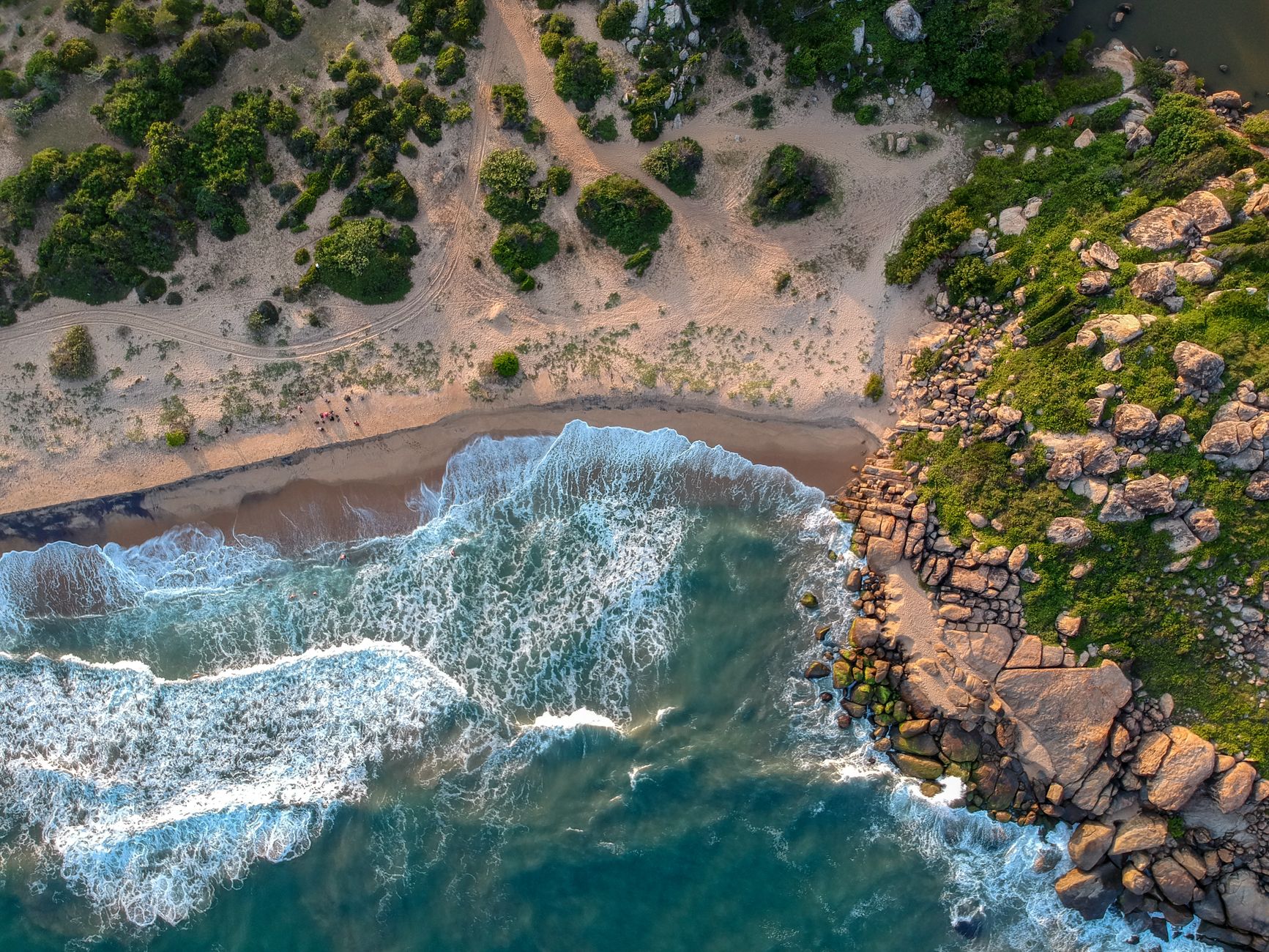
Arugambe: A Guide to Sri Lanka's East Coast Surf Town
Arugambe sits roughly 320 kilometres east of Colombo on Sri Lanka's east coast, a place where the Indian Ocean delivers consistent swell, a quiet lagoon holds wading birds and crocodiles, and the rhythm of daily life moves at the pace of tides rather than timetables. Unlike the heavily developed west coast, Arugambe remains deliberately unhurried—a settlement built more for people wanting to stay a while than pass through in an afternoon. The town itself is modest: a sandy main road lined with beach huts, small restaurants, and board repair shops, with the lagoon tucked behind and the beach just beyond.
This is not a place of grand hotels or organised tours. Instead, it's a working fishing village that has organically absorbed a community of surfers, backpackers, and a handful of long-term residents who value peace over polish. The draw is straightforward: offshore winds, a reef break that works year-round, access to genuine lagoon exploration, and an island's worth of cultural and natural experience compressed into a very walkable area.
What makes Arugambe different from other Sri Lankan beaches?
Arugambe's appeal lies in what it doesn't have. There are no nightclubs, no brand-name resorts dominating the skyline, no significant commercial fishing fleet. What exists instead is a compact, low-rise community where the rhythm is genuinely local. The lagoon—a saltwater system separated from the ocean by a natural barrier—supports a diverse ecosystem: migratory wading birds arrive seasonally, monitor lizards and crocodiles inhabit the quieter channels, and fishing boats work the water in early mornings. Unlike Mirissa or Unawatuna to the south, there's no pervasive party culture or aggressive touts. The travellers here tend to be serious about their interests: surfers commit to multi-week sessions, birders arrive with binoculars and field guides, and those seeking solitude come for the genuine silence.
Related: Arugam Bay, Sri Lanka: Surfing, Lagoon Walks & East Coast Travel Guide
See also: Kanneliya Rainforest: Wildlife, Trails & Visitor Guide
See also: Kandy to Ella Train Tickets: Routes, Prices & How to Book
The landscape itself differs too. Rather than the lush, forested hills of the interior or the dramatic cliffs of the south coast, Arugambe is characterised by open sandy areas, scrubby vegetation adapted to salt spray, and a very direct relationship with the ocean. The light here has a particular quality—bright and slightly harsh in afternoon hours, but soft and dramatic during the frequent early morning fog that rolls inland from the water.
When is the best time to visit Arugambe?
Arugambe works year-round for different reasons, but timing matters significantly depending on your priorities. From May to September, the southwest monsoon generates consistent, powerful swell that makes this the prime surfing season; the winds blow offshore, creating clean wave faces, and the water is warm and swimmable. This period sees the most international visitors, the greatest number of functioning guest houses and restaurants, and the most active social scene. However, it also brings intermittent rain and a noticeably busier atmosphere.
From October to April, the northeast monsoon takes over, bringing lighter swell, more settled weather, and fewer tourists. Birding improves markedly from November through March, when migratory species arrive. The lagoon becomes more consistently visitable, and the town feels emptier—something some travellers prefer and others find isolating. Prices drop, staff are more relaxed, and it's easier to secure long-term accommodation.
March to April represents a genuinely pleasant middle ground: warm, mostly dry, light swell for beginners or intermediate surfers, and manageable crowds. The monsoon shift in May/June can be abrupt, so if you're planning around weather, visiting in late April or early September gives you clear conditions before or just as the swell begins building.
What can you actually do in and around Arugambe?
Surfing is the obvious draw. The main break works on an east-south-east swell and produces a hollow, fast-moving right-hander that rewards patience and technique; it's intermediate to advanced, though smaller days during the northeast monsoon season suit beginners. Several local instructors and board-hire operators work from the beach; expect to pay modest rates compared to tourist-heavy spots further south. The break is forgiving in that way—it filters down to serious practitioners while remaining technically interesting.
Lagoon exploration happens by boat or on foot, depending on water levels and your mobility. Early morning trips into the system often yield sightings of painted storks, purple herons, and fish eagles; during drier months, channels become shallower and easier to navigate. The lagoon is home to saltwater crocodiles, so you're viewing from the boat, not wading. This experience is genuinely local and unpolished—boats are basic fishing vessels commandeered for tourists by arrangement, not sleek tour operators.
The beach itself, despite being known for waves, has long stretches of walkable sand where you can move north or south and encounter very few people. Sunrise walks are particularly atmospheric, with fishing boats returning and the light still soft. Some people simply come to read, write, or sit with a cup of tea watching the water.
Cultural engagement tends to be organic rather than organised. The town has a Buddhist temple with an active local community; visiting respectfully during morning alms rounds gives genuine insight into daily religious life. Fishing interactions happen naturally—chat with crews preparing nets, ask questions, and you'll often be invited to help, shown techniques, or offered tea. This isn't performance; it's how people work.
Food in Arugambe centres on fish, rice, and seasonal vegetables. The small restaurants lining the main road cook fresh catches—kingfish, tuna, barracuda—to order, often simply grilled with chilli and lime. Curries are milder than inland Sri Lankan cooking, reflecting both local preference and the many Western visitors. Breakfasts lean towards hoppers, kottu roti, and fruit. There's nothing particularly sophisticated here, but the combination of freshness and simplicity makes meals genuinely satisfying. Many long-stay visitors cook for themselves, and small shops stock basics.
How do you get to Arugambe?
The town sits between Batticaloa and Trincomalee on the A4 highway. From Colombo, the journey is roughly six to seven hours by car or tuk-tuk, heading east through the central highlands and down towards the coast. Alternatively, you can travel via Kandy, though the route is similar in duration. Public buses connect to nearby Batticaloa, which has better transport links; from there, local buses or tuk-tuks cover the final 20-odd kilometres to Arugambe. The road is reasonable but not particularly fast, and the journey itself becomes part of the experience—moving through gradual changes in landscape and vegetation as you travel east.
Once in Arugambe, everything is walkable. There are no motorised taxis or formal transport within the settlement; you move on foot or arrange boat trips through your accommodation.
What should you know before going?
Arugambe requires a certain mindset. There are no ATMs, so bring cash from Batticaloa or further afield. Mobile network coverage is intermittent. Healthcare is basic; any serious medical issue requires travel to Batticaloa or beyond. The settlement has experienced significant conflict during Sri Lanka's civil war, and whilst it is now safe and welcoming, the history shapes the community's character—you may encounter people with complex relationships to tourism and outsiders, handled best with genuine respect and curiosity rather than transactional attitudes.
If you're expecting resort-style comfort, organised activities, or a vibrant evening scene, you'll be disappointed. If you value quiet, genuine connection to place and people, reliable surf, and the particular satisfaction of a life that moves with natural rhythms, you'll understand why people keep returning.
For more on east coast travel, explore /trincomalee/best-time-to-visit and /batticaloa for regional context.
FAQ
Is Arugambe safe for solo travellers? Yes. The town is genuinely welcoming, the community is tight-knit, and petty crime is minimal. Women travelling solo should apply the same practical awareness as elsewhere in Sri Lanka—avoid walking alone very late at night, keep valuables secure—but will find the atmosphere respectful and the social scene open.
Do I need a surfboard to enjoy Arugambe? Not at all. Many visitors come for the lagoon, the peace, the walks, or simply to spend time reading. The break is visible from the beach and town, but Arugambe offers plenty for non-surfers: birdwatching, fishing village culture, photography, and genuine solitude.
What's the accommodation like? Accommodation ranges from very simple beach huts with shared bathrooms to slightly more comfortable guesthouses with private facilities. Standards are modest by international resort measures but clean and functional. Book ahead during the May–September swell season; the rest of the year, you can often arrive and find options available.
How long should I stay? Most surfers plan for two weeks minimum to develop a feel for the break and rhythms of swell. Non-surfers often stay three to five days, using the settlement as a base for lagoon trips and cultural exploration. Some people return year after year and stay for months.