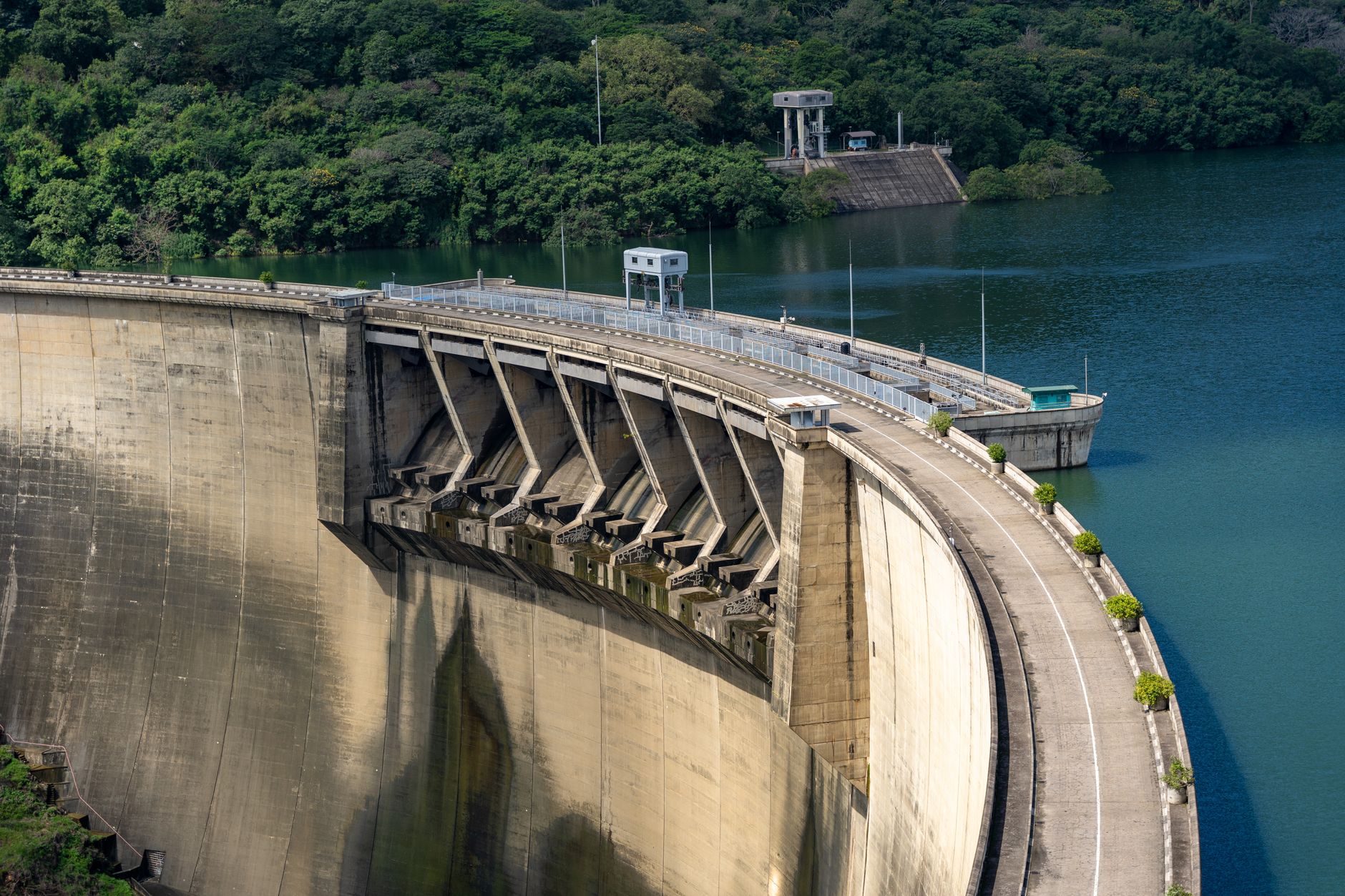
Dehiattakandiya sits at the eastern edge of Uva Province, roughly 50 km from Polonnaruwa, and rewards travellers who stay long enough to learn its rhythms. Four days gives you two full cycles of morning and evening game drives in Maduru Oya, time on the water at Ulhitiya reservoir, and enough quiet afternoons to notice what most day-trippers miss: fishing eagles, painted storks roosting in dead trees, and elephants crossing dry riverbeds in the last hour before dark.
How should you get to Dehiattakandiya?

Most visitors arrive by bus or car from Kandy (roughly 3.5–4 hours via the Mahiyangana road) or from Polonnaruwa (around 1.5 hours southeast). The road through Mahiyangana passes through the Knuckles foothills and is genuinely scenic — a gradient from wet-zone forest to the flat, tank-dotted dry zone that tells you exactly what kind of landscape you're entering. If you're coming from Ella, factor in a full day of travel via Wellawaya and Monaragala — it's worth breaking the journey rather than arriving exhausted.
There's no train station in Dehiattakandiya itself; the nearest railhead is Polonnaruwa.
Related: Hikkaduwa in 4 Days: The Complete Itinerary
See also: Colombo in 2 Days: What to See and Where to Stay
See also: Balangoda in 4 Days: The Complete Itinerary
Day 1: Arrive, orient, evening reservoir circuit
Arrive by early afternoon and check in to Explorer by Eco Team - Maduru Oya National Park, which sits close enough to the park boundary to make dawn departures genuinely easy. Spend the first afternoon doing a slow drive around the Ulhitiya reservoir bund before sunset — no park permit required, and the birdlife here is exceptional. Look for lesser adjutants standing motionless in the shallows, open-billed storks in loose flocks overhead, and the occasional crocodile surfacing near the far bank. The light between 4:30 and 6 pm turns the water copper, and the silhouetted trees along the far shore regularly hold perched cormorants and a resident fish eagle pair.
Keep your expectations calibrated on day one: you're reading the landscape, not ticking a checklist.
Day 2: First full day in Maduru Oya National Park
Maduru Oya is one of the five catchment reservoirs protecting the Mahaweli River system, and the national park wraps around four of those tanks. It's far less visited than Yala or Wilpattu, which means you'll rarely encounter another jeep — but it also means infrastructure is leaner and wildlife can be harder to locate without a good tracker.
Morning drive (5:30–9:30 am): This is the productive window. Elephants move between the forest and the tank edges in the early hours, often in family groups of 8–15. The grass along the Maduru Oya river channel holds sambar, axis deer, and occasionally a solitary sloth bear working a termite mound — sloth bears are most active at dawn and are genuinely possible here, unlike in more heavily trafficked parks. Ask your tracker to work the channel edges rather than the main jeep track.
Midday: Rest at the lodge. The dry-zone afternoon between 11 am and 3 pm is largely unproductive for mammals — animals shelter in thick cover and the heat is considerable.
Evening drive (3:30–6:30 pm): Focus on the reservoir edges as the sun drops. Water monitors, mugger crocodiles, and wading birds are reliable; elephants often return to drink at dusk. Grey junglefowl call loudly from the scrub in the last 20 minutes of light.
Day 3: Deeper into the park, and a different tank
Request that your tracker takes you toward the Rationala reservoir on day three — it's a different habitat zone with denser riparian forest along the inlet streams. Purple-faced leaf monkeys use these trees, and the birdlist expands noticeably: Malabar pied hornbills, Ceylon grey hornbills, and brown fish owls roosting in large fig trees.
If your accommodation can arrange a coracle or small boat on Ulhitiya tank, late morning (after the game drive) is a good time to be on the water. The perspective from water level changes everything — herons that seem small from the bund appear enormous from a low boat, and you're able to approach waterfowl more closely. This is not a high-adrenaline activity; it's meditative, and it rounds out the day well.
Evening: Rather than another formal drive, walk the bund of the Ulhitiya reservoir on foot as the sun sets. The open water to your right, scrub forest to your left, and the absence of an engine means you actually hear the landscape — nightjars beginning to call, the splash of a cormorant landing, the distant trumpeting of an elephant somewhere in the tree line.
Day 4: Final morning drive, then departure
Your last morning follows the same pattern — out by 5:30 am, back by 9:30 am — but bring your full attention. By day four your eye has calibrated to the landscape and you'll notice movement in the treeline that you'd have missed on day one. Elephants are the most reliable large mammal; leopards are present in the park but genuinely rare and sightings are not something to plan around. If you see one, consider it a significant bonus.
Check out after breakfast and allow time for the drive to your next destination. If you're heading onward to the Cultural Triangle, Polonnaruwa is 1.5 hours northwest and makes a logical next stop — its ancient city ruins and Minneriya National Park sit within easy reach. Travellers heading south toward the Hill Country can factor in a stop at Mahiyangana's riverside before continuing toward Ella or Kandy.
How does Maduru Oya compare to other Sri Lankan parks?
Maduru Oya suits travellers who prioritise solitude over guarantee. Compare it honestly:
- Yala (Block I): Far higher leopard density, far more jeep traffic. Better for definite big-cat sightings; worse for a quiet experience.
- Wilpattu: Larger, also quiet, better established infrastructure. Leopard sightings are possible; elephant density lower than Maduru Oya.
- Minneriya/Kaudulla: Famous for elephant gatherings (the Gathering, July–October). If elephant herds are the priority, those parks are the better choice seasonally.
- Maduru Oya: Best for visitors who want genuine wilderness, reliable elephant sightings, good dry-zone birdlife, and no crowds. Sloth bear encounters are more likely here than at most other parks.
The best time to visit the dry zone broadly is between May and September when rainfall is minimal and animals concentrate around remaining water sources — though Dehiattakandiya is driveable year-round.
FAQ
Do I need to book a jeep in advance for Maduru Oya? Yes — jeep availability at Maduru Oya is limited compared to busier parks. Book through your accommodation at least a week ahead, especially between June and August.
Is Dehiattakandiya suitable for children? It works well for children who are comfortable with early starts and patient observation. The game drives are bumpy on dirt tracks, and there are no facilities inside the park itself, so bring water and snacks.
Can I visit Maduru Oya without staying in Dehiattakandiya? Day trips from Polonnaruwa are possible but inefficient — the driving time eats into your park time and you miss the dawn and dusk windows that matter most. Staying locally for at least two nights makes a substantial difference.
What should I pack for the dry zone? Light, neutral-coloured clothing (avoid white and bright colours), high-SPF sunscreen, a wide-brimmed hat, binoculars (8×42 is the practical minimum for birdwatching), and a dust bag for camera equipment. The dry-season tracks throw up significant dust.