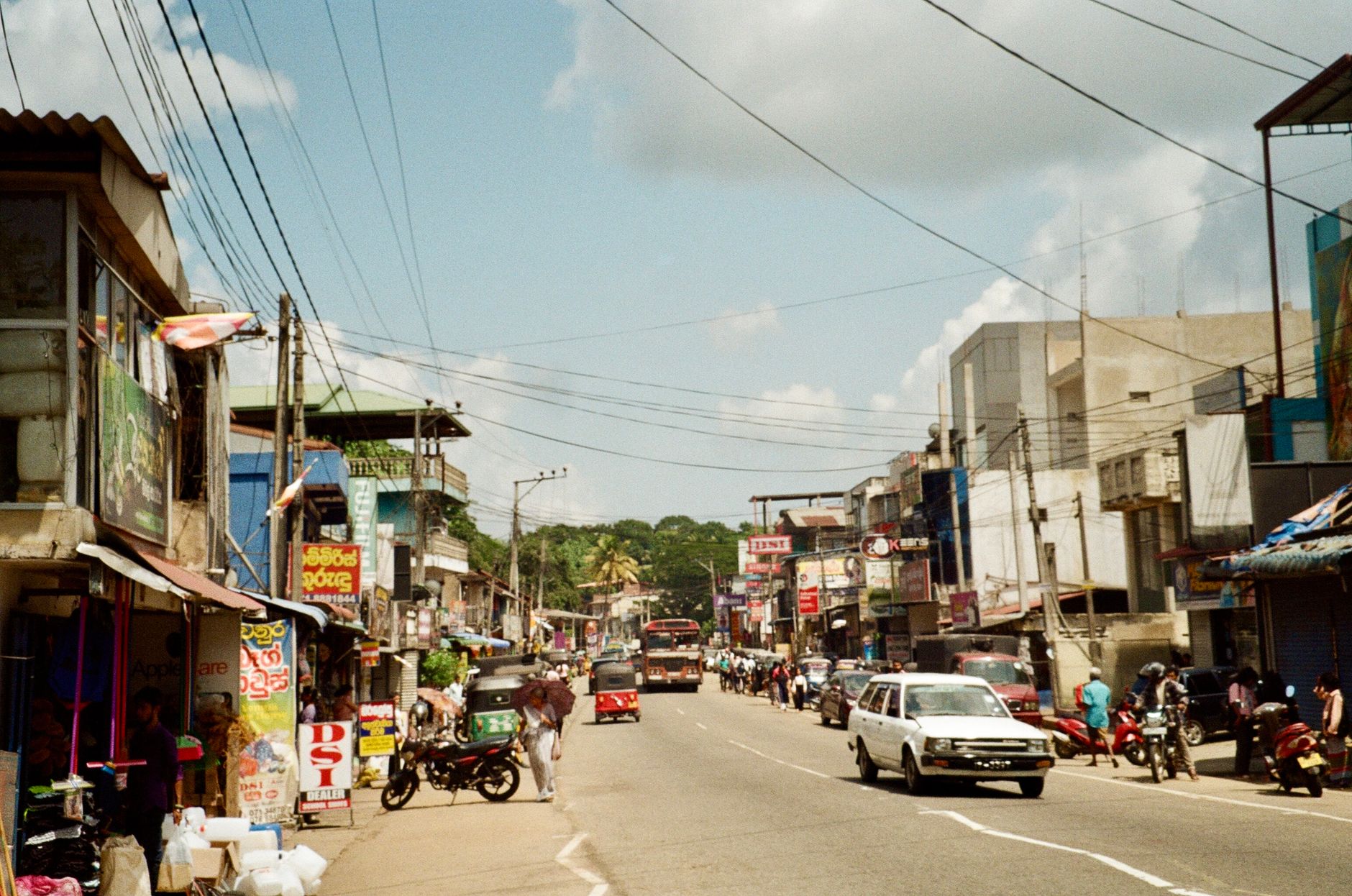
Elpitiya sits at the edge of Sri Lanka's wet zone, roughly 90 km south of Colombo, where rubber estates give way to dense secondary forest and rivers run fast even in the dry months. Four days here gets you into the Sinharaja buffer zone, along proper river trails, and into village life without the blur of a one-night stopover. This itinerary is structured around realistic travel times, actual trail conditions, and the wildlife patterns of the area.
Is Elpitiya worth four full days?

Yes — if you want green, wet, and genuinely off-circuit Sri Lanka. Elpitiya itself is a market town, not a resort destination. Its value is access: to Sinharaja's western approaches, to the Gin Ganga river system, and to a stretch of lowland forest that most visitors miss entirely because they drive straight to Ella or the hill country. Four days lets you go slowly rather than ticking boxes.
What's the best time to visit Elpitiya?

The wet zone around Elpitiya receives rain year-round, but the heaviest falls come between May and July (the south-west monsoon). August — which is now — sits in a relative dry window, with mornings typically clear and afternoon showers possible. Trails in the Sinharaja buffer zone are walkable but muddy year-round; leeches are present from the forest floor upward from around knee height, so tuck trousers into socks regardless of season.
Related: Jaffna in 2 Days: What to See and Where to Stay
See also: Unawatuna in 2 Days: What to See and Where to Stay
Related: Anuradhapura in 2 Days: What to See and Where to Stay
Bird activity peaks in the early morning, roughly 5:45–8:30 am. The endemic Sri Lanka blue magpie, red-faced malkoha, and green-billed coucal are all present in the lowland forest around Elpitiya. Mixed feeding flocks — the clearest sign of forest health — move through between 6 and 9 am.
Day 1: Arrival and river orientation

Arrive by mid-morning — Elpitiya is about 2.5 hours from Colombo by car via the Southern Expressway, or reachable by train to Hikkaduwa followed by a tuk-tuk. Check into your accommodation and spend the afternoon on a short river walk rather than a full forest push.
The Gin Ganga cuts through the lowlands west of town and offers easy walking along its banks. Look for kingfishers (common and stork-billed both occur here), purple herons standing motionless in the shallows, and water monitors moving through riverside scrub. The river is also where locals fish in the late afternoon — a good reason to be out at the same time.
Wild Hikes River Escapes & Nature Views with Meals is a locally run operation that combines accommodation with guided river and forest walks — a practical choice if you want meals and guiding sorted together without coordinating separately.
For a lake-view base with more conventional comfort, Heaven By The Lake holds an 8.0 from four reviews — one of the few rated properties in the area.
Day 2: Sinharaja buffer zone trail
Start before 6 am. The Sinharaja buffer zone is accessible from several points near Elpitiya without needing to pay the full park entrance fee or travel to the main Kudawa entrance. Local guides from the area can take you into secondary forest along trails that follow the park boundary.
The forest here is denser and wetter than the approach roads suggest. Giant squirrels move through the canopy before 8 am. Purple-faced langurs call at dawn. Underfoot, the trail surface changes from compacted earth to root tangles to wet clay depending on recent rain. Walk slowly and stop often — mixed feeding flocks announce themselves with a wave of rustling and calls before you can see them.
For accommodation close to the forest edge, Sinharaja Geo Dome offers eco-friendly glamping in the buffer zone itself — waking up inside the tree line changes your morning entirely. Ududola Rainforest Cottages and Nildiya Cottages are both positioned for early forest access without a long drive.
Return to base by early afternoon. The forest becomes harder to read mid-day; rest, eat, and review what you saw.
Day 3: Village walk and rubber estate exploration
Elpitiya's hinterland is working landscape — rubber smallholdings, tea patches, paddy fields at lower elevations. A morning walk through these areas is completely different from forest walking: open skies, bullock carts on narrow roads, women harvesting latex before the heat rises.
This is also good birding habitat for species that avoid closed canopy: Indian roller, bee-eaters, and shikra hunting over open ground. Cattle egrets follow the working buffaloes.
Afternoon options include visiting the Kande Viharaya temple near Beruwala (about 45 minutes), or staying local and exploring the weekly market in Elpitiya town, which runs on fixed days and trades in local produce, spices, and fish brought up from the coast.
The Secret Garden at Mist of Sinharaja sits in the mist-zone between the lowlands and forest and works well as a base for this kind of day — close enough to town but with forest on the doorstep for the evening light.
Mountain View, Green House, and Red Mangrove round out the local options for different styles of stay; Red Mangrove's name suggests a coastal or wetland position worth confirming on booking.
Day 4: Deeper forest or coastal exit
On your final morning, you have two clean options. If the previous forest days left you wanting more time in the canopy, hire a local guide for a second Sinharaja buffer walk focusing on a different trail — the western approach versus the eastern changes the bird assemblage noticeably.
Alternatively, Elpitiya is 30 km from the coast at Hikkaduwa and Ambalangoda. A half-day at Ambalangoda — known for mask carving workshops and a small but honest fish market — before driving north to Colombo or south toward Galle makes for a satisfying exit that feels continuous rather than abrupt.
Check out by 10 am to give yourself the morning properly before travel.
How does Elpitiya compare to staying in Sinharaja directly?
The main Sinharaja entrances at Kudawa (north) and Deniyaya (south) put you deeper in the park system, but Elpitiya's buffer-zone access is less crowded, cheaper to arrange, and more flexible for multi-day stays. If your goal is core forest biodiversity, Kudawa wins. If you want a mix of forest, river, village, and easy coastal access, Elpitiya is the better base.
For a longer wet-zone itinerary, the area pairs naturally with Sinharaja itself or with the hill country further east.
FAQ
Do I need a guide for the Sinharaja buffer zone trails near Elpitiya? A local guide is strongly recommended. Trails are unmarked, junctions are easy to miss, and a guide improves your chances of finding wildlife significantly — birds in particular respond to experienced spotters who know the feeding flock routes.
Are leeches a serious problem in August? Present but manageable. Tuck trousers into socks, apply salt or tobacco-based repellent to boots, and check every 20 minutes on the trail. They don't cause serious harm but are easier to remove before they attach fully.
Can I reach Elpitiya without a private car? Yes. Trains run from Colombo Fort to Hikkaduwa or Ambalangoda, and tuk-tuks cover the remaining distance to Elpitiya. A rented car or scooter makes day trips to the buffer zone much easier, but it's not essential if you're staying forest-side.
Is four days enough to see Sinharaja properly? Four days gives you two serious forest sessions and two slower days — which is a meaningful introduction. A complete Sinharaja experience would involve more days and multiple trail approaches. Think of this itinerary as a high-quality taster rather than an exhaustive survey.