Hikka Tranz by Cinnamon: What to Know Before You Visit
The Hikka Tranz by Cinnamon is a specialised train service operated by Cinnamon Hotels & Resorts that runs between Hikkaduwa and Galle, hugging Sri Lanka's southwestern coastline. It's designed as an experience rather than a utilitarian commute—think leisurely pacing, curated stops, and attention to passenger comfort. The journey takes roughly 2.5 to 3 hours depending on stops, passing through fishing villages, lagoons, and coconut plantations at a speed that lets you actually see the landscape unfolding. If you're staying in or near Hikkaduwa and want a different way to reach Galle beyond a tuk-tuk or hired car, this service offers that alternative with considerably more atmosphere.
How does Hikka Tranz differ from standard Sri Lankan trains?
Standard Sri Lankan trains are excellent value and genuinely popular with both locals and travellers, but they operate on fixed schedules primarily designed for commuters and goods transport. The Hikka Tranz, by contrast, is a boutique service: it runs a limited timetable (typically just one or two departures daily), offers reserved seating in refurbished vintage-style carriages, and includes curated stops at specific viewpoints or local markets rather than every station along the line. Onboard, you'll find cleaner facilities, fewer crowds, and usually a guide or host providing context about what you're seeing. The trade-off is cost—you'll pay considerably more than a standard train ticket, though still modestly compared to hiring private transport for the same journey. Standard trains are still worth considering if you're budget-conscious or want to see how locals genuinely travel; the Hikka Tranz appeals to those who value comfort, pacing, and a structured experience.
What's the route and what will you actually see?
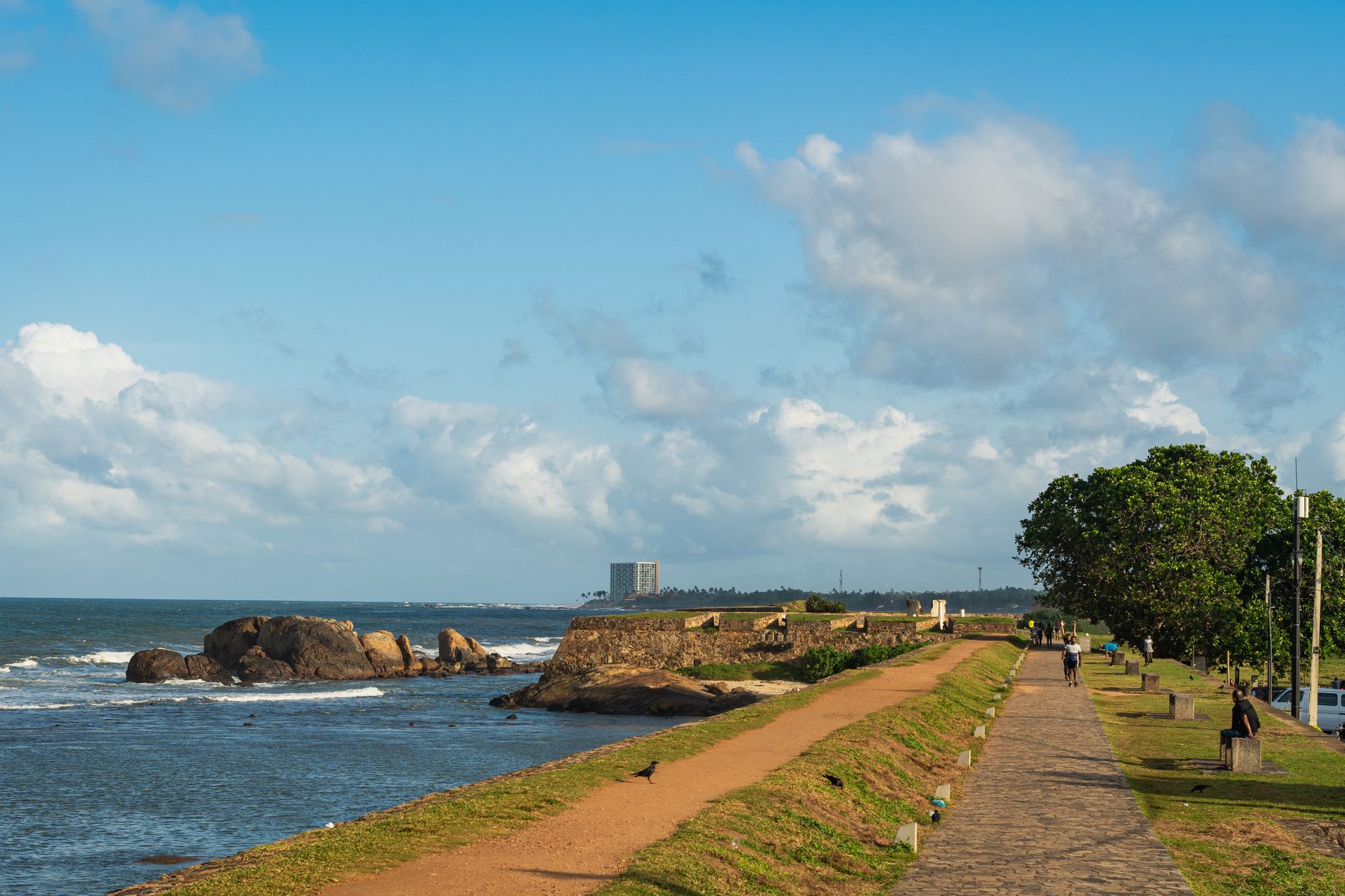
The route follows the coast south from Hikkaduwa to Galle, moving through a sequence of small settlements and natural landscapes that most visitors only glimpse from car windows. Early stretches pass through Hikkaduwa's own beach neighbourhoods and lagoon fringes, where fishing boats are common and the terrain feels lived-in rather than touristic. As you travel south, the track moves closer to the ocean in places, offering genuine sea views—not dramatic cliffs, but genuine glimpses of the Indian Ocean between palms and fishing nets. You'll pass through or near villages like Narigama and Kuruwatta, where daily life continues regardless of passing trains: women selling fruit at platforms, children waving, fishing communities preparing boats. The final approach to Galle involves some industrial areas and port infrastructure before arriving in the historic town itself. The journey isn't wilderness or pristine nature; it's working coastal Sri Lanka, which is genuinely more interesting if you're interested in how people actually live here.
Related: Hotels in Sri Lanka: A Practical Guide to Choosing Where to Stay
See also: Is Kitulgala Worth Visiting? An Honest Take
See also: Is Negombo Worth Visiting? An Honest Take
When should you book, and what are the practical details?
The Hikka Tranz typically operates on a seasonal basis with increased frequency during peak tourist months (December through March and July through August) and reduced or suspended services during monsoon or low-season periods. Booking is essential—this isn't a service where you can simply turn up at the station. Most bookings are made through Cinnamon's website or by contacting hotels directly, though travel agents in Hikkaduwa can also arrange it. Prices (as of 2026) generally fall in the 3,500–5,500 LKR range per person depending on class and whether meals or extras are included, though you should confirm current rates when booking.
Departures usually leave mid-morning or early afternoon, taking roughly 2.5 to 3 hours to reach Galle. Bring water, sunscreen, and a camera; the windows are large and the light is often golden during normal operating hours. If you're prone to motion sickness, take precautions—the track has some curves and the motion is gentle but continuous. Toilets are onboard but can get busy; use facilities before boarding if you're anxious about this. The service is air-conditioned to a degree, though natural ventilation is part of the charm; don't expect a luxury coach experience, but do expect it to be cleaner and more comfortable than a standard train.
Does this journey make sense for your itinerary?
The Hikka Tranz works best if you're staying in Hikkaduwa for at least a night or two and want to visit Galle without driving or using a tuk-tuk—it transforms a straightforward transfer into something more memorable. If you're on a very tight budget or have limited time, a standard train or tuk-tuk is faster and cheaper, though less atmospherically interesting. If you're already familiar with local transport and want to experience it with more comfort and structure, or if you're travelling with older relatives or young children who appreciate a more measured pace, this is genuinely worth considering.
One important caveat: don't expect this to be your main activity for a day. The journey is engaging but not demanding; you might combine it with a morning in Hikkaduwa followed by the afternoon train to Galle, then exploring Galle's old fort and restaurants afterwards. Some visitors book it as part of a larger coastal loop incorporating other train journeys around Sri Lanka.
How does it compare to other coastal experiences?
If you're considering this journey, you might also think about hiring a private driver for the same route (more expensive, completely flexible, but less atmospheric) or taking a standard train (cheaper, more social, but less comfortable and no stops at viewpoints). You could also explore the coast by renting a scooter or tuk-tuk and stopping at beaches and villages independently—this gives you control and is very cheap, but lacks the narrative thread and guided knowledge that the Hikka Tranz provides. The train also lets you relax rather than navigate, which matters if you're tired or unfamiliar with Sri Lankan roads.
Practical tips before you go
Confirm availability several weeks ahead if you're travelling during peak season; slots fill quickly. Wear light, breathable clothing and bring a light scarf or layer—the AC can be vigorous in parts of the carriage. Bring cash in Sri Lankan rupees for any purchases during stops, though onboard services usually accept cards. If you have specific dietary needs, mention them when booking; some services include light snacks or drinks. Arrive at Hikkaduwa station at least 30 minutes before departure—don't assume this works like other trains where late arrivals can sometimes squeeze on. Photography is unrestricted, and the light is usually good; the journey offers plenty of photo opportunities without being intrusive.
For more context on the region, you might explore Hikkaduwa's beaches and local culture or read about best times to visit the southwest coast.
FAQ
Can you do a day trip from Colombo on the Hikka Tranz? Not realistically on the train itself. You'd need to travel to Hikkaduwa first (roughly 2 hours by car or coach from Colombo), board the train, and return. This makes a full day-trip possible but fairly rushed. Most passengers stay in Hikkaduwa or Galle for at least a night.
What happens if the service is cancelled due to weather? Monsoon disruptions or mechanical issues can occasionally suspend service. Cinnamon typically offers rebooking on alternative dates or a refund; confirm their cancellation policy when you book.
Is it suitable for children? Yes. The journey is gentle, the pace is relaxed, and most children find the novelty of train travel engaging. Younger children might get restless after 90 minutes, so bring entertainment.
Can you bring luggage or large bags? Yes, but space is limited. One small bag or backpack per person is reasonable; large suitcases may not fit comfortably. If you're transferring between Hikkaduwa and Galle hotels, confirm luggage policy beforehand.