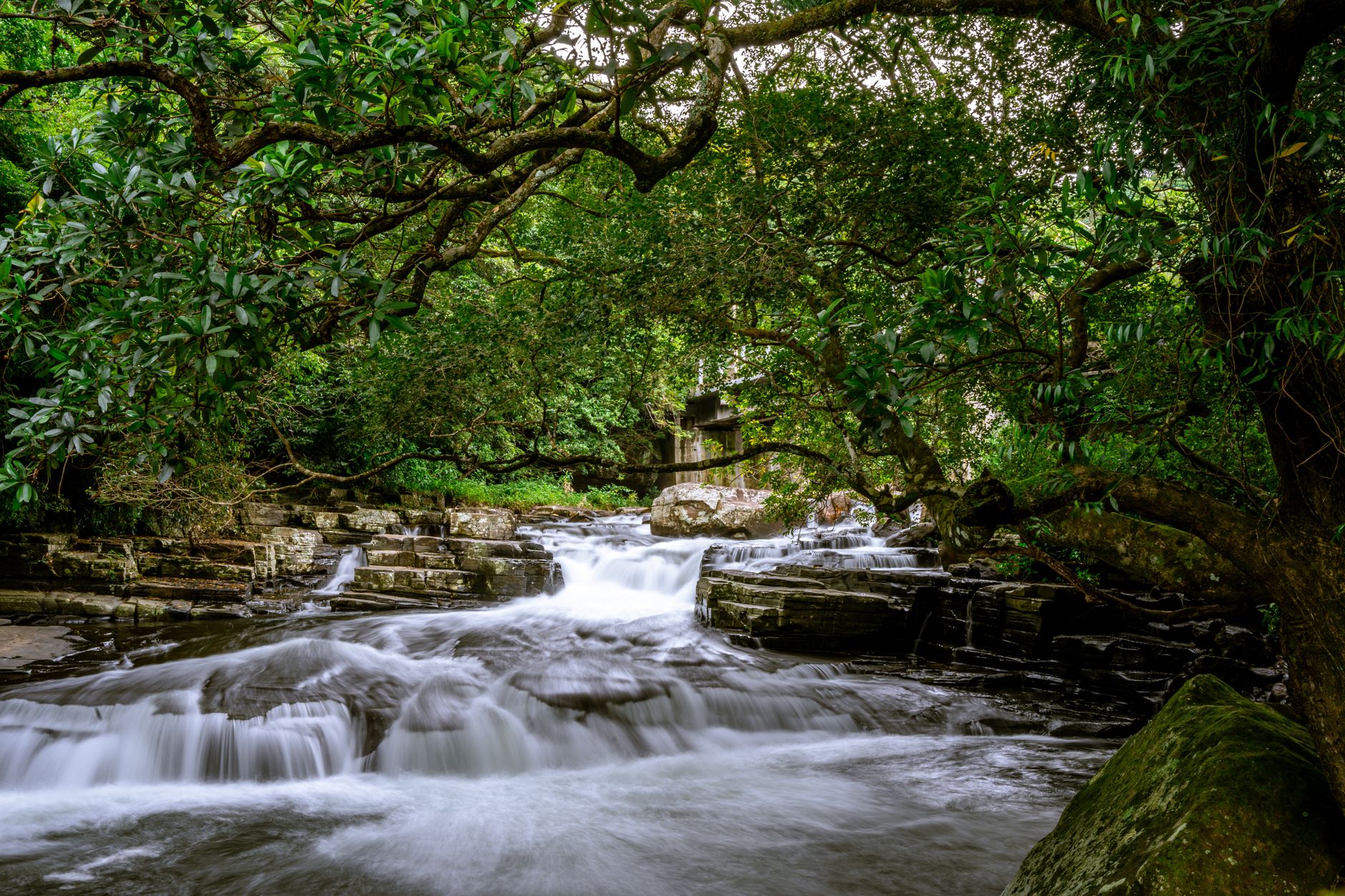
Kitulgala is genuinely worth visiting if you want white-water rafting, peaceful riverside stays, and cooler mountain air away from the crowds—but only if you're comfortable with a small, quiet village with minimal facilities and a frontier feel that doesn't suit everyone.
What makes Kitulgala different?
Unlike Sri Lanka's better-known stops, Kitulgala doesn't offer grand temples, wildlife parks, or developed town infrastructure. Instead, it's a working village tucked into the Central Highlands' wet zone, where the Kelani River cuts through dense jungle and mist clings to hillsides most afternoons. The main draw is white-water rafting, which operates year-round but is most exciting during the monsoon rains (May to September). Beyond that, you'll find quiet riverside walks, bird-watching opportunities, and the kind of silence that comes from being genuinely off the tourist circuit.
The village itself is functional rather than charming—a cluster of modest shops, a few small restaurants, and accommodation ranging from basic to comfortable. This rawness is precisely what attracts some visitors and deters others. There's no town square, no evening promenade, no glittering hotel strip. What there is, instead, is authenticity and a slower rhythm that feels a world away from Colombo or Kandy, even though it's only two to three hours from either.
Related: Train from Kandy to Ella: Route, Schedule & What to Expect
Related: Is Anuradhapura Worth Visiting? An Honest Take
Related: Polonnaruwa for Solo Travellers: Safety and Practical Tips
Who should visit Kitulgala?
White-water rafting enthusiasts belong here, especially if you're coming during or just after the monsoon when water levels peak and rapids intensify. Birdwatchers find genuine value in the riverside forest habitat, which supports species like black eagle, orange-billed babbler, and endemic endemics. Budget-conscious travellers appreciate affordable accommodation and meals. Solo travellers and small groups often enjoy the peaceful atmosphere and ease of arranging activities through guesthouses.
Families with older children (aged 10+) considering rafting should note that operators have varying safety standards; ask your accommodation for trusted recommendations rather than accepting touts at the village entrance. Couples seeking romantic retreats will find the setting atmospheric if they're not expecting five-star comfort—mist-draped hills and river sounds create mood, but electricity can be erratic and WiFi spotty in some lodges.
Who might regret visiting
If you want museums, temples, cultural monuments, or significant archaeological sites, Kitulgala offers nothing. There's no structured tourism infrastructure, evening entertainment, or variety in dining—you'll eat rice and curry, kottu roti, and simple fish curries; don't expect cosmopolitan restaurants. Travellers who need reliable electricity, consistent hot water, or high-speed internet should stay elsewhere or choose upmarket options carefully. Those uncomfortable with insects, muddy tracks during rainy seasons, or the possibility of leeches shouldn't venture into the surrounding rainforest.
Honest comparison: Kitulgala versus nearby alternatives
If you're trying to decide between Kitulgala and other Central Highland destinations, consider this: Ella offers better hiking, more cafés, and a more established traveller community—visit Ella if you want landscape walks and a lively evening scene. Kandy provides cultural richness, the famous lake, and the Temple of the Tooth—go there if you're seeking heritage and history. Nuwara Eliya feels like a colonial hill station with walking trails and cooler air but more commercial development. Kitulgala, by contrast, is the choice for adventure-focused travellers willing to sacrifice comfort and variety for genuine river activities and isolation.
The Ella guide and best time to visit Ella pages offer more on that alternative if you're weighing options.
Where to stay and what to expect
Accommodation in Kitulgala ranges from budget to mid-range, and your choice shapes your experience. The Tea Cottage Resort & Spa sits on the quieter southern edge with a 8.2 rating and appeals to those wanting a genuine retreat; it's affordable and peaceful but basic. For something more developed, Grand Argyle Resort scores 9.1 and offers better facilities whilst remaining village-scale. Nearby in the foothills, The Farm Resorts (8.6 rating) and Harrington Heritage (9.2 rating) provide countryside stays with views and slightly more amenities, though they're a short drive from the village itself.
The Argyle Luxury Boutique stands alone at 5-star (9.4 rating) and genuinely does offer comfort, but even luxury here means a small boutique property, not a sprawling resort—it's the exception, not the rule. Most lodges are modest; read recent reviews carefully and ask about electricity, water pressure, and WiFi before booking if these matter to you.
The practical reality
Rafting operators are the dominant business, and most guesthouses arrange trips—expect to pay roughly 3,000–4,500 LKR per person for a few hours on the river, depending on group size and guide quality. Always confirm what's included: safety gear, guide experience, transport to the put-in point, and whether the company has recent insurance and good reviews. The village has a small supermarket, but don't expect fresh supplies beyond the day's market—if you have specific dietary needs, bring provisions from Colombo or a larger town.
Best months to visit are September to November and February to April, when rainfall is moderate and water levels are manageable but still fun. May to August brings genuine adventure and lush jungle colour but also heavy rain, muddy roads, and occasional flooding; this suits experienced adventurers but not casual tourists. December to January can feel quieter and drier, though water levels may be lower.
The honest verdict
Kitulgala is worth visiting if you're genuinely after white-water rafting, an off-the-beat village experience, or a quiet riverside base for a few days—and you're comfortable with basic facilities and minimal nightlife. It's not worth a long journey if you're collecting cultural sites, seeking comfort, or expecting a developed town. Most travellers who enjoy it spend two or three nights, raft once or twice, explore the immediate surroundings, and move on satisfied. Those seeking a comfortable, curated experience often wish they'd headed to Ella or Kandy instead.
Think of Kitulgala as an interlude, not a destination—a chance to step out of the tourist circuit, engage with an activity, and experience a quieter side of the Central Highlands. If that appeals, go. If it doesn't, your time and money will be better spent elsewhere.
For wider context on the Central Highlands region, explore our guides to Ella and nearby accommodation options to compare what suits your travel style.
FAQ
Is white-water rafting in Kitulgala safe? Yes, with caveats. Reputable operators use proper safety equipment and trained guides. Always book through your guesthouse rather than street touts, check recent reviews online, and ask about the guide's experience and the company's insurance. Avoid operators who seem dismissive of safety gear or offer unusually cheap prices.
Can you visit Kitulgala without doing rafting? Absolutely, though it limits your activities. Riverside walks, bird-watching, and simply sitting in the quiet are valid reasons to visit. However, if you're not interested in rafting or nature-focused activities, you may find the village boring after a day.
What's the best time to visit Kitulgala? September to November and February to April offer moderate rainfall, manageable river levels, and lush scenery. May to August brings heavier rain and more challenging rapids—thrilling for experienced rafters but muddy and unpredictable for casual visitors. December to January is drier but can be quieter and the river less exciting.
How far is Kitulgala from Colombo and Kandy? About two hours from Colombo and two to three hours from Kandy by car, depending on traffic and road conditions. It makes a reasonable stop on a longer highlands journey but isn't typically a destination in its own right.